

People who walk more or walk faster live longer, study finds

For sleep apnea, a dental device may be as effective as CPAP

Rosacea treatments: What works?

Carb cycling: What is it, and does it work?

Understanding orthorexia: Have your healthy eating goals gone too far?

Salmonella, E. coli, Cyclospora, and other germs that cause food poisoning: What you need to know

Melatonin or magnesium: Can either supplement help you sleep?

Naturally gluten-free foods

Shingrix shingles vaccine linked with lower heart disease risks

Harvard study: Healthier fats linked to longer life after prostate cancer diagnosis
Harvard Health Blog
Read posts from experts at Harvard Health Publishing covering a variety of health topics and perspectives on medical news.
Articles




Cannabidiol (CBD): What we know and what we don't
Cannabidiol (CBD) is an active ingredient in cannabis that is derived from the hemp plant, but it does not cause a high and is not addictive. CBD has been shown to be effective in treating conditions like pain, insomnia, and anxiety.


Safe driving protects your brain
Of course, observing safe driving habits is a common-sense practice that can help you avoid injury, but these driving guidelines can help protect your brain as well.


Heat related illness: How to keep your cool
Prolonged periods of hot and humid weather increase the chance of a heat related illness, and you are at higher risk if you are older or spend time exerting yourself outdoors. Take precautions and be sure to hydrate wisely.








Adolescence: A high-risk time for substance use disorders
The prefrontal cortex does not fully develop until the mid-20s, which makes teenagers’ brains excellent at learning and absorbing new information, but it also makes them vulnerable to experimentation and the potential for substance use disorders.




Can cell phone use cause ADHD?
Researchers found that teenagers who engaged in high-frequency use of various digital media activities were more likely to have symptoms of ADHD. While this is not conclusive, it raises questions about whether too much smartphone use can affect teens’ development and behavior.

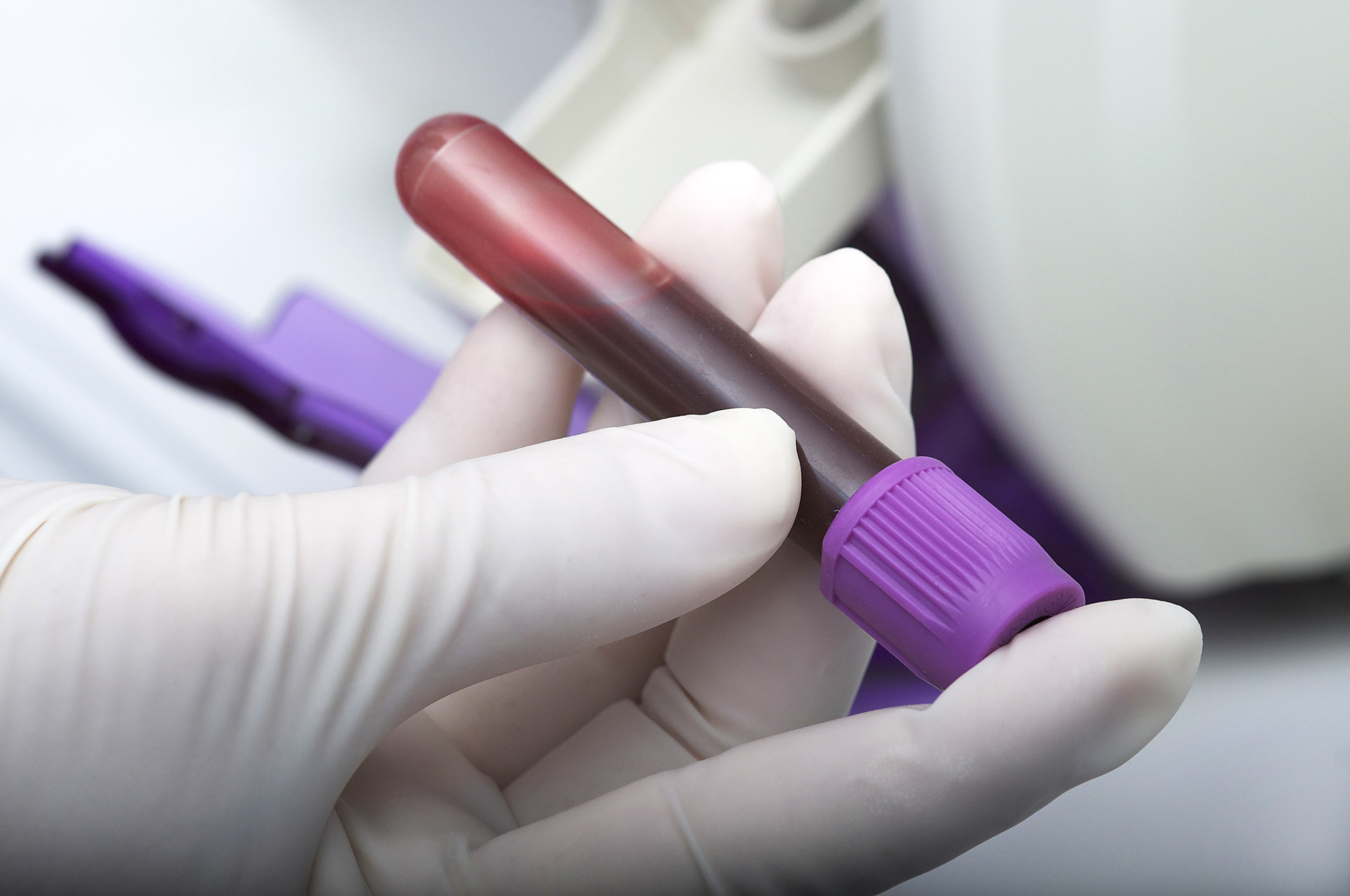
New blood test guides researchers toward the best treatment for aggressive prostate cancer
Tumors that spread, or metastasize, in the body shed cells into blood that doctors can scrutinize for insights into what a patient’s cancer might do. Analyzing these so-called circulating tumor cells (CTCs) isn’t part of routine care yet, in part because they’re so hard to pick out of the millions of normal cells in a […]
People who walk more or walk faster live longer, study finds
For sleep apnea, a dental device may be as effective as CPAP
Rosacea treatments: What works?
Carb cycling: What is it, and does it work?
Understanding orthorexia: Have your healthy eating goals gone too far?
Salmonella, E. coli, Cyclospora, and other germs that cause food poisoning: What you need to know
Melatonin or magnesium: Can either supplement help you sleep?
Naturally gluten-free foods
Shingrix shingles vaccine linked with lower heart disease risks
Harvard study: Healthier fats linked to longer life after prostate cancer diagnosis
Free Healthbeat Signup
Get the latest in health news delivered to your inbox!
Sign Up
