Naturally gluten-free foods
The choices are many, and there's no "certified gluten-free" label needed.
- Reviewed by Alison Kane, RDN, LDN, Contributor
From crackers to cake mixes, the average supermarket stocks anywhere from 1,500 to 3,000 food products carrying a “certified gluten-free” seal. It’s a huge help for the millions of people who need or choose to avoid gluten. But packaged gluten-free products are only part of the picture, says Alison Kane, a dietitian at Harvard-affiliated Massachusetts General Hospital. “You don’t have to jump right to the gluten-free aisle,” she notes. “Many whole foods are naturally gluten-free, and you can build lots of great meals around them.”
There are many reasons people seek out safe gluten-free foods. Many are living with celiac disease — a chronic autoimmune disorder triggered by eating gluten, a protein found in wheat, barley, and rye. Others may have gluten intolerance or allergies to wheat or other cereal grains. “People who live with irritable bowel syndrome or other digestive issues might feel that eating gluten makes their symptoms worse,” Kane adds. For individuals with celiac disease or these other conditions, “gluten-free” labels are a practical, sometimes lifesaving, tool.
But packaged gluten-free diet foods come with trade-offs. Many are highly processed and made with refined starches rather than whole grains, so they often lack nutrients found in their gluten-containing counterparts — particularly fiber, iron, and B vitamins like folate, thiamine, and niacin (which are added to enriched wheat flour by law but not required in gluten-free flour blends). Cost is another barrier: gluten-free products tend to cost significantly more than their gluten-containing counterparts.
What are naturally gluten-free foods?
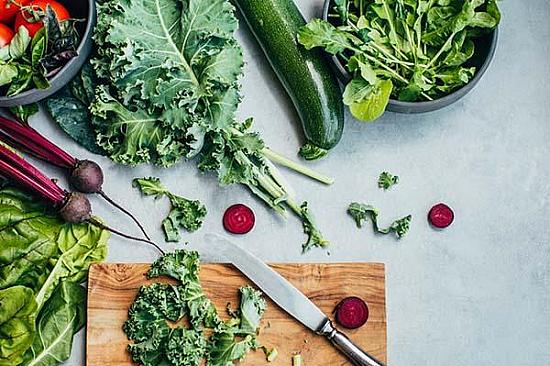
Luckily, there’s a wide range of everyday foods that are naturally gluten-free. These include
- fruits
- vegetables
- meat and poultry
- fish and seafood
- beans and legumes
- nuts and seeds.
Are dairy foods naturally gluten-free?
Most unprocessed or minimally processed dairy foods, like milk and natural cheese, are also naturally gluten-free. But some yogurt, sour cream, cottage cheese, and reduced-fat dairy products may have added thickeners or other ingredients that could contain gluten. Read labels carefully and choose brands marked “gluten-free” if possible.
Dairy-free alternatives like rice, soy, or nut milks and creamers are often gluten-free, but always check labels first: some contain texturizers and flavorings that can introduce gluten. And although oats don’t contain gluten, they may pick it up through cross-contamination from other grains in their farming and processing — so for oat milk, choose only brands with a “gluten-free” label.
Naturally gluten-free grains and starches
Grains and starches — and the foods made from them — are a bigger challenge. You can fill this gap with naturally gluten-free options like these:
- rice (brown, wild, or white)
- corn and cornmeal
- quinoa
- buckwheat
- millet
- oats (if labeled “gluten-free”).
Add gluten-free starches to your list of gluten-free pantry staples, too. They’re helpful ingredients in gluten-free baking, and they can add texture to sauces and gravies — or create a light, crispy coating for fried or baked foods. Versatile gluten-free starches include
- tapioca
- cornstarch
- arrowroot
- potato starch.
Tips for building balanced gluten-free meals
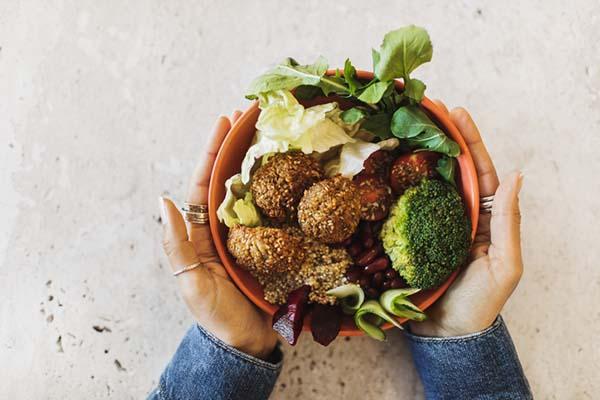
To visualize the proportions of a healthy gluten-free meal, Kane says, picture a dinner plate. Cover half of the plate with nonstarchy vegetables, such as leafy greens or broccoli. Then divide the remaining half to make two quarters, filling one quarter with a lean protein like chicken, fish, beans, or tofu, and the other quarter with a gluten-free grain or starchy vegetable — say, brown rice or sweet potato.
Here are some more tips for making the most of naturally gluten-free foods:
Swap rather than substitute. Before reaching for gluten-free bread, pasta, cereal, or crackers — admittedly convenient — think about whole-food stand-ins that fill the same bill. For example, instead of snacking on cheese and crackers, says Kane, “have an apple with a piece of cheese, or a handful of almonds and some grapes.” Or use cooked collard leaves or lettuce in place of grain-based tortillas or wraps.
Cook a “base” grain once, eat all week. Make a batch of a gluten-free grain like quinoa, brown rice, or millet at the start of the week. Then on busy weeknights, you can add vegetables and a protein to build a quick grain bowl, toss the grain into soup, or serve it alongside a stir-fry.
Reimagine breakfast. Instead of reaching for gluten-free cereal or toast, try plain yogurt topped with fruit and nuts, a vegetable-and-cheese omelet, or overnight oats made with certified gluten-free oats. These options are naturally gluten-free and typically higher in protein than packaged cereals.
Have a naturally gluten-free snacks drawer. Stock the pantry and fridge with grab-and-go options like roasted chickpeas, hard-boiled eggs, hummus with vegetable sticks, or bananas and nut butter, so you're not tempted to default to processed gluten-free snacks when hunger strikes.
Get creative with produce as your starch. Vegetables like sweet potatoes, winter squash, and corn can stand in for grain-based sides. A baked sweet potato or a bowl of roasted squash can anchor a meal just as well as pasta or bread would. “Use a slice of cooked sweet or regular potato as the base for avocado 'toast,’” suggests Kane. You can roast the slices in your toaster oven with a drizzle of olive oil.
With a well-stocked pantry and a few go-to staples on hand, eating naturally gluten-free soon becomes second nature, says Kane. “It’s a lot easier than most people think.”
Image: © Oleg Breslavtsev/Getty Images
About the Author

Joyce Hendley, Staff Writer
About the Reviewer

Alison Kane, RDN, LDN, Contributor
Disclaimer:
As a service to our readers, Harvard Health Publishing provides access to our library of archived content. Please note the date of last review or update on all articles.
No content on this site, regardless of date, should ever be used as a substitute for direct medical advice from your doctor or other qualified clinician.