Ministrokes linked to elevated risk of dementia
News briefs
- Reviewed by Robert H. Shmerling, MD, Senior Faculty Editor, Harvard Health Publishing; Editorial Advisory Board Member, Harvard Health Publishing
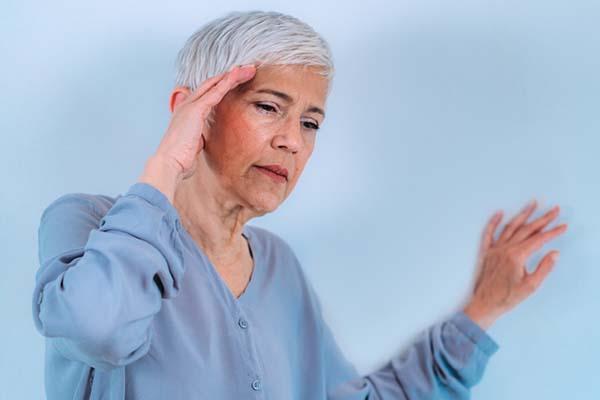
Having a stroke increases the risk of dementia — and the more severe the stroke, the higher the risk. A new study finds that even a ministroke (known as a transient ischemic attack or TIA) is linked to an increased risk of dementia.
During both a stroke and a TIA, blood supply to part of the brain is markedly restricted or completely blocked, which can cause a variety of symptoms, including difficulty talking and numbness, weakness, or paralysis in the face, arm, or leg. But with a TIA, the blockage and symptoms are temporary, usually lasting just a few minutes, and without causing detectable damage to brain tissue.
The study, published in the Oct. 27, 2026, issue of Neurology, included 113,081 people (average age of 70) who had a first TIA but no prior history of dementia. Researchers then matched them to similar people (based on age, sex, and health factors such as diabetes and blood pressure) with no history of stroke or dementia. They also separately matched them to similar people who had a first stroke.
During the follow-up, which lasted an average of seven years, 19% of people who had a TIA were diagnosed with dementia, compared to 20% of people who had a stroke. Among those without a stroke or TIA, 15% received a dementia diagnosis. A TIA is known to raise the risk of stroke, but people with a TIA were 2.5 times more likely to develop dementia than to have a stroke.
The findings are a reminder to take a TIA seriously, even though the symptoms are transient. Focus on getting regular exercise and choosing a plant-forward diet (such as the MIND diet or Mediterranean diet) that may help reduce the risk of dementia and cardiovascular disease.
Image: © microgen/Getty Images
About the Author

Julie Corliss, Executive Editor, Harvard Heart Letter
About the Reviewer

Robert H. Shmerling, MD, Senior Faculty Editor, Harvard Health Publishing; Editorial Advisory Board Member, Harvard Health Publishing
Disclaimer:
As a service to our readers, Harvard Health Publishing provides access to our library of archived content. Please note the date of last review or update on all articles.
No content on this site, regardless of date, should ever be used as a substitute for direct medical advice from your doctor or other qualified clinician.