CoQ10: Should you take this popular supplement if you're on a statin?
Many people believe CoQ10 supplements prevent muscle symptoms while taking statins, but the evidence to support that claim is weak.
- Reviewed by Pieter Cohen, MD, Contributor
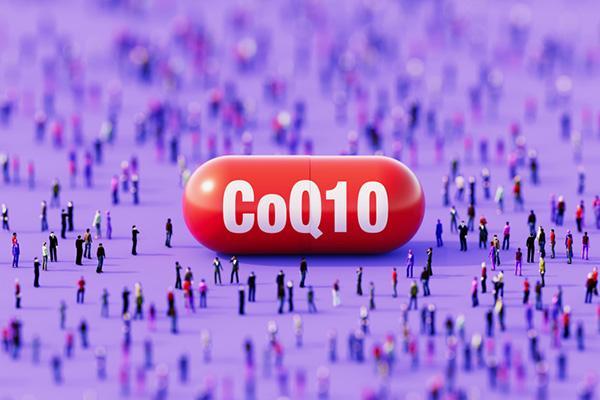
Contrary to popular belief, there is no reliable proof that CoQ10 supplements can prevent or treat the muscle aches and pains that people sometime report while taking cholesterol-lowering statin drugs. Both the American Heart Association and the American College of Cardiology recommend against the routine use of CoQ10 for statin-associated muscle symptoms (SAMS).
“About a quarter of the 1,200 people in my practice take statins, and I don’t recommend CoQ10 to any of them, including those who experience statin-related muscles aches,” says Dr. Pieter Cohen, an internist at Harvard-affiliated Cambridge Health Alliance who studies dietary supplements. While SAMS are a problem for some people taking statins, the true incidence is unclear — and side effects directly related to statin use are often exaggerated on social media. Muscle aches are quite common in older people and have many possible causes, he says. For that reason, high-quality studies that compare CoQ10 to a placebo in people with SAMS can be challenging to carry out, which means the conclusions are hard to fully trust. While some suggest a potential benefit, others do not, says Dr. Cohen, who is also an associate professor of medicine at Harvard Medical School.
What is CoQ10 and what does it do?
Coenzyme Q10 (CoQ10) is a vitamin-like substance synthesized inside the energy-producing centers (mitochondria) of nearly all cells in the body. The enzyme is also found in meats, nuts, fish, and other foods — and in capsules, chewable tablets, and liquid syrups sold as dietary supplements. CoQ10 is vital for fueling energy production within muscles and also acts as an antioxidant that helps protect cells against damage.
Can CoQ10 help with statin-related muscle pain?
Statins work by slowing the production of a substance called mevalonic acid that the liver uses to make cholesterol. But the body also uses mevalonic acid to make CoQ10, which means that lower CoQ10 levels could be an unintended consequence of taking statins. Taking CoQ10 supplements regularly can boost levels in the blood. However, it’s unclear if that reflects the amount in muscle tissue.
Some physicians — including cardiologists who treat patients in lipid clinics — recommend CoQ10 for people with SAMs. The rationale? Although unproven, CoQ10 supplements are considered generally safe and have few side effects, says Dr. Cohen. “One reason people show up in lipid clinics is because they can’t tolerate statins. A doctor may be tempted to suggest CoQ10 to see if it helps, even if it’s just providing a placebo effect,” he adds. However, there are clues that can suggest when a statin is actually responsible for SAMS — and other ways to address the problem (see “How to tell if your muscle aches are statin-related — and what to do about it”)
What side effects and drug interactions are associated with CoQ10?
Minor and infrequent side effects of CoQ10 supplements include stomach upset, nausea, and vomiting. People taking the blood thinner warfarin should not take CoQ10 because of possible interactions. And because the FDA doesn’t regulate dietary supplements, there’s no guarantee of the amount and purity of the active ingredient in these products, Dr. Cohen adds.
How to tell if your muscle aches are statin-related — and what to do about itAbout one in 10 people report muscle aches, soreness, or weakness while taking a statin. How can you tell if a statin is responsible? It may be causing the problem if the ache or pain is
To confirm the statin is to blame, stop the drug for one to two months (with your doctor’s permission), then resume taking it. If your symptoms recede and then recur, you have several options to discuss with your doctor, including taking a lower statin dose, taking it less often, or trying a different statin. In addition, a number of non-statin medications can lower LDL cholesterol, such as ezetimibe (Zetia) and bempedoic acid (Nexletol). |
Image: © MicroStockHub/Getty Images
About the Author

Julie Corliss, Executive Editor, Harvard Heart Letter
About the Reviewer

Pieter Cohen, MD, Contributor
Disclaimer:
As a service to our readers, Harvard Health Publishing provides access to our library of archived content. Please note the date of last review or update on all articles.
No content on this site, regardless of date, should ever be used as a substitute for direct medical advice from your doctor or other qualified clinician.