Signs of pneumonia: Sometimes vague and unexpected
Pneumonia doesn't always begin with a dramatic cough or high fever. Learn the quieter signs of pneumonia that may signal an infection.
- Reviewed by Gerald Weinhouse, MD, Contributor
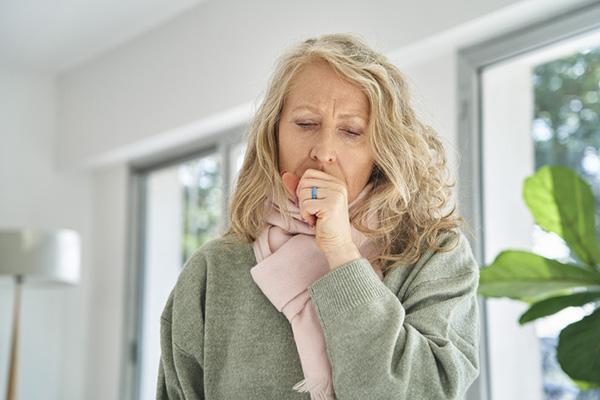
You thought you had a run-of-the-mill cold, but suddenly you feel much sicker — one of the many signs of pneumonia that begins with a whimper instead of a bang.
Many people expect pneumonia to trigger a high fever and severe cough from the get-go. But the lung infection — which kills 50,000 American adults annually — sometimes shows up more quietly, making diagnosis difficult.
Recognizing early signs of pneumonia, however, can help you seek treatment before the condition becomes more serious and more likely to cause complications, says Dr. Gerald Weinhouse, clinical director of ambulatory services for the Division of Pulmonary and Critical Care of Harvard-affiliated Mass General Brigham.
What are the classic signs of pneumonia?
Many infectious agents can cause pneumonia. Common culprits include such bacteria as Mycoplasma pneumoniae and Streptococcus pneumoniae, as well as respiratory viruses. That means pneumonia encompasses several different illnesses with varying symptoms.
Unlike its milder cousin, walking pneumonia, “classic” pneumonia often makes people feel sick enough that they need some bed rest. Pneumonia symptoms people may experience include
- cough (dry or productive)
- fever and chills
- chest pain that worsens when breathing in
- shortness of breath
- fatigue.
Of all those signs, cough is paramount. “Some people don’t have much of a fever, but cough is pretty darn close to universal,” says Dr. Weinhouse, who is also medical director of Respiratory Care Services at Brigham and Women’s Hospital and Dana-Farber Cancer Institute.
Less-recognized pneumonia symptoms
But these aren’t the only ways pneumonia can reveal itself. Early signs of pneumonia that may be easy to overlook include
- unusual exhaustion
- shortness of breath that’s out of proportion to what you’re doing
- confusion or sudden mental changes, including excessive sleepiness
- nausea or loss of appetite
- mild fever — or no fever at all
- sweating, chills, or simply feeling awful
- rapid breathing or fast heart rate.
“A severe infection can also lower your blood pressure, and certain types of pneumonia can cause diarrhea,” Dr. Weinhouse says. “So it’s not always just about the lungs. Fatigue and exhaustion may creep up on you first and can be profound, even before some of the respiratory symptoms.”
How can pneumonia symptoms differ in older adults?
Some people are more prone to developing a worse case of pneumonia. That’s especially true for older adults, smokers, and people with chronic health problems, including lung conditions, heart disease, diabetes, or impaired immune function.
Early pneumonia symptoms in older adults might include delirium, a sudden state of confusion and disorientation. People 65 and up are more likely than younger people to die of the infection. They’re also more apt to contract hospital-acquired pneumonia, which is especially lethal — though “largely because the person was already sick and weakened to begin with,” Dr. Weinhouse says.
“Pneumonia can be very different from one person to the next simply because of the vulnerability that’s unique to them — whether it’s their immune system, age, or existing conditions, or because of which type of infection they pick up,” he says.
When do pneumonia symptoms require immediate care?
According to Dr. Weinhouse, it’s crucial not to delay medical care if you have
- a cough that has lasted more than several days and is getting worse
- chest pain with breathing
- difficulty catching your breath
- signs that return after initially improving.
An x-ray is the main way doctors diagnose pneumonia, he says. But some early cases don’t show up on imaging. If an x-ray isn’t definitive but doctors still strongly suspect pneumonia, they might order a CT scan. “If someone is frail, we may want to do that to make sure it’s pneumonia and not another condition,” Dr. Weinhouse adds.
Pneumonia treatment typically involves antibiotics or antiviral medications, as well as rest, fluids, and other supportive measures. Older adults and people who need hospital care often require a combination of antibiotics, he says.
Can you prevent pneumonia?People who have had pneumonia before often ask Harvard pulmonologist Dr. Gerald Weinhouse how they can avoid a repeat infection. “Sometimes you can’t,” he says. “I would never tell a grandparent, for example, not to hug their grandchild, but if the child has a respiratory infection, that is one way to get sick.” Certain common-sense tactics, however, can help protect you:
|
Image: © PhotoAlto/Frederic Cirou/Getty Images
About the Author

Maureen Salamon, Executive Editor, Harvard Women's Health Watch
About the Reviewer

Gerald Weinhouse, MD, Contributor
Disclaimer:
As a service to our readers, Harvard Health Publishing provides access to our library of archived content. Please note the date of last review or update on all articles.
No content on this site, regardless of date, should ever be used as a substitute for direct medical advice from your doctor or other qualified clinician.