








Hip bursitis vs. arthritis: How to tell the difference
Arthritis and bursitis are both tied to painful inflammation, but the two conditions affect different parts of the hip.
- Reviewed by Ashwin N. Babu, MD, Contributor
|
Summary Hip arthritis and hip bursitis can both cause pain and make it harder to do certain activities. But they affect different parts of the hip, have different causes, and may need to be managed in different ways. |
Hip bursitis and hip arthritis are common causes of hip pain and stiffness. It can be tough to tell which you may be dealing with based on symptoms alone, since the conditions can feel similar. “These two get confused all the time. But they are different, and they require slightly different treatment programs, so it’s important to get the diagnosis correct,” says Dr. Ashwin Babu, a sports medicine physiatrist at Harvard-affiliated Massachusetts General Hospital.
Here’s more information about these two hip issues, how to tell them apart, and how to manage them.
What is hip bursitis?
Hip bursitis occurs when a bursa in your hip joint becomes irritated and inflamed. Bursae are small, fluid-filled sacs that help tissues glide smoothly past one other. The hip has several bursae, and the one on the outside of the hip — alongside a part of the thighbone known as the greater trochanter — is most often affected. This type of hip bursitis is sometimes called trochanteric bursitis.
The tendons that connect muscle to bone near the outside of your hip can also become inflamed or irritated, causing pain. This is a slightly different problem called hip tendinitis. It often gets confused with hip bursitis.
What is hip arthritis?
Hip osteoarthritis — the most common cause of hip arthritis — occurs when the joint’s protective cartilage starts to break down. Cartilage covers bones where they meet at moveable joints. It plays important roles in joint health and function. For example, cartilage is normally smooth, allowing the joint to move easily; it also provides stability and serves as a sort of shock absorber. When it breaks down, the resulting friction can cause inflammation and discomfort that makes it harder to move your hip.
Osteoarthritis is different from other types of arthritis, such as rheumatoid arthritis. The latter is a chronic condition in which the immune system mistakenly attacks the joints. It can affect the hips and other joints such as the knuckles, wrists, elbows, knees, and ankles,; as well as other parts of the body such as the lungs and eyes.
How are hip bursitis and arthritis different?
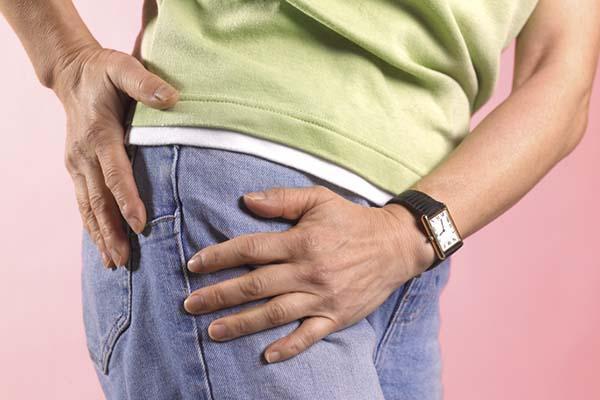
Hip bursitis and hip arthritis affect different parts of the hip. Hip bursitis occurs in a bursa, usually on the outside of the hip. Hip arthritis occurs in the hip joint, which is located deeper in the hip, near the groin.
Another big difference: the inflammation from hip bursitis may improve quickly with treatment or even just rest. Once this happens, the bursa can go back to functioning normally. But hip osteoarthritis is a chronic, degenerative condition. Once cartilage in the hip joint has worn away, it doesn’t come back. While there are many ways to manage joint pain in the hip caused by osteoarthritis, the condition tends to stay the same or worsen over time.
Where is the pain felt in hip bursitis vs. arthritis?
Hip bursitis pain often affects the outside of the hip. You might notice it the most when you’re lying on your side. Hip arthritis pain typically occurs deep within the hip, closer to the groin. You may feel this kind of hip pain when walking, climbing stairs, or doing other daily activities.
Even with these differences, it can sometimes be hard to tell the two conditions apart. Pain from bursitis and arthritis can spread, making it hard to figure out where the problem is starting. “Bursitis pain that starts on the outside can wrap forward or backward. And a pain that’s deep in the groin from arthritis can radiate outside. They can overlap quite a bit,” says Dr. Babu.
It’s also possible to have hip bursitis and hip arthritis at the same time. In that case, you might feel pain throughout your entire hip area.
What causes hip bursitis and hip arthritis?
Hip bursitis and hip osteoarthritis have different causes. The former happens when the hip bursa becomes inflamed. The latter happens when the cartilage in the hip joint wears away.
Injuries are a common cause of hip bursitis. Falling or bumping your hip, for instance, can make your hip bursa inflamed. Repetitive motions that put stress on your hips are another culprit. These can be things like running, bicycling, or carrying heavy loads for work. While there are many risk factors for hip bursitis, it often has no single identifiable cause.
Hip osteoarthritis is the result of progressive degeneration of the cartilage of the hip joint. Common risk factors include genetic predisposition, aging, hip injury, and having overweight or obesity.
How do doctors diagnose hip pain?
Your doctor can often determine whether the cause of your hip pain is hip bursitis or hip osteoarthritis based on symptoms, physical exam, and, sometimes, imaging tests. The physical exam is particularly helpful: your doctor will press on the side of the hip area to check for tenderness and move your hip in different directions to see if the range of motion is limited.
Depending on your symptoms and results of your physical exam, your doctor might order an x-ray or MRI.
How is hip bursitis treated?
Hip bursitis treatment depends on the severity of your symptoms. Mild bursitis can often be managed by avoiding activities that worsen pain, rest, and anti-inflammatory medications like ibuprofen (Advil, Motrin). Physical therapy to strengthen your hip and surrounding muscles is key to improving symptoms, too.
Your doctor may recommend a corticosteroid injection if you need more relief. Injections can reduce pain and inflammation in your hip, although they carry some risks. If your pain persists, another visit to your doctor may be warranted. Rarely, surgery may be recommended, especially if another condition (such as a torn tendon) is diagnosed.
How is hip arthritis treated?
Hip arthritis can be treated in different ways depending on the specific type of arthritis and your symptoms. For osteoarthritis, lifestyle changes like avoiding activities that cause pain, losing weight if needed, and using heating pads are first steps. Your doctor may also recommend physical therapy, an anti-inflammatory medication (such as ibuprofen), or use of an assistive device like a cane.
Corticosteroid or other injections can help when other treatments aren’t doing enough. Injections for arthritis need to be given in a different part of the hip than injections for bursitis. That’s one reason why getting an accurate diagnosis of hip pain is so important.
For some people with severe symptoms due to hip osteoarthritis, hip replacement surgery may also be an option.
When should you see a doctor for hip pain?
Let your doctor know about mild hip pain that persists after resting and taking anti-inflammatory medications for about a week. Your doctor can then evaluate your symptoms, examine your hip, and, if needed, order imaging tests.
Seek medical attention quickly for severe or deep groin pain or pain that makes it difficult to stand or hop on the affected leg. These could be signs of a more serious condition, such as hip fracture.
Frequently asked questions
Does hip bursitis cause groin pain?
Hip bursitis pain usually starts on the outside of the hip. But it can wrap inward toward the groin. It’s also possible to have groin pain caused by another hip problem at the same time, like hip arthritis.
Does hip arthritis cause pain on the outside of the hip?
Hip arthritis pain usually starts deep in the groin. But it can radiate toward the outer part of the hip. It’s also possible to have pain on the outside of the hip from hip bursitis, which can happen at the same time as hip arthritis.
Does hip bursitis go away on its own?
Hip bursitis sometimes resolves with at-home measures. Rest and anti-inflammatory medications may improve mild symptoms within a few weeks. But putting new stress on your hip may cause the bursitis to flare back up. If your symptoms keep coming back, your doctor may recommend physical therapy or a corticosteroid injection.
Can hip arthritis be cured?
There’s no cure for hip osteoarthritis, which happens when the hip joint cartilage wears away. Modifying your activities, losing excess weight, taking anti-inflammatory medications, going to physical therapy, and (in some cases) getting periodic steroid injections can reduce your symptoms. Surgery such as a hip replacement will remove the areas of arthritis and may improve your quality of life if your symptoms are severe.
How do I know if my hip pain is from bursitis or arthritis?
It can be hard to tell based on symptoms alone. Plus, sometimes inner or outer hip pain can be caused by something other than bursitis or arthritis. For an accurate diagnosis, see your doctor. He or she can review your symptoms, conduct a physical exam and, if needed, order imaging tests to get to the root of the problem and recommend the right treatment.
Image: © Peter Dazeley/Getty Images
About the Author

Marygrace Taylor, Health Writer
About the Reviewer

Ashwin N. Babu, MD, Contributor
Disclaimer:
As a service to our readers, Harvard Health Publishing provides access to our library of archived content. Please note the date of last review or update on all articles.
No content on this site, regardless of date, should ever be used as a substitute for direct medical advice from your doctor or other qualified clinician.