

CoQ10: Should you take this popular supplement if you're on a statin?

Microplastics: A hidden health threat?

Oat vs. dairy milk: Nutrition, benefits, and downsides

What is tempeh? Benefits, nutrition, and how to use it

Healing after food poisoning

Children of centenarians may stay healthier and live longer too, study finds

Light exposure at night may raise risk for heart disease

Whole grains may improve several heart risk factors at once

A lumbar belt may help ease low back pain

Signs of pneumonia: Sometimes vague and unexpected
Pneumonia
- Reviewed by Megan A. Koster, MD, PharmD, Contributor; Editorial Advisory Board Member, Harvard Health Publishing
Pneumonia is an infection of the lungs that can make it hard for the oxygen you breathe to get into your bloodstream. Most cases of pneumonia are caused by bacteria or viruses, but pneumonia can also be caused by fungi.
The symptoms of pneumonia can range from mild to severe, and include cough, fever, chills, and trouble breathing. Many factors affect how serious a case of pneumonia is, including what caused the infection, the person's age, and their overall health. Pneumonia can usually be treated successfully with antibiotic, antiviral, or antifungal medications, although full recovery can take weeks.
About a million adults receive hospital care for pneumonia each year, and the lung infection causes around 50,000 deaths annually. The people at highest risk for severe illness are infants and young children, adults age 65 years or older, and those with weakened immune systems.
On this page you'll discover
What is pneumonia?
Pneumonia is an infection of one or both lungs that triggers inflammation and causes the air sacs (alveoli) of the lung to fill with pus or liquid. Symptoms include coughing, shortness of breath, and fever, and can be mild to life-threatening.
Pneumonia is contagious, and can spread when someone inhales droplets expelled into the air when an infected person coughs, sneezes, or even talks. Typically, a person with bacterial pneumonia is contagious for about 48 hours after starting antibiotic treatment. If you have viral pneumonia, speak to your doctor to understand how long to consider your pneumonia contagious.
What are pneumonia symptoms?
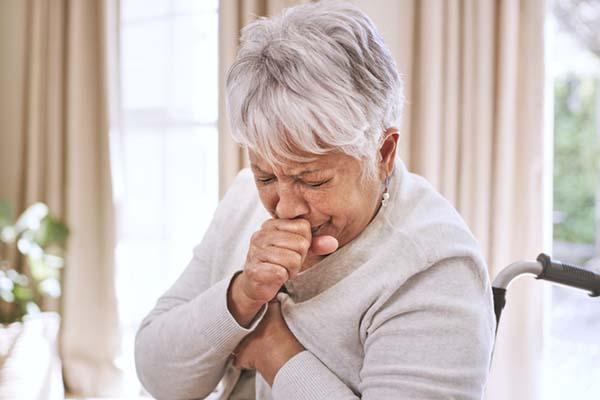
Early symptoms of pneumonia include headache, muscle pain, fever, fatigue, and dry cough. Within a few days, symptoms worsen. Coughing becomes more persistent.
As the disease progresses, shortness of breath, a high fever, and a cough with sputum (a mixture of saliva and mucus) can occur. People with viral pneumonia often have a dry cough without sputum.
Older adults can experience confusion and fatigue. People with severe pneumonia may develop a blue or purple tint of their lips or fingertips. Symptoms like these may indicate low oxygen levels (hypoxia) and should prompt urgent medical attention.
Other symptoms of pneumonia can include:
- pain in the chest
- diarrhea
- nausea and vomiting
- decreased urination
- lightheadedness.
Together with a medical history and physical examination, a chest x-ray and blood tests can confirm a diagnosis of pneumonia. Sputum or blood samples may be sent to a laboratory to help identify the type and cause of the pneumonia to ensure the appropriate treatment.
Are there different types of pneumonia?
There are several types of pneumonia. The condition can affect one or more lung lobes (lobar pneumonia), or alveoli and bronchi, the large air passages that connect the windpipe to the lungs (bronchial pneumonia).
Bacterial pneumonia is often caused by Streptococcus pneumoniae bacteria, but it can also be caused by many other bacteria. People with weakened immune systems, or who are ill, elderly, or have poor nutrition are at higher risk of developing this type of pneumonia.
Mycoplasma pneumonia is a milder type of bacterial pneumonia caused by Mycoplasma pneumoniae.
Viral pneumonia accounts for about a third of all pneumonia cases. It is caused by respiratory viruses, such as influenza (flu) virus.
Fungal pneumonia is caused by fungal spores. It ismost common in people with chronic health problems or weakened immune systems. The main types of fungi associated with pneumonia are coccidioidomycosis, histoplasmosis, and blastomycosis.
Aspiration pneumonia occurs when food and liquid is inhaled down the airway and into the lungs instead of being swallowed down the throat. It is more common in people who have a neurological condition that makes swallowing difficult, or who have had a stroke.
Walking pneumonia isnot an official medical term. It refers to a mild form of pneumonia in which symptoms allow for the continuation of everyday activities.
How do you treat pneumonia?
If a doctor suspects pneumonia, they will often prescribe antibiotics while waiting for lab tests to confirm the diagnosis.
Further treatment will depend on the cause of the infection:
- Bacterial pneumonia is treated with antibiotics. The antibiotic course typically lasts anywhere from five to 14 days. Most people see improvement two to three days after starting treatment.
- Viral pneumonia may be treated with supportive care or antiviral medications if they are available. Most cases clear up within one to three weeks.
- Pneumonia caused by fungi is treated with antifungal medications. Treatment can last several months.
In addition, over-the-counter medications are used to treat specific symptoms like cough, fever, and pain.
Home remedies can help manage symptoms. These include:
- rest
- drinking plenty of fluids
- cold compress for fever
- steam or a humidifier
- not smoking, and staying away from people who do.
Individuals with underlying health conditions such as heart disease or kidney disease may have a more difficult time recovering from pneumonia.
Pneumonia vaccine
Vaccination can help protect against the most common bacterial cause of pneumonia, Streptococcus pneumoniae. The vaccine is recommended for adults ages 65 years and older, and for younger adults who are at increased risk for pneumonia because of an underlying medical condition or who are undergoing certain medical treatments. Individuals at increased risk include those with:
- lung disease, including asthma
- heart disease
- liver disease
- kidney disease
- a cochlear implant
- a damaged spleen or no spleen
- certain types of cancer, or who are undergoing cancer treatment
- a weakened immune system.
Children younger than age 5 should receive the full pneumococcal vaccination series.
In addition, everyone should stay current with vaccines that prevent other infections that can lead to pneumonia. These include the influenza, respiratory syncytial virus (RSV), and COVID-19 vaccines.
CoQ10: Should you take this popular supplement if you're on a statin?
Microplastics: A hidden health threat?
Oat vs. dairy milk: Nutrition, benefits, and downsides
What is tempeh? Benefits, nutrition, and how to use it
Healing after food poisoning
Children of centenarians may stay healthier and live longer too, study finds
Light exposure at night may raise risk for heart disease
Whole grains may improve several heart risk factors at once
A lumbar belt may help ease low back pain
Signs of pneumonia: Sometimes vague and unexpected
Free Healthbeat Signup
Get the latest in health news delivered to your inbox!
Sign Up
