

Healing after food poisoning

What is tempeh? Benefits, nutrition, and how to use it

Light exposure at night may raise risk for heart disease

Whole grains may improve several heart risk factors at once

A lumbar belt may help ease low back pain

Children of centenarians may stay healthier and live longer too, study finds

Signs of pneumonia: Sometimes vague and unexpected

The surprising link between ovarian cancer and the fallopian tubes

Using a vibration plate: What it can — and can't — do for your body

People who walk more or walk faster live longer, study finds
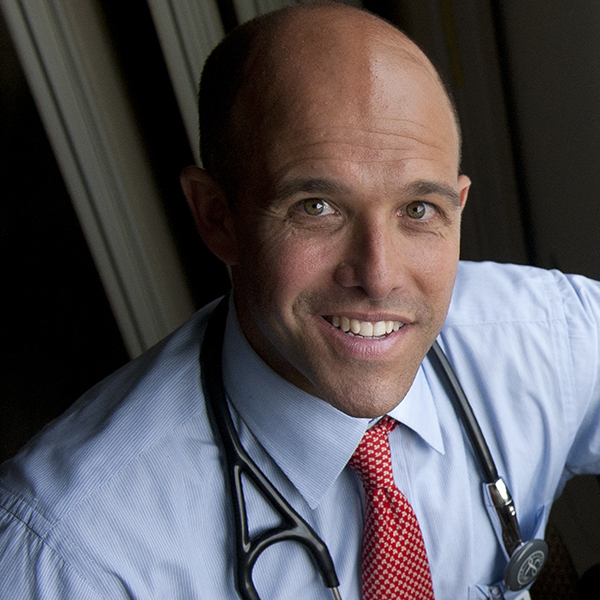
Pieter Cohen, MD
Contributor
Dr. Pieter Cohen, a graduate of Yale School of Medicine, is an associate professor of medicine at Harvard Medical School and an internist at Cambridge Health Alliance in Somerville, MA. Caring for his patients harmed by illicit weight loss pills led him to investigate the safety of dietary supplements. Science has described him as “something of a mix of Indiana Jones and Sherlock Holmes in the supplement world. With chemist colleagues in the United States, Brazil, and Europe, he hunts for drugs illegally buried in supplements.” His advocacy has led to the FDA banning multiple drugs and issuing dozens of warnings. He is currently working to reform the regulatory framework for dietary supplements in the US.
Healing after food poisoning
What is tempeh? Benefits, nutrition, and how to use it
Light exposure at night may raise risk for heart disease
Whole grains may improve several heart risk factors at once
A lumbar belt may help ease low back pain
Children of centenarians may stay healthier and live longer too, study finds
Signs of pneumonia: Sometimes vague and unexpected
The surprising link between ovarian cancer and the fallopian tubes
Using a vibration plate: What it can — and can't — do for your body
People who walk more or walk faster live longer, study finds

