










What factors speed up aging?
A surprising set of forces can prompt your body to grow older before its time.
- Reviewed by David A. Sinclair, AO, PhD, Contributor
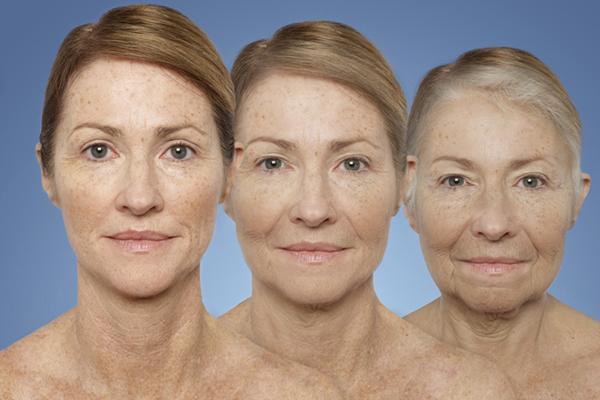
If we’re naming things that speed up looking and feeling older, factors such as sun exposure, stress, or smoking may come to mind. But here’s something you might not have considered: worrying about aging may actually leave its mark on the body in a similar way.
Anxiety about the aging process — especially fears about declining health — may lead to changes in how genes function, contributing to accelerated aging, according to a study involving 726 midlife women published in the February 2026 issue of Psychoneuroendocrinology. Women who felt more anxious about getting older tended to show faster epigenetic aging — meaning their bodies looked older at a cellular level, based on how their genes switched on and off.
This study and other such research are illuminating how our age is more than just the number of candles on our birthday cake. Chronological age, which dates from when we were born, is one form. But biological age describes how well our body is functioning, and it’s estimated using various measures such as physical fitness, blood pressure, and cholesterol levels.
As you might guess, genes factor in to the latter, accounting for up to 50% of how slowly or quickly we age, says David Sinclair, a professor of genetics and co-director of the Paul F. Glenn Center for the Biology of Aging Research at Harvard Medical School. But that means the other half is up to us.
“There’s a big difference between your birthdays and your biological age — and only the latter can be changed,” Sinclair says. “In the last decade, scientists have discovered that biological aging rates are malleable, and at least half of the rate depends on our lifestyle. The good news is that at least half our future health is in our own hands.”
What causes aging?
Sinclair’s research has aimed to reveal a universal driver of the aging process. Called the Information Theory of Aging, it boils down, he says, to how effectively bodies read their genes and shows “we are not machines — we are computers, and aging is due to the corruption of software.”
Some factors that speed aging — and visible signs of aging — are easy to identify, including
- ultraviolet (UV) light exposure, which damages DNA
- chronic stress, which fuels levels of cortisol, the “stress hormone” that ramps up inflammation
- poor sleep, which means less repair time for brain and body
- smoking, which causes DNA damage
- sedentary lifestyle, which leads to muscle loss
- obesity.
“There are two ways to age faster. One is being in abundance mode, which is anything that makes your body think times are really good, such as too much sitting or too much food,” Sinclair explains. “The other way is to damage your cells. With things like getting sunburned, we think it accelerates the biological aging process because cells cannot cope.”
Surprising contributors
Other forces that can more rapidly age us aren’t necessarily top of mind, such as
- more than occasional alcohol use
- excess radiation exposure
- air pollution and industrial pollutants
- shift work, which throws off key biological rhythms.
But the following aging catalysts might never have been on your radar.
Yo-yo dieting. While there’s no direct evidence, Sinclair says, research suggests that rapid changes to cells or their environment — as occur in the frequent cycles of weight gain and weight loss known as yo-yo dieting — could accelerate epigenetic changes. “Theoretically, any time there’s a large change to a cell, aging ticks a little faster,” he says.
Exposure to bright light or loud music. Both are linked to elevated stress hormones and even cardiovascular strain. “Bright light and loud music are underappreciated as a cause of sensory aging,” Sinclair says.
Loneliness and social isolation. Research suggests these confer comparable health risks to smoking. Interacting with family and friends is quite important for humans. We’re made to be social.
Gut health imbalance. The trillions of microbes that populate the gut, known as the microbiome, influence inflammation levels and immune system function. A healthy diet optimizes the microbiome, while highly processed foods can skew the balance between good and bad bacteria. “Inflammation in the body will accelerate aging, especially when it’s chronic,” Sinclair says.
How to slow down aging
What helps slow the clock and promote healthy aging? Sinclair says much research supports measures such as
- regular exercise
- consistent, high-quality sleep
- a plant-forward diet
- strong social connections
- a positive outlook and sense of purpose.
“If you compare people who do these things with those who don’t, there’s sometimes a decade of difference in their biological aging,” he says. “I believe small changes in lifestyle can make a big difference down the road. And it’s never too late to start, though it’s better to start early.”
Image: © Frank Schwere/Getty Images
About the Author

Maureen Salamon, Executive Editor, Harvard Women's Health Watch
About the Reviewer
David A. Sinclair, AO, PhD, Contributor
Disclaimer:
As a service to our readers, Harvard Health Publishing provides access to our library of archived content. Please note the date of last review or update on all articles.
No content on this site, regardless of date, should ever be used as a substitute for direct medical advice from your doctor or other qualified clinician.


