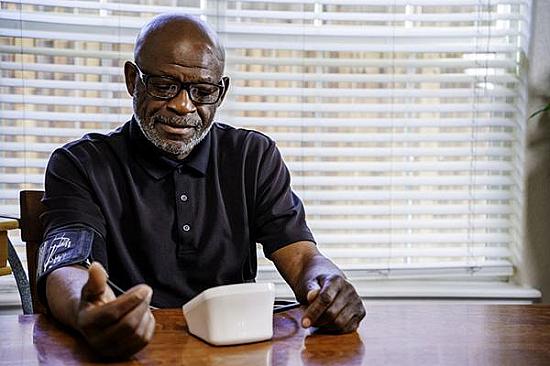
Taming high blood pressure: How doctors find the right drug mix
Hypertension treatment usually involves taking at least two drugs. Your other health conditions and lifestyle may influence which combination works best for you.
- Reviewed by Katherine Sakmar, MD, Contributor

By age 70, most adults — 70% or more — have high blood pressure (hypertension), defined as a consistent reading of 130/80 milligrams of mercury (mm Hg) or higher. Most of them need at least two blood pressure medications to keep their pressure under control — and up to 30% require three drugs. With more than 200 different blood pressure medications on the market, how do doctors select the right combination for each individual?
The most recent blood pressure guidelines feature detailed advice about hypertension treatment, which includes four classes of drugs deemed first-line options: angiotensin-receptor blockers (ARBs), ACE inhibitors, calcium-channel blockers, and diuretics. When deciding which drugs to prescribe, doctors consider many factors, including whether you have stage 1 or stage 2 hypertension and any heart-related health risks or diagnoses (such as diabetes or coronary artery disease).
“I also review my patient’s other health issues and ask about their daily lives, including what they do for a living and how much time they spend outdoors, since their answers may affect which blood pressure medications are best for them,” says Dr. Katherine Sakmar, assistant professor of medicine at Harvard Medical School and internist at Massachusetts General Hospital.
What is stage 1 hypertension treatment?
Stage 1 hypertension is defined as systolic blood pressure (the first number in the reading) of 130 to 139 or diastolic blood pressure (the second number) of 80 to 89. Incorporating lifestyle changes into your daily routine, like eating a low-sodium, plant-forward diet and exercising regularly, can lower the dosage and number of medications you need to take.
“Choosing which drug to try first is highly individualized for each person,” says Dr. Sakmar. Fortunately, most of the effective first-line choices in the four classes below are available as inexpensive generics, she adds.
Angiotensin-receptor blockers. By blocking angiotensin, a hormone that causes arteries to constrict, these drugs help blood vessels remain relaxed. These days, ARBs are often the first drug doctors prescribe for stage 1 hypertension treatment. Because they help protect the kidneys, ARBs are recommended for people who have kidney disease or diabetes (a leading cause of kidney disease). Examples: losartan, irbesartan, valsartan.
ACE inhibitors. These drugs help blood vessels to relax and widen by inhibiting angiotensin. Many people tolerate these drugs well. But ARBs are just as effective and don’t cause the dry cough some people have when taking ACE inhibitors, Dr. Sakmar notes. So, doctors usually prescribe ARBs over ACE inhibitors in people newly diagnosed with hypertension. Examples: benazepril, enalapril, lisinopril.
Calcium-channel blockers. By blocking calcium entering cells, these medicines help the heart relax and blood vessels widen. In younger people with mildly elevated blood pressure, Dr. Sakmar often starts with one of these. They have relatively few side effects; the most common is swelling in the lower legs. Calcium-channel blockers are also used to treat angina (chest pain from narrowed heart arteries) and abnormal heart rhythms. Examples: amlodipine, felodipine, nifedipine XR.
Thiazide diuretics. Sometimes called “water pills,” these drugs help rid the body of excess salt and water. But the most common side effect, frequent urination, can be problematic, especially for people with urinary issues (for example, an enlarged prostate in men or stress incontinence in women), says Dr. Sakmar. Thiazide diuretics also make people more sensitive to the sun and may raise the risk of skin cancer, so they’re not ideal for people who spend a lot of time outdoors. While low doses can minimize side effects, diuretics are rarely used initially. But they can enhance the benefits of other blood pressure drugs. Examples: chlorthalidone, hydrochlorothiazide, indapamide.
What is stage 2 hypertension treatment?
Stage 2 hypertension — a systolic reading of 140 or higher or a diastolic reading of 90 or higher — should generally be treated with at least two drugs. “Smaller doses of two or three medications tend to be more effective than a higher dose of a single one,” says Dr. Sakmar.
According to a 2025 scientific statement from the American Heart Association, using single-pill combinations (such as an ARB plus a calcium-channel blocker or diuretic) can help people reach their blood pressure targets faster. Compared with taking multiple, separate pills, taking combination pills is also linked to a lower risk of heart attack and stroke, fewer side effects, a better quality of life, and lower costs.
Image: © Huntstock/Getty Images
About the Author

Julie Corliss, Executive Editor, Harvard Heart Letter
About the Reviewer

Katherine Sakmar, MD, Contributor
Disclaimer:
As a service to our readers, Harvard Health Publishing provides access to our library of archived content. Please note the date of last review or update on all articles.
No content on this site, regardless of date, should ever be used as a substitute for direct medical advice from your doctor or other qualified clinician.