










Anti-inflammatory diet: Foods that help reduce chronic inflammation
The eating plan is easy to adopt and filled with delicious, healthy foods that might help lower chronic inflammation.
- Reviewed by Jeanne Luongo, RD, MPH, Contributor
|
Summary An anti-inflammatory diet may help rein in chronic inflammation. The eating plan is rich in vegetables, fruit, healthy oils, nuts and seeds, and other foods with anti-inflammatory benefits. What's not included: refined carbohydrates, red and processed meats, deep-fried foods, and other inflammation-promoting foods. |
Chronic inflammation, typically caused by an excessive or prolonged immune response, can be harmful, damaging tissues throughout the body and increasing the risk of health conditions such as heart disease, type 2 diabetes, dementia, and cancer.
Many unhealthy lifestyle habits contribute to chronic inflammation, especially eating a lot of foods, like potato chips, cookies, or frozen pizza, that can promote inflammation. One antidote? An anti-inflammatory diet. Knowing what to eat (and what to avoid) might help you tamp down inflammation and reduce your risk of chronic inflammation and its harmful effects.
What is an anti-inflammatory diet?
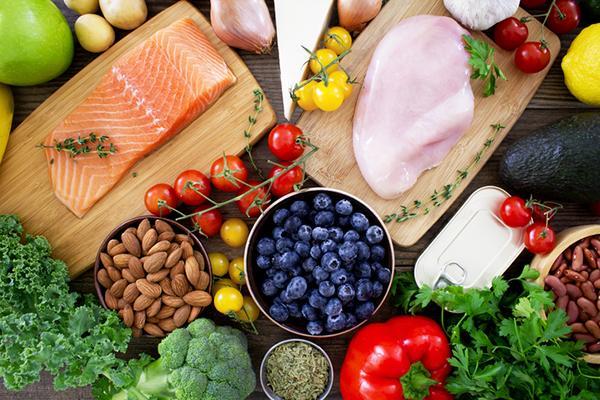
In truth, an official anti-inflammatory diet doesn’t exist, says Jeanne Luongo, a dietitian at Harvard-affiliated Beth Israel Deaconess Medical Center. But research suggests that one of the best approaches to fighting chronic inflammation is a Mediterranean-style eating plan. It emphasizes anti-inflammatory foods, including fruits and vegetables, whole grains, legumes, nuts, seeds, unsaturated fats like olive oil, and small amounts of dairy and lean protein. Plant-based diets and the Dietary Approaches to Stop Hypertension (DASH) diet are also made up mostly of foods that may reduce inflammation. Remember: it’s the overall pattern of eating, not individual foods, that matters most.
Anti-inflammatory diet food list
Here’s a closer look at inflammation-fighting foods to include in your diet. They are rich in the following components:
- Omega-3 fatty acids. These are found in fatty fish (tuna, salmon, sardines, mackerel), soybeans, chia seeds, walnuts, flaxseed oil, and leafy green vegetables (spinach, collard greens, kale).
- Polyphenols. These beneficial plant chemicals are present in high levels in foods with bright pigments, like blueberries and blackberries; tea, coffee, dark chocolate, apples, citrus, onions, and soybeans also contain polyphenols.
- Fiber. Legumes, whole grains (oats, bran, barley), fruits, and vegetables are rich in fiber.
- Unsaturated fats. Good sources of these healthy fats include walnuts, almonds, and other nuts; sesame and pumpkin seeds; and plant oils (avocado, olive, canola, flaxseed, walnut).
- Probiotics. Yogurt and kefir, as well as refrigerated sauerkraut and other pickled vegetables (labeled “fermented” or “raw” in grocery store refrigerated cases), contain helpful microorganisms that promote the diversity and activity of gut bacteria.
Inflammatory foods to avoid
Foods that cause inflammation include ultra-processed foods like microwaveable dinners, chicken nuggets, dehydrated soups, sugary cereals, biscuits, and sauces. They tend to be high in salt, added sugars, and cholesterol-raising saturated fats — ingredients that are all linked with promoting inflammation. “Look at the ingredients list, and if you can’t read or recognize them, those foods are probably not a good choice,” Luongo says.
In addition, try to limit or avoid
- red meat (steaks, burgers) and processed meats (bacon, hot dogs, sausage, deli meats)
- deep-fried foods like French fries (foods produced with cooking techniques like steaming, boiling, roasting, or a quick saute are healthier)
- refined carbohydrates such as white rice, white bread, and baked goods
- sugary sodas and other sugar-sweetened beverages
- margarine, shortening, lard.
How to build an anti-inflammatory diet that lasts
Use these tips from Luongo to gradually incorporate more anti-inflammatory foods into your diet and to limit foods that cause inflammation.
Load up on fruits and vegetables. They are central to an anti-inflammatory eating plan, but research shows that roughly 90% of Americans don’t eat enough of them. The 2025 Dietary Guidelines recommend two servings of fruit and three servings of vegetables daily. An easy way to reach that goal: make sure half of your plate at each meal is made up of fruits, vegetables, or a combination of the two.
Add, subtract, or swap. Add anti-inflammatory foods throughout the day. For example, snack on an apple; dip cut veggies, like red and orange peppers, in hummus; or add a small salad of leafy greens with an olive oil dressing to your dinner. Subtract inflammatory foods by reducing their portion size and eating them less often. If you love potato chips, for example, try having them twice a week instead of every day, or choose the smallest, single-serving bag instead of a larger one. If you crave something sweet, swap a piece of fruit, like thawed frozen mango slices, for a cookie or slice of pie.
Try new, healthy foods. When you go to the grocery store, pick up something new, like a small package of mushrooms or snow peas. Try the food raw. If you dislike it, try it cooked. If you still dislike it, move on to other foods — there are plenty of other healthy ones to choose from. If you’re on the fence, keep in mind that most people need to try something three or four times before their palette adjusts to it.
Use herbs and spices liberally. Similar to fruits and vegetables, herbs and spices (including garlic, ginger, rosemary, chili pepper, black pepper, cinnamon, and turmeric) contain natural anti-inflammatory compounds.
Anti-inflammatory diet sample menu
These meal plans, created by Luongo, easily incorporate anti-inflammatory foods. For a snack, pair a piece of fresh fruit or a vegetable with nuts or with nut or seed butter — for example, a plum with pistachios or cut-up carrots dipped in sunflower seed butter.
Anti-inflammatory meal ideas |
|
|
Breakfast: Overnight oats Soak rolled oats in plant or cow’s milk and plain Greek yogurt and store in the refrigerator overnight. In the morning, add fresh or frozen berries and nuts; nut butter; or seeds, such as slivered almonds or chia seeds. |
Breakfast: Avocado toast Spread half a smashed avocado on a toasted slice of multigrain bread. Top with an egg pan-fried in olive oil, and drizzle with chili crisp or your favorite hot sauce. |
|
Lunch: Lentil salad with sea bass Add diced red peppers and fresh herbs (such as parsley, mint, or dill) to cooked lentils. Top with a handful of arugula or baby spinach and oven-baked or air-fried sea bass. Drizzle with a dressing of lemon, olive oil, and capers. |
Lunch: Hummus bowl Place a handful of baby spinach in a large bowl. Add one or two scoops of store-bought hummus, pickled red onions, olives, and a few crumbles of feta cheese, along with diced avocado, tomatoes, and cucumbers. Drizzle with olive oil. For extra flavor, add basil, oregano, or za’atar. |
|
Dinner: Grilled shrimp and veggie skewers Marinate zucchini, yellow squash, red onion, and cherry tomatoes in Italian dressing. Prepare one skewer with shrimp and another with the marinated vegetables, then grill. Serve over brown rice. |
Dinner: Sheet pan chicken Line a sheet pan with parchment paper. Place chicken (your choice of breasts, legs, or thighs) in the middle of the pan; season with salt and pepper and your favorite herbs. Place asparagus and green beans (tossed with olive oil and salt) on one side and multicolored baby potatoes (sliced in half and tossed with olive oil, salt, and pepper) on the other. Bake until chicken’s internal temperature reaches 165° F. For the last five minutes of baking, top with chopped kale. |
Frequently asked questions
How can you reduce inflammation in the body?
In addition to addressing your diet, these lifestyle strategies can help:
- Maintain a healthy weight. It’s best to keep your BMI (body mass index) under 25 and your waist size at 35 inches or under if you’re a woman or 40 inches or under if you’re a man. Belly fat can be particularly problematic for chronic inflammation.
- Increase your physical activity. Aerobic exercise — the kind that works your heart and lungs — helps fight chronic inflammation. Engage in an activity you enjoy for 30 to 60 minutes at least five days a week. Brisk walking is a great choice.
- If you smoke, quit. Smoking is associated with elevated levels of blood markers of inflammation, including C-reactive protein (CRP) and fibrinogen. Many of the harmful health effects of smoking, including an increased risk of lung cancer, emphysema, and cardiovascular disease, may be related, at least in part, to chronic inflammation.
- Cut back on alcohol. Excessive alcohol and binge drinking promote inflammation. Limit consumption to no more than one alcoholic beverage a day; recent research suggests that the less alcohol, the better.
- Improve your sleep. When you don’t sleep well, your body produces more of the hormone cortisol. Persistently elevated cortisol can trigger a long-term inflammatory response. To improve your sleep, avoid caffeine later in the day, have an early dinner, switch off electronics an hour before bed, and darken your bedroom with shades or blackout curtains.
- Reduce stress. High stress levels also can raise cortisol. One possible remedy: spending at least 20 minutes outdoors in nature, which was found to lower cortisol levels in a study published in Frontiers in Psychology. Keeping a journal and practicing mindfulness meditation, which involves observing your thoughts without judgement, may also help reduce stress.
Is the Mediterranean diet anti-inflammatory?
Yes, the Mediterranean diet, which has been studied extensively, is considered to be anti-inflammatory. In a 2023 Nutrients study, for example, older adults who followed this eating plan for six months were found to have lower levels of inflammatory markers in their blood, while those who followed their usual diet did not.
Are refined carbs inflammatory?
Yes, these processed foods are made with grains that have had the bran and germ removed — components that provide fiber, B vitamins, minerals, protein, and healthy fats. Without the bran and germ, refined carbs are digested quickly and can cause spikes in blood sugar and insulin levels that may trigger inflammation.
Can an anti-inflammatory diet cure arthritis or other chronic diseases?
An anti-inflammatory diet “has the potential for benefit against multiple diseases, as many are potentially related to inflammation,” says Dr. Edward Giovannucci, a professor of nutrition and epidemiology at the Harvard T.H. Chan School of Public Health. “So far, it has been associated with lower risk of heart disease, diabetes, and some cancers.” Though eating anti-inflammatory foods doesn’t cure arthritis or other chronic diseases, it might help reduce chronic inflammation, which may help relieve symptoms such as pain, swelling, stiffness, and fatigue.
Image: © Synergee/Getty Images
About the Author

Jennifer Cook, Health Writer
About the Reviewer

Jeanne Luongo, RD, MPH, Contributor
Disclaimer:
As a service to our readers, Harvard Health Publishing provides access to our library of archived content. Please note the date of last review or update on all articles.
No content on this site, regardless of date, should ever be used as a substitute for direct medical advice from your doctor or other qualified clinician.


