










C-reactive protein: Should healthy people be tested for it?
The simple blood test promises insight into hidden inflammation and heart disease risk. Here's what to know.
- Reviewed by Paul M. Ridker, MD, Contributor
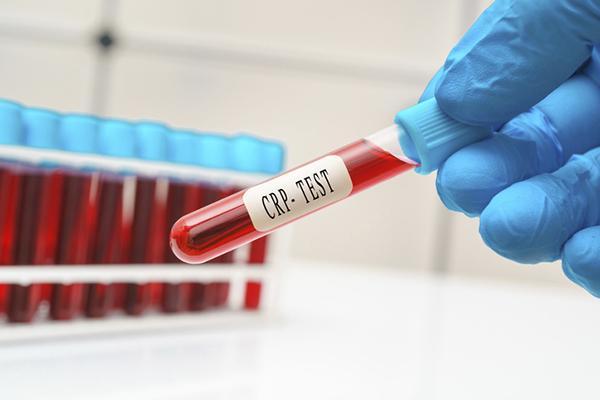
Here’s a sobering statistic: one in three people doesn’t survive their first heart attack. But cardiovascular risk factors such as high cholesterol and high blood pressure explain only half of heart attacks. The other half, scientists are learning, may be due to chronic, low-level inflammation — a factor readily gauged by measuring an inflammation marker called high- sensitivity C-reactive protein (hsCRP).
There are two types of CRP tests — a standard one that detects or monitors inflammatory conditions such as major infections or autoimmune diseases, and the aforementioned high-sensitivity CRP test that’s designed to reveal hidden heart disease risk that traditional measures may miss.
CRP tests have drawn increasing attention in recent years, prompting a central question: should people who feel healthy get tested? According to the American College of Cardiology (ACC), the answer is yes.
A 2025 ACC scientific statement suggests measuring hsCRP more routinely could serve as a form of screening, helping identify otherwise healthy people who would benefit from earlier prevention efforts.
“Global guidelines are moving toward universal hsCRP screening,” says Dr. Paul Ridker, director of the Center for Cardiovascular Disease Prevention at Harvard-affiliated Brigham and Women’s Hospital, who co-authored the ACC statement.
“Traditional risk factors such as high blood pressure, high cholesterol, smoking, diabetes, and obesity are still very important,” he says. “But in some estimates, as many as half of all heart attacks and strokes occur in people without these major risk factors. We’re all looking for what explains the other half.”
Why is CRP measured?
Inflammation is the body’s natural response to injury or infection, but when it lingers, it can damage blood vessels and contribute to the buildup and rupture of artery-clogging plaque that leads to heart attacks and strokes. Study findings have shown that elevated hsCRP levels are as accurate as elevated LDL (andamp;ldquo;bad cholesterol”) levels for predicting heart attack or stroke, and that chronic inflammation throughout the body may drive cardiovascular risk even when cholesterol is well-controlled, Dr. Ridker says.
“High-sensitivity CRP is measuring cardiovascular inflammation — inflammation in the blood vessels,” he explains. “A person can’t tell they have it, just like they can’t tell they have high cholesterol. The two, when combined, greatly accelerate each other.”
CRP and heart disease risks
Studies have also shown that even people without traditional risk factors for heart disease — high blood pressure, high cholesterol, smoking, diabetes, and obesity — are at higher risk for cardiovascular disease if they have elevated hsCRP levels, Dr. Ridker says.
“The idea is that if you have no standard, modifiable risk factors, but have elevated CRP, you’re at high lifetime risk of cardiovascular disease; worse, your physician doesn’t know it if they’re not measuring it,” he says.
Testing can help doctors decide whether to prescribe medication to reduce someone’s heart disease risk. In clinical trials, people who took statins because of elevated hsCRP levels were 45% less likely to have a heart attack or stroke or die from any cardiovascular cause, he notes.
“Statins are a primary way to prevent heart attack and stroke by lowering both inflammation and cholesterol,” Dr. Ridker says. “Diet, exercise, and quitting smoking also both reduce inflammation and reduce the risks of heart disease.”
Who should consider a CRP test?
For all these reasons, Dr. Ridker says many adults could benefit from hsCRP testing. It’s inexpensive and can easily be added to standard blood tests you undergo at a primary care check-up.
Dr. Ridker says. “Doctors can’t treat what they don’t measure. But if they do regularly measure cardiovascular inflammation, they will see they have many patients they thought were fine but aren’t.”
Ways to lower CRP levelsMany of the same habits known to lower heart disease risk also help calm inflammation, which is measured through a blood test that detects C-reactive protein (CRP). The American College of Cardiology recommends
“We have evidence that if patients eat well, stop smoking, and lose weight, their CRP comes down and their cardiovascular disease risk comes down with it,” says Dr. Paul Ridker, director of the Center for Cardiovascular Disease Prevention at Brigham and Women’s Hospital. |
Image: © Wladimir Bulgar/Science Photo Library/Getty Images
About the Author

Maureen Salamon, Executive Editor, Harvard Women's Health Watch
About the Reviewer

Paul M. Ridker, MD, Contributor
Disclaimer:
As a service to our readers, Harvard Health Publishing provides access to our library of archived content. Please note the date of last review or update on all articles.
No content on this site, regardless of date, should ever be used as a substitute for direct medical advice from your doctor or other qualified clinician.


