









A guide to the DASH diet
This top-ranking healthy eating pattern is easy, versatile — and downright tasty. Here's what you need to know.
- Reviewed by Deirdre Tobias, ScD, Contributor
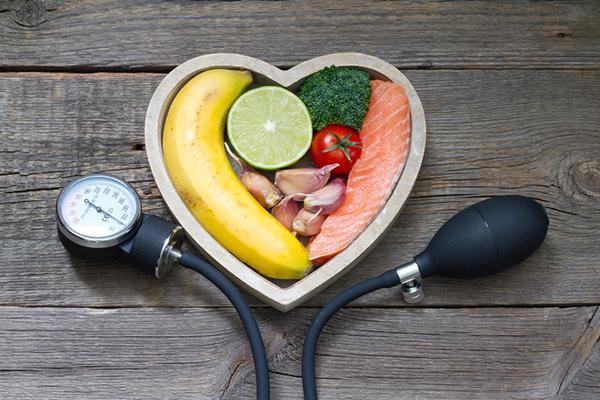
No doubt you’ve heard about the DASH diet, which stands for Dietary Approaches to Stop Hypertension. It has appeared near the top of healthy diet rankings for years, often sitting alongside the celebrated Mediterranean diet. But unlike many well-known eating plans, DASH wasn’t born in a best-selling book or popularized by a celebrity. Instead, it was initially developed by scientists with the goal of improving the health of people with high blood pressure — and it comes with a long track record of success.
“The DASH diet is among the dietary patterns that are consistently related to lower risk of many chronic diseases,” notes Deirdre Tobias, associate professor of nutrition at Harvard’s T.H. Chan School of Public Health.
A key to DASH’s staying power is its flexibility, Tobias adds. “Many diets fall short because they’re just too difficult to stick with. DASH is very flexible and it’s not too restrictive, and that may make it easier to sustain in the long term.”
What is the DASH diet?
The DASH diet for hypertension (high blood pressure) was developed in the early 1990s with the goal of helping people lower their blood pressure with easily available, good-tasting foods. A major clinical trial produced striking results: participants following the DASH eating plan saw significant blood pressure drops — in some cases, comparable to those from blood pressure medications. That finding matters enormously; according to the CDC, almost half of all Americans (48%) have high blood pressure, which raises the risk of stroke, heart attack, and kidney failure.
But there are benefits of the DASH diet beyond blood pressure. More recent research has linked the DASH approach with lower odds of developing heart disease, stroke, and heart failure, as well as lower risks of type 2 diabetes, colorectal cancer, and cognitive decline. And while it was never designed as a weight-loss plan, research suggests many people find it easier to manage their weight on DASH.
How the DASH diet lowers blood pressure
DASH takes a multipronged approach to blood pressure management, targeting several key factors at once:
Limits on sodium. Reducing sodium lowers the volume of fluid in the bloodstream and helps reduce pressure on blood vessel walls. The standard DASH plan caps sodium at 2,300 milligrams (mg) per day — the amount found in a teaspoon of table salt — and a lower-sodium variation limits it to 1,500 mg. (For comparison, most Americans get about 3,300 mg per day.)
Abundant fruits and vegetables. Produce is naturally rich in potassium and magnesium — two minerals that help relax blood vessels and counteract the blood pressure-raising effects of sodium.
Daily servings of low-fat dairy products. These supply calcium, which also helps maintain healthy blood vessels.
Limited alcohol. Drinking more than moderate amounts can raise blood pressure; the latest American Heart Association guidelines recommend no more than two daily drinks for men and one for women.
DASH diet foods: What to eat
One reason DASH remains popular, says Tobias, is that it doesn’t ask you to eliminate any major food group. “It allows people to pick and choose across a broad range of food options — many of which are affordable and easy to find.”
The DASH diet guidelines emphasize getting plenty of fruits and vegetables, whole grains, lean proteins, low-fat dairy products, and moderate amounts of healthy fats (see “A quick guide to the DASH diet meal plan” for specifics).
Foods to limit on the DASH diet include
- red meat and processed meats
- full-fat dairy products
- tropical oils (such as coconut and palm oil)
- sugar-sweetened beverages
- alcohol.
Of course, a lower-sodium diet can take a little getting used to, and foods will taste a little bland at first, says Tobias. “But sodium is one of those taste preferences that’s highly adaptable,” she says. Allow a few weeks for your palate to adjust, “and you’ll come to prefer a lower salt level.”
Is the DASH diet right for you?
The short answer for most people: probably yes. Whether you’re actively managing high blood pressure or simply looking for an evidence-backed framework for healthier eating, DASH offers a clear, well-researched road map. It’s flexible enough to fit a wide range of tastes, budgets, and lifestyles. “And you don’t have to buy a book or subscribe to an app,” adds Tobias. “Information about DASH is freely available, and it’s adaptable to just about everyone.”
A quick guide to the DASH diet meal plan
Here’s a breakdown of recommended daily and weekly servings for a 2,000-calorie diet.
|
Food group |
Recommended servings |
Serving size examples |
|
Grains (mostly whole grains) |
6-8 per day |
1 slice bread; 1 ounce dry cereal; 1/2 cup cooked grain or pasta |
|
Vegetables |
4-5 per day |
1 cup raw leafy vegetable; 1/2 cup cooked vegetable |
|
Fruits |
4-5 per day |
1 medium whole fruit; 1/2 cup fresh, frozen, or canned fruit |
|
Low-fat or fat-free dairy foods (or calcium-fortified nondairy equivalents) |
2-3 per day |
1 cup milk or yogurt; 1 1/2 ounces cheese |
|
Meats, poultry, fish, eggs, and tofu |
2 per day |
3 ounces cooked lean meat, poultry, or fish; 1 egg; 4 ounces tofu |
|
Fats and oils |
2-3 per day |
1 teaspoon vegetable oil; 1 tablespoon mayonnaise |
|
Nuts, seeds, and legumes |
4-5 per week |
1 1/2 ounces nuts; 2 tablespoons seeds or nut butter; 1/2 cup cooked legumes |
|
Sweets and added sugars |
5 or fewer per week |
1 tablespoon sugar, syrup, or honey; 1/2 cup sorbet |
Adapted from the National Heart, Lung, and Blood Institute.
Image: © udra/Getty Images
About the Author

Joyce Hendley, Staff Writer
About the Reviewer

Deirdre Tobias, ScD, Contributor
Disclaimer:
As a service to our readers, Harvard Health Publishing provides access to our library of archived content. Please note the date of last review or update on all articles.
No content on this site, regardless of date, should ever be used as a substitute for direct medical advice from your doctor or other qualified clinician.