Treating peripheral artery disease: When might you need a procedure?
Leg pain that limits your daily routine or slow-healing sores on your feet or legs may require a procedure to restore blood flow.
- Reviewed by Anahita Dua, MD, MS, MBA, Contributor
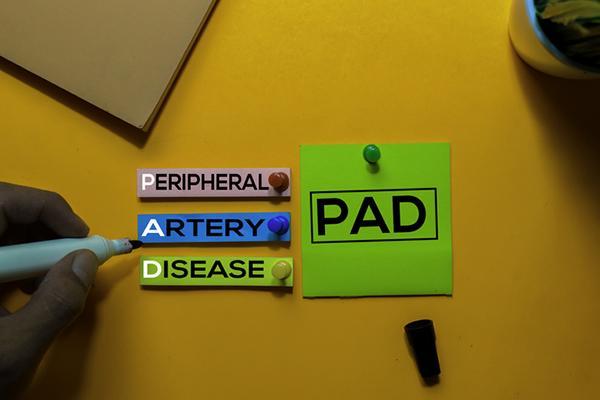
Lifestyle changes and medications are often enough to treat peripheral artery disease (PAD), which develops when fatty plaque narrows arteries in the legs. But sometimes, people need medical procedures to improve blood flow to their feet and legs. Here’s what you need to know about treatments for this condition, which affects as many as one in five people older than 70.
Symptoms and causes of PAD
If you have PAD, even a short walk can cause a crampy, painful sensation in one or both legs. This hallmark symptom is called claudication, from the Latin word meaning “to limp.” People also say their legs ache or feel numb or heavy.
The same factors that contribute to plaque buildup in the heart’s arteries (coronary artery disease) also leave people prone to PAD: smoking, diabetes, kidney disease, high blood pressure, high cholesterol, and family history. The main peripheral artery disease treatments focus on lifestyle changes and medications, which can ease symptoms and prevent complications of the disease.
|
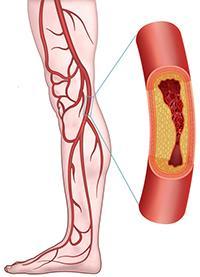
Peripheral artery disease happens when fatty plaque narrows arteries outside of the heart, most commonly in the legs. Image: © IlusMedical/Science Photo Library/Getty Images |
Lifestyle changes and medications for PAD
The same advice for preventing heart attacks also applies for PAD treatment: quit smoking, follow a healthy diet, and get regular exercise. Walking is especially helpful, as it encourages blood flow in the leg's smaller arteries and also creates new channels that move blood around the blocked areas, which eventually helps ease the pain, says Dr. Anahita Dua, director of the Vascular Lab at Harvard-affiliated Massachusetts General Hospital. Dr. Dua recommends walking for at least 30 minutes at least three times a week. If you feel pain, rest until it subsides and then continue walking.
Medications to reduce symptoms of PAD include cilostazol (Pletal) in the US and naftidrofuryl (in Europe). Medications to lower blood pressure, cholesterol, and blood sugar are often recommended as well. Doctors also may prescribe some combination of aspirin, clopidogrel, and rivaroxaban (Xarelto) to lower the risk of blood clots. GLP-1 drugs such as semaglutide (Ozempic, Wegovy), which are prescribed to treat type 2 diabetes and obesity, may also benefit people with PAD.
A more serious form of PAD
A small percentage of people with claudication progress to a severe form of peripheral artery disease. Known as critical limb-threatening ischemia, it is characterized by two main symptoms. “One is rest pain, which refers to intense, burning pain in the legs and feet that happens at rest, often at night when you lie flat,” says Dr. Dua. The other classic symptom is a slow-healing foot sore, she adds.
Both symptoms stem from poor circulation in the legs and feet. Early warning signs include
- a foot that feels colder than the other foot
- skin that appears pale, bluish, or shiny on your legs
- sparse leg hair
- slow-growing toenails.
If you have peripheral artery disease, keep your feet clean and dry, wear well-fitting shoes, and check your feet daily for cuts, bruises, blisters, or redness.
When procedures may be recommended
“The overwhelming majority of people with peripheral artery disease do not need a procedure,” says Dr. Dua. However, critical limb-threatening ischemia requires immediate treatment, which usually involves an artery-opening procedure to restore blood flow.
“There is also a subset of people who have what we call ‘lifestyle-limiting claudication,’” says Dr. Dua. These individuals don’t have rest pain or sores on their legs or feet. But despite regular walking and medications, their claudication is so debilitating they’re unable to engage in everyday activities, Dr. Dua explains. These people may also be good candidates for a procedure.
Procedures for peripheral artery disease
Some procedures for PAD are minimally invasive, meaning they require only small incisions, while others require surgery. These options include the following:
Angioplasty. The doctor guides a thin tube (catheter) through the blood vessel; a small balloon at the tip inflates to flatten the plaque and widen the vessel. Often, a tiny, wire-mesh tube called a stent is placed inside the artery to keep it open. Sometimes, a specialized catheter tip (like a tiny rotating blade) is used to shave plaque out of the artery.
Endarterectomy. A vascular surgeon makes an incision in the narrowed artery and manually scrapes and removes the plaque from the artery walls.
Bypass surgery. The surgeon uses a healthy blood vessel or a synthetic tube to create a detour around the blocked area.
If these procedures fail and a person has non-healing wounds, uncontrolled infection, or intense pain, amputation is a last resort. Sometimes, people with less-severe complications opt for amputation to regain their physical independence using a prosthetic limb.
If your doctor suggests a procedure to treat your peripheral artery disease, ask about the different possible treatments and the pros and cons of each choice, says Dr. Dua. “What you really want to know is, ‘What’s the best, most durable way to get enough blood flow to my legs and feet?’” Plaque buildup may narrow arteries in more than one area, from the pelvis to the thigh, or down in the calf or foot. Sometimes, treating the blockage highest on the leg will suffice, while other people might need multiple areas treated, either all at once or over time.
Image: © syahrir maulana/Getty Images
About the Author

Julie Corliss, Executive Editor, Harvard Heart Letter
About the Reviewer

Anahita Dua, MD, MS, MBA, Contributor
Disclaimer:
As a service to our readers, Harvard Health Publishing provides access to our library of archived content. Please note the date of last review or update on all articles.
No content on this site, regardless of date, should ever be used as a substitute for direct medical advice from your doctor or other qualified clinician.