11 foods that can help lower your cholesterol
Focus on fiber-rich foods and avoid saturated fats.
- Reviewed by Mallika Marshall, MD, Contributing Editor
If your cholesterol level has crept up over the years, you may wonder whether changing your diet can help. Experts worry most about "bad" LDL cholesterol. Excess LDL builds up on artery walls and triggers a release of inflammatory substances that boost heart attack risk.
Cardiologists say to prevent heart disease, everyone should aim for an LDL level of 100 milligrams per deciliter (mg/dL) or lower. Those at increased risk of heart attack or stroke, or who have already had a heart attack or stroke or have peripheral artery disease, should aim even lower. But many Americans have LDL values over 100 mg/dL.
If you fall into that category, you may be able to nudge down your LDL to a healthier level by changing what you eat, particularly if your current diet could use some improvement. However, most people with higher LDL values will also need to take a cholesterol-lowering drug such as a statin.
Dietary directives
Your overall diet - especially the types of fats and carbohydrates you eat - has the most impact on your blood cholesterol values. (Dietary cholesterol has only a moderate impact on the amount of cholesterol in your bloodstream.)
According to the American Heart Association, the best way to improve your cholesterol levels through diet is by lowering saturated fat and replacing it with unsaturated fat. That means eating less red meat, butter, high-fat milk, and tropical oils (coconut, palm) and more fish, nuts, seeds, avocado, and olive oil.
Limiting refined carbohydrates - such as white bread, pasta, and white rice - also is important. These starchy foods aren't very filling and lack nutrients, and they can trigger increased hunger, overeating, and weight gain.
The other big problem with refined carbs? They're woefully low in fiber, which helps flush cholesterol out of the body (see "The fiber factor").
The fiber factorYour body can't break down fiber, so it passes through your body undigested. Fiber comes in two varieties: insoluble and soluble. Fiber‑containing foods usually feature a mix of the two. Insoluble fiber does not dissolve in water. While it doesn't directly lower LDL, this form of fiber fills you up, crowding cholesterol-raising foods out of your diet and helping to promote weight loss. Soluble fiber dissolves in water, creating a gel. This gel traps some of the cholesterol in your body, so it's eliminated as waste instead of entering your arteries. Soluble fiber also binds to bile acids, which carry fats from your small intestine into the large intestine for excretion. This triggers your liver to create more bile acids - a process that requires cholesterol. If the liver doesn't have enough cholesterol, it draws more from the bloodstream, which in turn lowers your circulating LDL. Finally, certain soluble fibers (called oligosaccharides) are fermented into short-chain fatty acids in the gut. These fatty acids may also inhibit cholesterol production. |
The "best" foods
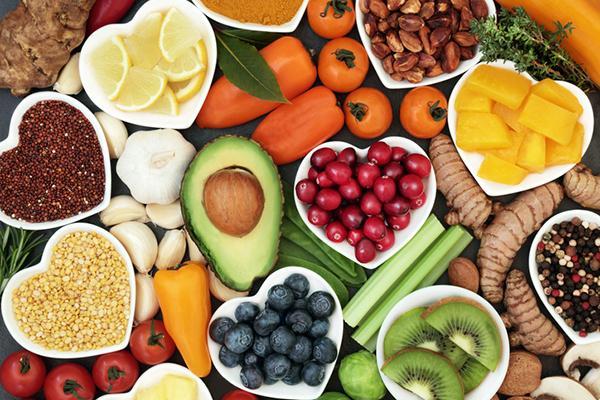
The following 11 foods are good sources of fiber or unsaturated fat (or both). They're not listed in any particular order and are simply suggestions. Most whole grains, vegetables, and fruits are good sources of fiber. And most nuts and seeds (and the oils made from them) provide unsaturated fats.
1. Oatmeal. This whole grain is one of the best sources of soluble fiber, along with barley. Start your day with a bowl of steel-cut or old-fashioned rolled oats, topped with fresh or dried fruit for a little extra fiber.
2. White beans. Also called navy beans, this variety ranks highest in fiber content. Try different types of beans as well, such as black beans, garbanzos, and kidney beans, which you can add to salads, soups, or chili. But avoid prepared baked beans, which are typically canned in sauce that's loaded with added sugar.
3. Avocado. The creamy, green flesh of an avocado is not only rich in monounsaturated fat but also contains both soluble and insoluble fiber. Enjoy this fruit sliced in salad, pureed into dip, or mashed and spread on a slice of whole-grain toast.
4. Eggplant. These deep purple vegetables are one of the richest sources of soluble fiber. One idea: oven-roast or grill whole eggplants until soft and use the flesh in a Middle Eastern dip called baba ghanoush.
5. Carrots. Raw baby carrots are a tasty and convenient snack - and they also give you a decent dose of insoluble fiber.
6. Nuts. Among nuts, almonds are highest in fiber, although other popular varieties such as pistachios and pecans are close behind. Walnuts have the added advantage of being a good source of polyunsaturated, plant-based omega-3 fatty acids.
7. Kiwifruit. Contrary to popular belief, you don't need to peel these fuzzy, brown fruits. But to avoid the skin, slice a kiwi in half and scoop out the inside with a spoon for an easy, fiber-rich, sweet snack.
8. Berries. Because these fruits are packed with tiny seeds, their fiber content is higher than most other fruits. Raspberries and blackberries provide the most fiber, but strawberries and blueberries are also good sources.
9. Cauliflower. This cruciferous veggie not only provides fiber but also can serve as a substitute for white rice. Just shred or whirl it in a food processor until it resembles rice, then saute it with a little olive oil until tender.
10. Soy. Eating soybeans and foods made from them, such as soy milk, tofu, and tempeh, was once touted as a powerful way to lower cholesterol. More recent analyses showed the effect is modest, at best. Still, protein-rich, soy-based foods are a healthier choice than a hamburger or other red meat.
11. Salmon. Likewise, eating cold-water fish such as salmon twice a week can lower LDL by replacing meat and delivering healthy omega-3 fats. Other good fish options include chunk light canned tuna and tinned sardines.
Image: © marilyna/Getty Images
About the Reviewer

Mallika Marshall, MD, Contributing Editor
Disclaimer:
As a service to our readers, Harvard Health Publishing provides access to our library of archived content. Please note the date of last review or update on all articles.
No content on this site, regardless of date, should ever be used as a substitute for direct medical advice from your doctor or other qualified clinician.