










Meditation techniques: How to meditate for stress, sleep, and focus
- Reviewed by Darshan Mehta, MD, MPH, Contributor
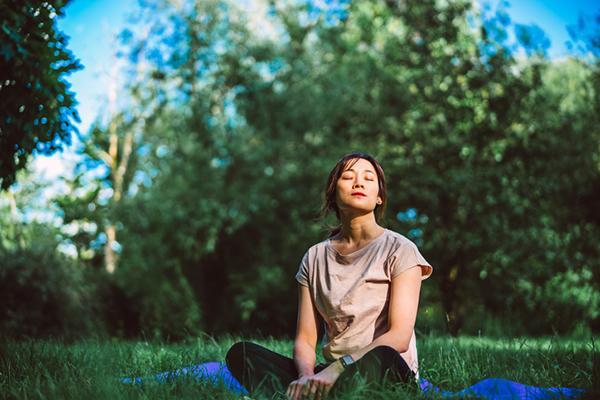
|
Summary Meditation is a family of mind-body practices that focus attention to help calm the nervous system and support overall well-being. Consistent daily practice can result in modest improvements in stress, anxiety, sleep, mood, and attention, though meditation is not a substitute for medical or psychological care. |
Meditation has been practiced for thousands of years and is increasingly popular today for its benefits to emotional balance and physical well-being. People turn to it for many reasons: to manage anxiety and stress, improve sleep, support chronic conditions like high blood pressure or pain, or simply to feel more present in their lives.
What is meditation?
Meditation encompasses practices intended to focus and calm the mind, connect it to the breath and body, and support overall well-being. It can involve keeping attention on your breath, a sound, a particular sensation, a repeated word or phrase (called a mantra), or a visual image.
The difference between meditation and mindfulness
"Meditation" and "mindfulness" are often used interchangeably, but they are distinct. Mindfulness is the state of being present and aware of one's thoughts, feelings, and experiences, without judgment. Meditation is a practice that cultivates awareness and attention; it often includes mindfulness.
Think of it this way: meditation is your structured practice time, while mindfulness is the quality of awareness you're cultivating. You can practice mindfulness during meditation, as well as throughout the rest of the day, whether you're eating, walking, showering, or in conversation.
Evidence-based benefits of meditation
Research has found that meditation may benefit health in a number of ways:
- Mental and emotional health: Mindfulness-based programs have been associated with improvements in anxiety, stress, and mood, helping people cope better with everyday stressors.
- Chronic pain: One meta-analysis of 30 studies found that people who practiced mindfulness meditation had a small but noticeable decrease in chronic pain compared with control groups, though many of the studies were small and of limited quality.
- Inflammation: Some small studies suggest meditation may reduce certain markers of inflammation, including research involving people with Parkinson’s disease, patients receiving hemodialysis, and nursing students. However, the evidence is still limited, and it’s not clear whether these changes translate into meaningful health benefits or whether meditation can help prevent or treat inflammatory diseases.
- Gastrointestinal conditions: Several studies have shown improvements in symptoms and quality of life in people with irritable bowel syndrome (IBS) who participated in mindfulness-based stress reduction (MBSR) programs.
- Sleep: One review of 18 studies involving 1,654 participants found that mindfulness meditation improved sleep quality more than educational approaches, though it was not shown to be more effective than established treatments like cognitive behavioral therapy or exercise.
There is also evidence that regular meditation is associated with changes in brain structure and function, particularly in regions involved in attention, learning, and emotional regulation.
Use meditation as one component of your care
Meditation is generally safe, but it is not a replacement for medical or psychological care. Dr. Darshan Mehta, Medical Director of the Benson-Henry Institute for Mind Body Medicine at Harvard Medical School, describes it as "one component of an overall strategy for health and well-being.”
“Meditation can complement psychotherapy, medication, surgery or medical procedures, physical rehabilitation, and lifestyle changes,” explains Dr. Mehta, “by helping people develop greater awareness of their internal experiences and more skillful ways of responding to stressful moments.”
Dr. Mehta recommends the following:
- Don't use meditation in place of medical or mental health care, or as a reason to delay diagnosis or treatment.
- If you join a structured meditation program, ask about the instructor's training and experience.
- Let your health care team know about any complementary approaches you use, including meditation, so you can make well-informed decisions together.
- If meditation seems to intensify distress or symptoms, pause and discuss it with your medical provider.
Starting out with meditation: Tips for beginners
"The earliest and most realistic benefits are usually subtle shifts rather than dramatic transformations," says Dr. Mehta, "creating a bit more space between a stressful event and your reaction, or having a slightly easier time falling back asleep after waking at night."
“Many beginners describe feeling more aware of how stress shows up in their body and emotions, which can initially feel like more stress, but represents greater self-knowledge and the opportunity to respond differently,” he explains. Over time, people commonly report an improved ability to self-regulate: pausing before reacting, making more intentional choices, and remaining steadier when life feels uncertain.
When starting out, Dr. Mehta encourages beginners to start with just five minutes of meditation practice once a day, most days of the week, and gradually work toward 10 to 20 minutes.
As far as how quickly you’ll notice result, Dr. Mehta says, "The pattern I see most often is that people notice small changes in stress reactivity, focus, or sleep within a few weeks of consistent practice. However, it can be sooner on the days they meditate and slower if practice is very irregular. Rather than chasing a particular number of minutes, I emphasize consistency and making practice fit into the fabric of daily life."
How to handle distracting thoughts during meditation
“When someone tells me they are 'bad at meditation’ because they cannot stop thinking, I usually start by saying that the goal of most meditation practices is not to stop thoughts, but to change our relationship to them," says Dr. Mehta. "Minds are designed to think, plan, and remember. In meditation, we are practicing noticing when the mind has wandered and gently escorting our attention back — each time we do that, it is a successful 'rep,' not a failure."
Dr. Mehta suggests treating thoughts like clouds drifting across the sky and returning gently to an anchor such as the breath or the feeling of the body in the chair. "Bring a tone of nonjudgmental curiosity and kindness rather than self-criticism," offers Dr. Mehta, "because that compassionate stance is itself part of the training."
How to meditate: Start with the basics
You can start a meditation practice on your own. Begin with just five minutes a day and build gradually.
1. Choose a time of day when you can realistically make time to meditate.
- Morning: sets tone and focus for the day
- Midday: a short reset during work or after a stressful moment
- Evening: helps you wind down before sleep.
2. Choose your space.
The best spot is wherever you can be undisturbed — at home, at work, or outdoors. Keep lighting gentle, temperature comfortable, and any accessories (cushion, timer, candle) within reach.
3. Find a comfortable posture.
- Sit in a chair, back supported, feet flat on the floor.
- Or sit on a cushion or folded blanket on the floor, hips slightly elevated.
- Spine naturally upright; shoulders relaxed; hands resting on knees or in lap.
You can also meditate lying down, standing, or walking, though sitting tends to work best for beginners.
4. Start short, then extend.
Begin with five minutes and gradually work up to 10 to 20 minutes, which is the range most clinical programs recommend. Shorter sessions are fine; consistency matters more than duration. After each session, pause briefly to notice whether tension or anxiety have eased.
Simple meditation techniques
Diaphragmatic (belly) breathing
Breathing-focused meditation is one of the most accessible techniques for beginners. You're simply directing conscious attention to something you already do unconsciously about 20,000 times a day.
- Sit or lie comfortably. Close your eyes or gaze softly downward.
- Place one hand on your chest and the other on your abdomen, just below your belly button.
- Inhale deeply, feeling your chest and belly expand.
- Exhale slowly, letting your chest and belly fall.
- Notice the rise and fall, the sensation of air moving in and out. You might silently think, breathe in… breathe out.
- When your mind wanders — and it will — gently return to the breath. That noticing and returning is the practice.
Deep breathing can slow your heart rate and may lower blood pressure, supporting the body's relaxation response.
Other focal points to experiment with:
- a repeated sound, word, or phrase ("om," "peace," "May I be well") — often called a mantra
- a single object, such as a lit candle or flower
- a visualization of a goal or place
- resting awareness, watching thoughts drift through without following them.
Box breathing
Box breathing is a simple, structured technique that can reduce stress and anxiety by regulating the nervous system, often lowering heart rate and improving focus.
- Visualize a box.
- Inhale for a count of 4, traveling up the left side.
- Hold for a count of 4, across the top.
- Exhale for a count of 4, down the right side.
- Hold for a count of 4, across the bottom.
Body scan
A body scan helps you check in with your physical body — one area at a time — and release accumulated tension. It takes 10 to 15 minutes and works especially well as part of a wind-down routine or done in bed before sleep.
- Sit comfortably or lie down. Close your eyes and breathe slowly.
- Begin at your feet. Notice any tension, pain, or sensation.
- Slowly move attention upward: shins and knees, thighs and hips, lower back and abdomen, chest and upper back, neck and shoulders, then head.
- Breathe slowly as you focus on each area, releasing tension as you go.
Moving meditation: yoga and tai chi
Some people connect more easily with meditation through movement.
Yoga. Combining meditation with gentle movement, slow transitions, and mindful breathing can create a calming, meditative experience. Coordinating breath with movement helps anchor attention in the body and the present moment.
Tai chi. Often described as "moving meditation," tai chi blends slow, flowing movements with controlled breathing to encourage relaxation and mental focus. Research suggests it may be especially beneficial for older adults, with studies linking the practice to improved balance, reduced arthritis discomfort, and lower stress.
How to build a meditation routine
To create a meditation routine, connect your practice to a daily anchor such as your morning coffee, lunch break, or bedtime routine. Put it in your calendar. Apps like Headspace or Meditation Oasis can support consistency. Use resources such as those from the Benson-Henry Institute for Mind Body Medicine or the American Meditation Society, which can make starting and sustaining a practice easier.
Accept that this is a process. Comfort builds gradually, and you're unlikely to feel transformed after your first session. If you miss a day or feel like you're doing it wrong, be kind to yourself and try again.
Image: © Tang Ming Tung/Getty Images
About the Author

Jenette Restivo, Health Writer; Assistant Director for Digital Content Creation and Engagement, Harvard Health Publishing
About the Reviewer

Darshan Mehta, MD, MPH, Contributor
Disclaimer:
As a service to our readers, Harvard Health Publishing provides access to our library of archived content. Please note the date of last review or update on all articles.
No content on this site, regardless of date, should ever be used as a substitute for direct medical advice from your doctor or other qualified clinician.


