










Harvard study: Six healthy diets linked with better long-term brain health
News briefs
- Reviewed by Robert H. Shmerling, MD, Senior Faculty Editor, Harvard Health Publishing; Editorial Advisory Board Member, Harvard Health Publishing
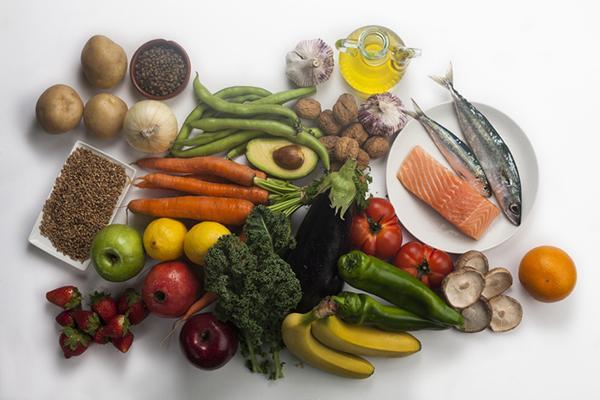
Is there a single healthy diet to help keep your brain sharper as you age? New research from the Harvard T.H. Chan School of Public Health suggests there may be several.
In the study, published online Feb. 23, 2026, by JAMA Neurology, researchers reviewed data from three ongoing studies spanning several decades and involving 159,347 people (82.6% women). They ranked participants - whose average age was 44 when they enrolled in the studies - on how closely their diets followed each of six healthy diet patterns, including the Dietary Approaches to Stop Hypertension (DASH)-style diet, which emphasizes plant foods and limits sodium and sugar.
Then, they looked at how participants rated themselves on memory and attention abilities, as well as how some of them performed on standard cognitive function tests.
They found that all the diets were linked with significantly better cognitive functioning later in life - particularly DASH: participants whose diets most closely followed the DASH pattern had a 41% lower risk of self-reported cognitive decline compared with those with lowest DASH adherence. Cognitive function test results were also better among people with the healthiest diets. Evidence was strongest for those who were following a healthy diet in midlife (ages 45 to 54).
The study can't prove the diets prevented cognitive decline, but it suggests that committing to healthy eating early on may yield brain health benefits later.
Image: © Cristina Pedrazzini/Science Photo Library/Getty Images
About the Author

Joyce Hendley, Staff Writer
About the Reviewer

Robert H. Shmerling, MD, Senior Faculty Editor, Harvard Health Publishing; Editorial Advisory Board Member, Harvard Health Publishing
Disclaimer:
As a service to our readers, Harvard Health Publishing provides access to our library of archived content. Please note the date of last review or update on all articles.
No content on this site, regardless of date, should ever be used as a substitute for direct medical advice from your doctor or other qualified clinician.


