Are those body aches a sign of gallstones?
Gallstones provoke a distinct pattern of pain. Learn how to differentiate them from other causes of discomfort.
- Reviewed by William Brugge, MD, Contributor
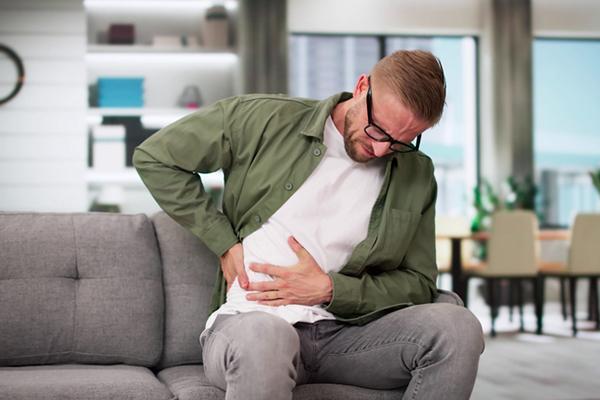
A dull ache in your shoulder that reverberates down your side. Fleeting discomfort in your belly or torso. Body aches are incredibly common, especially as we get older, and it’s easy to blame aging or stress. But some people — perhaps having witnessed a loved one cope with gallstones — may wonder if their aches are a sign of the common condition.
How easy is it to default to that conclusion? It depends on how bad your pain is and where it shows up, says gastroenterologist Dr. William Brugge, a professor of medicine at Harvard Medical School. Indeed, gallbladder pain tends to occur in a distinct pattern.
“If people have mild aches, bloating, and discomfort that comes and goes, that’s not really associated with gallstones,” he says. “But when they have severe pain and it lasts for several hours — possibly accompanied by other symptoms — that’s very suggestive of the condition.”
Affecting about 15% of American adults, gallbladder disease — which includes stones, inflammation, infection, or blockage — can lead to excruciating pain or even life-threatening complications down the line.
But most cases of gallstones don’t cause any issues. Only about a quarter of people diagnosed with gallstones each year need treatment, which is usually surgery.
“Easily, half to two-thirds of people have no symptoms related to their gallstones,” Dr. Brugge says.
How gallstone pain feels and where it occurs
A pear-shaped sac tucked under the liver, the gallbladder stores bile, squeezing this digestive fluid into the small intestine to help digest the fats we consume. Gallstones develop when bile or related fluids form hardened, stonelike lumps that can grow and multiply. Attacks of agonizing pain most often happen when a gallstone blocks the duct that carries bile to the small intestine.
According to Dr. Brugge, attacks of gallstone pain are typically characterized by the following factors:
- Location: upper right abdomen or just below the breastbone
- Sensation: steady, intense pain (as opposed to vague soreness)
- Radiation: pain may spread to the right shoulder or upper back
- Related symptoms: nausea, loss of appetite
- Timing: after eating — especially heavy, greasy meals — or at night.
“Attacks are usually precipitated by eating fatty foods,” he says. That makes the gallbladder contract. If a stone gets lodged in the bile duct, it causes abdominal pain as the gallbladder squeezes even harder to try and push the stone out. If stones don’t block the duct and just float inside the gallbladder, usually they don’t cause pain.
If the pain persists for many hours or the person has fever, chills, and feels awful, it may mean the gallbladder is inflamed or infected. Don’t try to sweat this out at home. Go to urgent care or the emergency department for evaluation.
Pinpointing the problem
Can pain from gallstones feel like all-over body aches? Almost never, Dr. Brugge says. That scenario usually points to another issue, such as the flu. Other conditions can mimic gallstone pain, however, producing similarly intense pain in a similar location. They include ulcers, gastritis (an inflammation of the stomach lining), or a blockage in the small intestine or colon.
Still, gallstone symptoms can vary from person to person, “probably due to the degree of blockage or size of the gallstone,” Dr. Brugge says.
To accurately diagnose gallstones, doctors pay attention to
- symptom pattern
- observations from a physical exam
- results of imaging scans, particularly ultrasound.
“Abdominal ultrasound is the best tool we have for looking at the gallbladder, the ducts, the liver, and other organs in that area,” Dr. Brugge says. “With it, you can see not only gallstones, but also signs of infection in the gallbladder.”
Think you have gallstones? Here’s what to doDr. William Brugge, a professor of medicine at Harvard Medical School, advises these steps if you’re experiencing discomfort that makes you suspect gallstones. Track symptoms. “We’ll want to know how many attacks someone had, how long they lasted, if they were similar, and if pain radiated from one part of the body to another,” he says. Recurring right upper abdominal pain after eating, particularly fatty foods, means gallstone attacks are the likely cause. See your doctor. It’s time to schedule an appointment “if you have pain that lasts an hour and goes away, and you’ve had this kind of attack two or three times in the last year,” Dr. Brugge says. “As a rule of thumb, if you’ve had three significant attacks, you’ll want to consider having surgery.” Seek emergency care if pain is severe and persistent. If you’re experiencing additional symptoms such as fever, vomiting, or jaundice you need prompt medical evaluation. If someone has very severe pain and complications such as fever and abnormal lab tests, doctors usually recommend surgery to remove the gallbladder, right away or soon after a severe episode. |
Image: © AndreyPopov/Getty Images
About the Author

Maureen Salamon, Executive Editor, Harvard Women's Health Watch
About the Reviewer

William Brugge, MD, Contributor
Disclaimer:
As a service to our readers, Harvard Health Publishing provides access to our library of archived content. Please note the date of last review or update on all articles.
No content on this site, regardless of date, should ever be used as a substitute for direct medical advice from your doctor or other qualified clinician.