Don't count on daily aspirin to prevent colon cancer
News briefs
- Reviewed by Robert H. Shmerling, MD, Senior Faculty Editor, Harvard Health Publishing; Editorial Advisory Board Member, Harvard Health Publishing
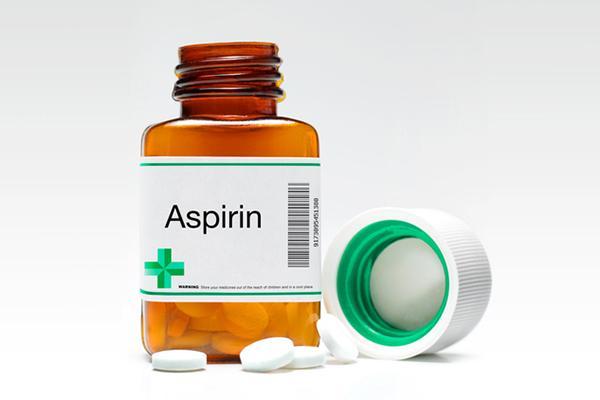
Because aspirin helps reduce inflammation, it's been tested as a way to prevent conditions related to long-term inflammation, including colon cancer. A new research review finds that daily aspirin is not helpful for that purpose, and comes with potentially serious side effects.
Published Feb. 26, 2026, in the Cochrane Database of Systematic Reviews, the review included 10 trials involving a total of nearly 125,000 people, all with an average risk of colon cancer. The trials compared daily aspirin (usually a low dose of 75 to 100 milligrams per day) against an inactive pill or no treatment.
Taking aspirin for five to 15 years did not reduce the number of new cases of colon cancer. Aspirin might reduce new cases of colon cancer when taken for 15 years or longer, but the evidence for that observation was limited. However, aspirin increased the risk of bleeding in the brain and around the skull.
Earlier studies suggested people with a high genetic risk for colon cancer might benefit from aspirin. But given the serious bleeding risks, no one should take aspirin
Image: © Peter Dazeley/Getty Images
About the Author

Julie Corliss, Executive Editor, Harvard Heart Letter
About the Reviewer

Robert H. Shmerling, MD, Senior Faculty Editor, Harvard Health Publishing; Editorial Advisory Board Member, Harvard Health Publishing
Disclaimer:
As a service to our readers, Harvard Health Publishing provides access to our library of archived content. Please note the date of last review or update on all articles.
No content on this site, regardless of date, should ever be used as a substitute for direct medical advice from your doctor or other qualified clinician.