The most effective types of exercise to lower blood pressure
News briefs
- Reviewed by Robert H. Shmerling, MD, Senior Faculty Editor, Harvard Health Publishing; Editorial Advisory Board Member, Harvard Health Publishing
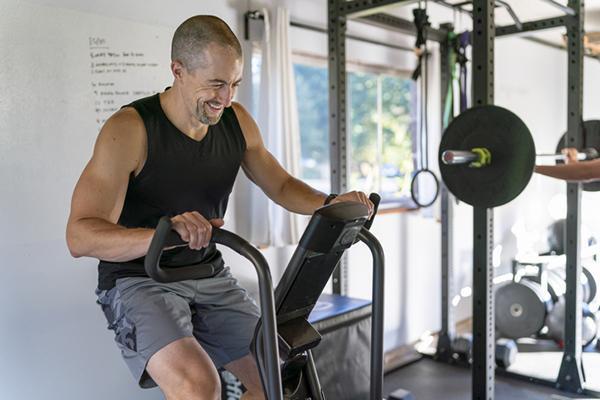
One of the best ways to prevent and treat high blood pressure (hypertension) is to get regular exercise. But are some forms of exercise better than others? A scientific review published May 12, 2026, in the British Journal of Sports Medicine suggests that engaging in these three exercise patterns can lead to lower blood pressures throughout the day (when compared to not exercising or participating in different types of exercise) in adults with hypertension:
aerobic exercise — physical activity that makes the lungs and heart work harder, such as brisk walking, biking, and swimming
a combination program that involves doing both aerobic exercise and muscle-strengthening exercises, either in a single workout or in consecutive sessions
high-intensity interval training (HIIT), which alternates between periods of intense aerobic exercise and gentler recovery periods.
The review included 31 separate trials involving a total of 1,345 participants. Researchers only included trials that lasted at least four weeks and compared the effects of different types of exercise on 24-hour ambulatory blood pressure. This type of blood pressure monitoring uses a device that automatically checks blood pressure every 15 to 30 minutes over the course of a single day. The measurements predict the risk of heart-related problems and death more accurately than blood pressure readings taken in a doctor’s office.
The pooled results showed that people who did aerobic exercise, a combination program, or HIIT lowered their systolic blood pressure (the first number in a reading) by an average of about 5 to 6 points compared with people who did not exercise.
The study authors also noted that there’s limited but promising evidence about the potential blood pressure benefits of resistance training alone (using your own body weight, dumbbells, or bands), isometric training (such as doing planks or wall sits), or other types of exercise (such as yoga, Pilates, and recreational sports).
Image: © Fly View Productions/Getty Images
About the Author

Julie Corliss, Executive Editor, Harvard Heart Letter
About the Reviewer

Robert H. Shmerling, MD, Senior Faculty Editor, Harvard Health Publishing; Editorial Advisory Board Member, Harvard Health Publishing
Disclaimer:
As a service to our readers, Harvard Health Publishing provides access to our library of archived content. Please note the date of last review or update on all articles.
No content on this site, regardless of date, should ever be used as a substitute for direct medical advice from your doctor or other qualified clinician.