Red eyes, dry eyes, and more: Top questions for your eye doctor
Here's information and advice about dealing with common eye-related issues.
- Reviewed by Amy Watts, OD, Contributor

Maybe you’ve started to notice an itchy, burning sensation in your eyes, or your eyes appear red or watery. Questions about these common symptoms are among the most frequent things people ask eye doctors. Fortunately, these issues are usually temporary and easy to address. We asked Dr. Amy Watts, director of the Optometry and Contact Lens Service at Harvard-affiliated Massachusetts Eye and Ear, to answer the top five questions she gets from her patients.
Q: Why do my eyes often burn or feel gritty?
A burning or gritty sensation is a classic symptom of dry eye, which is common in older adults. Living in a dry climate makes people more prone to dry eye. So does not blinking frequently enough, which can happen if you log long hours on a computer.
Drink plenty of water and take frequent breaks when using a computer. When you notice dry eye symptoms, close your eyes for a few minutes, which can help rehydrate your cornea (the outer layer of the eye) and provide comfort. Or try using a warm compress plus a gentle eye cleaner (lid scrub).
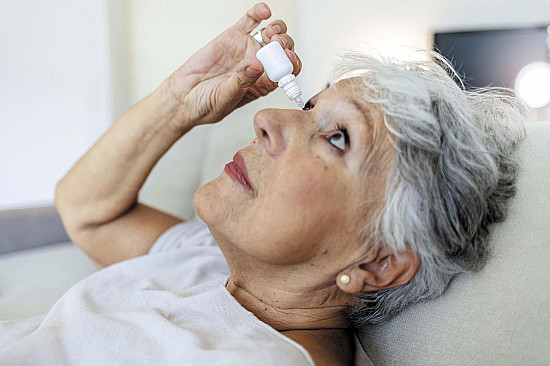
Over-the-counter artificial tears can also help. Look for a preservative-free brand, since preservatives can further irritate the eyes. Put one drop in each eye when symptoms start. If you notice your eyes burn or feel gritty daily, using artificial tears routinely before your symptoms start may be more effective. If symptoms persist, it’s a good idea to see an eye doctor for a full evaluation and, when needed, prescription eye drops or oral medications.
Q: What causes red eyes?
Many things can make your eyes red, including dry eye (see above), seasonal or other allergies, bacterial or viral infections, or wearing contact lenses too long.
If allergies are to blame, over-the-counter antihistamine eye drops such as olopatadine (Pataday) or ketotifen (Zaditor) can help ease itchy, red eyes. We don’t advise using tetrahydrozoline (Visine), which reduces redness temporarily but may cause even worse redness once it wears off.
After an upper respiratory infection like the common cold, people can develop viral conjunctivitis (pink eye), which causes red, watery eyes. Preservative-free artificial tears can improve symptoms. Bacterial conjunctivitis is much less common and tends to cause a thicker discharge, more like mucus, and your eyelids may be crusted shut in the morning. This type of infection requires prescription antibiotic drops. Conjunctivitis can be contagious, so don’t share towels or pillowcases, and wash your hands frequently.
Don’t wear contacts longer than recommended — and never sleep while wearing them. Wearing contacts for long periods can reduce the amount of oxygen reaching the cornea and worsen dry eye. Regardless of the cause, see your eye doctor right away if you experience changes in vision, light sensitivity, pain, or increasing redness.
Q: Which drugstore reading glasses should I choose?
It depends on what you need them for: reading a computer screen, a book, or the tiny print on a prescription bottle. Drugstore reading glasses usually range in power from +1.00 to +3.00 diopters (and sometimes +4.00), in increments of 0.25. The higher the number, the stronger the glasses — and the closer you’ll need to hold the reading material. A power up to +1.50 is generally best for reading a computer screen at arm’s length. Mid-range (+2.00 to +2.50) usually works well for reading books. Higher powers (+3.00 to +4.00) are best for reading tiny print.
Q: Is it safe to use tinted glasses for night driving?
No, it is never safe to drive with tinted lenses at night. While tinted glasses can help reduce the glare around headlights, streetlights, and backlit signs, they also reduce the overall amount of light reaching your eyes. That makes it more difficult to see things such as pedestrians or animals, putting you at risk for an accident. Visit your eye doctor if you have trouble driving at night.
Q: What are the best ways to keep my eyes healthy?
These are the essentials:
- Don’t smoke.
- Follow screening advice for diabetes, and keep your blood sugar in a healthy range. Eye damage from diabetes (diabetic retinopathy) is a leading cause of blindness.
- Eat a healthy diet that supports eye health, including omega-3 fatty acids (found in fatty fish like salmon) and lutein (found in leafy greens like spinach).
- Wear sunglasses outdoors and safety glasses whenever there’s a risk of eye injury from things like dust, flying particles, or chemical splashes.
- Visit your eye doctor every year or two, even if you don’t need glasses.
Image: © Ekaterina Vasileva-Bagler/Getty Images
About the Author

Julie Corliss, Executive Editor, Harvard Heart Letter
About the Reviewer

Amy Watts, OD, Contributor
Disclaimer:
As a service to our readers, Harvard Health Publishing provides access to our library of archived content. Please note the date of last review or update on all articles.
No content on this site, regardless of date, should ever be used as a substitute for direct medical advice from your doctor or other qualified clinician.