










How to protect your health in a power outage
Learn what to do when the power goes out, from storing medications safely to powering essential medical devices, and more.
- Reviewed by Scott Goldberg, MD, MPH, Contributor
Power outages can be more than just an inconvenience. They may be risky for your health, even life-threatening. Because of severe weather and aging electrical infrastructure, blackouts in the US occur more often now and last longer — the national average was 11 hours in 2024, according to the US Energy Information Administration. Longer power outages have health consequences: a March 2026 study published online by PLOS Medicine found that blackouts lasting eight hours or more were tied to a small increase in the risk of emergency hospitalization for cardiovascular and respiratory disease among Medicare beneficiaries.
If you want to ride out a power outage safely at home, “you need to have a plan in place before the incident occurs,” says Dr. Scott Goldberg, medical director of emergency preparedness at Harvard-affiliated Brigham and Women’s Hospital and a longtime member of a federal task force that responds to hurricane-damaged areas. Speak with your doctor about your health and steps you may need to take to be prepared.
Here are the health risks of a blackout and what to do when the power goes out.
Medical devices
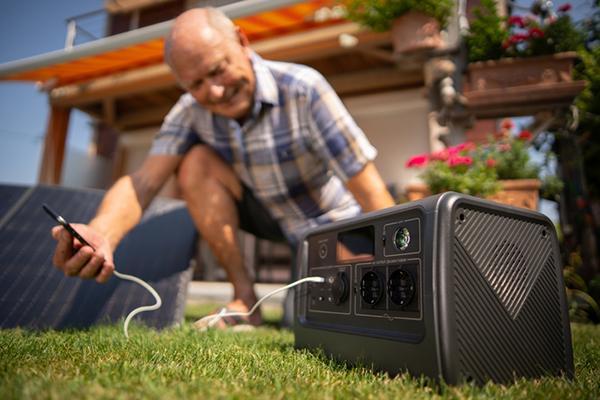
A disaster plan is essential if your health or life depends on a medical device that runs on electricity, such as a CPAP machine for sleep apnea or an oxygen concentrator (for COPD, for example). You can run devices with a generator in a power outage, or make sure you have fully charged external battery power that’s good for at least 48 hours, Dr. Goldberg says. (Those power sources can also charge a smartphone, so you can call for help.)
Check if your power company has an emergency backup plan for people dependent on life support devices, and alert your fire department in advance about your situation.
How to store medications
Most medications are safe at a temperature that’s comfortable to you. But refrigerated medications exposed to extreme temperatures may become less effective, which may affect your ability to manage your health. Insulin, for example, should be stored at 36° F to 46° F and must be tossed if it freezes. What about insulin storage without refrigeration? If your refrigerator temperature rises above 46° F, Dr. Goldberg suggests moving the drug to a small cooler filled with ice packs. Ask your pharmacist for alternative strategies.
Risks in your environment
Knowing which home health hazards you may face can help you make advance preparations. Consider the following.
Extreme heat and cold. Sudden changes in temperature can present serious challenges to your health, especially for older individuals as the ability to adapt to temperature changes decreases with age. In a power outage, without air conditioning or a furnace, that might mean it’s easier to get overheated (which can cause muscle cramps, headaches, vomiting, or worse) or too cold (which can lead to an irregular heartbeat, heart failure, and other serious health problems). A portable generator, set up safely outdoors, can power a window air conditioner or portable heater. (Keep an indoor space heater three feet away from combustibles such as bedding, and unplug it when you’re not using it.) If you have no heat or air conditioning, consider heading to a place that does, such as a shopping mall or public library.
Spoiled food, contaminated water. Even if your refrigerator stays closed, food spoils quickly during a power outage; eating it can cause food poisoning. Bacteria, chemicals, and other contaminants may also get into your water. To avoid illness, eat shelf-stable and canned goods and use bottled water for drinking, cooking, and personal hygiene. Make sure a can opener is available and within easy reach.
Lack of lighting.Falls are the top cause of injury in people 65 and older. To prevent stumbling in the dark, stock up on battery-operated night-lights and rechargeable work lights or lanterns.
Other considerations
Staying at home during a power outage requires understanding your limitations. “Taking precautions up front to make your home environment as resilient to emergencies as possible is incredibly important,” Dr. Goldberg says. “But if you are in an unsafe situation, seek help.” Know how to reach your local emergency responders in the event you need them.
Your basic emergency kitYou’ll need plenty of supplies to protect your health in a power outage. Store these items to use at home:
|
Image: © amriphoto/Getty Images
About the Author

Jennifer Cook, Health Writer
About the Reviewer

Scott Goldberg, MD, MPH, Contributor
Disclaimer:
As a service to our readers, Harvard Health Publishing provides access to our library of archived content. Please note the date of last review or update on all articles.
No content on this site, regardless of date, should ever be used as a substitute for direct medical advice from your doctor or other qualified clinician.


