CoQ10: Should you take this popular supplement if you're on a statin?

Microplastics: A hidden health threat?

Oat vs. dairy milk: Nutrition, benefits, and downsides

What is tempeh? Benefits, nutrition, and how to use it

Healing after food poisoning

Children of centenarians may stay healthier and live longer too, study finds

Light exposure at night may raise risk for heart disease

A lumbar belt may help ease low back pain

Whole grains may improve several heart risk factors at once

Signs of pneumonia: Sometimes vague and unexpected
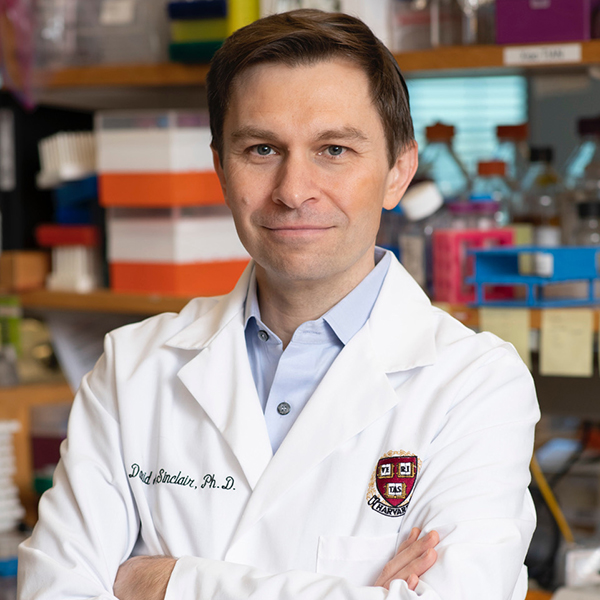
David A. Sinclair, AO, PhD
Contributor
David A. Sinclair is a tenured professor of genetics at Harvard Medical School. His pioneering work in genetics and aging biology has shaped understanding of the mechanisms of aging and age-related diseases, including research on sirtuins, NAD+ metabolism, and epigenetic reprogramming. His Information Theory of Aging is now a leading hypothesis for why we age.
Professor Sinclair served as founding director of the Glenn Center for Biology of Aging Research at Harvard Medical School from 2005 to 2023. He is an Officer of the Order of Australia, inventor on more than 50 patents, has co-founded numerous successful companies, and is the author of the New York Times bestselling book Lifespan.
CoQ10: Should you take this popular supplement if you're on a statin?
Microplastics: A hidden health threat?
Oat vs. dairy milk: Nutrition, benefits, and downsides
What is tempeh? Benefits, nutrition, and how to use it
Healing after food poisoning
Children of centenarians may stay healthier and live longer too, study finds
Light exposure at night may raise risk for heart disease
A lumbar belt may help ease low back pain
Whole grains may improve several heart risk factors at once
Signs of pneumonia: Sometimes vague and unexpected