Nitrates in food and medicine: What's the story?
Leafy greens, processed meats, and certain heart drugs all contain nitrates in various forms. How do these compounds affect your health?
- Reviewed by Walter C. Willett, MD, DrPH, Contributor
Composed of just nitrogen and oxygen, nitrates are simple compounds that occur naturally in our bodies. Nitrates are also found in both healthy and unhealthy foods — and in medications used to treat the squeezing chest discomfort known as angina. Here’s what you need to know about how nitrates and related chemicals affect your health.
Nitrates vs. nitrites
Nitrates (NO3) consist of one nitrogen atom and three oxygen atoms. Bacteria in your mouth or enzymes in your body convert nitrates into nitrites (NO2). In turn, nitrites can form nitric oxide (NO), which acts as a signaling molecule in the cardiovascular system. Its primary role in the body is to relax and widen blood vessels, but NO also helps prevent blood clot formation and inflammation and promotes the creation of new blood vessels.
As medications, nitrates are used to prevent and treat bouts of angina (see “Nitrates as medicines”). But how do nitrates that occur naturally in vegetables and the synthetic and natural nitrates added to processed meat affect your health?
“Nitrates are important molecules, but don’t worry too much about them in your diet, because it’s not clear how crucial they are compared to everything else that’s found in different foods,” says Dr. Walter Willett, professor of nutrition and epidemiology at the Harvard T.H. Chan School of Public Health.
Nitrates as medicineIf you have periodic bouts of chest pain due to narrowed arteries in your heart (angina), your doctor may prescribe medications known as nitrates. Perhaps the best-known type of nitrate drug is the under-the-tongue (sublingual) nitroglycerin tablet. But nitrates come in a variety of different formulations. For people who have angina no more than once a week, short-acting sublingual nitrates (given as tablets or sprays) make the most sense. You can also use them before any physical activity that might provoke angina, such as mowing the lawn, climbing a hill, or walking in cold weather. Long-acting nitrates (given in a skin patch or capsules) are usually best for people who have angina two or more times per week. |
Which foods are naturally high in nitrates?
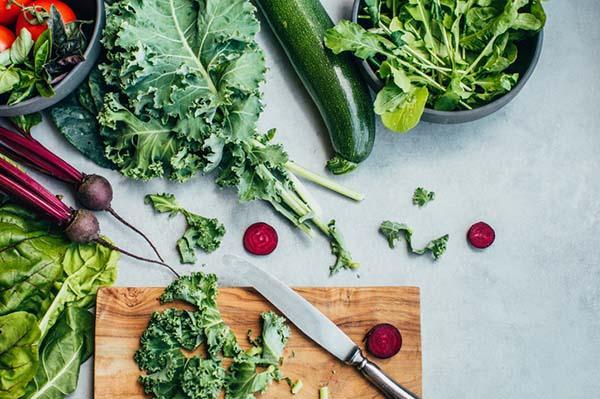
Nitrate-rich foods include dark green leafy vegetables (such as spinach, kale, arugula, and romaine lettuce), beets, and celery. Some short-term studies show that eating vegetables high in nitrates (especially beets) may lower blood pressure, although other studies found no such benefit. Findings from large observational studies that looked at plant-based sources of dietary nitrates have also been mixed. However, leafy greens contain a variety of healthy nutrients, including fiber, vitamin B6, and potassium, that all seem to confer cardiovascular benefits, says Dr. Willett.
Nitrates in processed meats
Cured or processed meats — bacon, sausage, hot dogs, and ham, as well as deli meats such as chicken, turkey, roast beef, and salami — often contain added nitrates and nitrites. These compounds prevent the growth of harmful bacteria, add a salty flavor, and make the meat appear red or pink.
Traditionally, food producers used synthetic sodium nitrate, but many now use nitrates derived from vegetables such as celery. The packaging on these products often contains phrases like “no added nitrates or nitrites.” But the fine print usually says something like “except those naturally occurring in celery powder.”
One study that examined the risk of dietary nitrites and nitrates from all sources (mainly vegetables and processed meats) followed more than 100,000 adults in France for a median of just over seven years. Researchers found no connection between either compound and the risk of cardiovascular disease. But people who consumed higher amounts of nitrites from processed foods (especially meat) had an increased risk of high blood pressure.
“Processed meats are one of the least healthy types of food you can eat,” says Dr. Willett. They contain other additives and are very high in sodium, which is a well- established risk factor for high blood pressure and heart disease, he adds.
Are nitrates in processed meats different than those in vegetables?
From a chemical standpoint, nitrates are the same, whether they’re in beets or bologna. While natural nitrates in deli meats might sound healthier than synthetic nitrates, that’s not the case — your body can’t tell the difference. But the other components in foods matter. In addition to protein, meat contains heme, an iron-containing compound that can interact with nitrates to promote the formation of nitrosamines, which are potential carcinogens. These substances might be responsible for the increased colon cancer rates seen in people who eat lots of processed meat, although the connection remains unclear.
Vegetables, on the other hand, contain antioxidants, including vitamin C, that inhibit the reaction that creates nitrosamines. In fact, diets that include nitrate-rich vegetables have been associated with lower rates of cancer, including stomach cancer.
The bottom line: The story about nitrates and nitrites jibes with the long-held advice to avoid processed meats and to eat more vegetables, says Dr. Willett.
Image: © Jasmina007/Getty Images
About the Author

Julie Corliss, Executive Editor, Harvard Heart Letter
About the Reviewer

Walter C. Willett, MD, DrPH, Contributor
Disclaimer:
As a service to our readers, Harvard Health Publishing provides access to our library of archived content. Please note the date of last review or update on all articles.
No content on this site, regardless of date, should ever be used as a substitute for direct medical advice from your doctor or other qualified clinician.