P.J. Skerrett

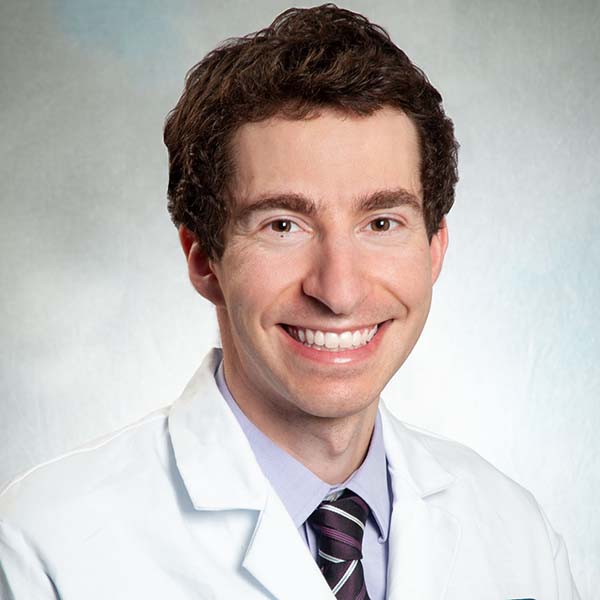
P.J. Skerrett is Harvard Health Publication's managing editor for digital publishing. Before stepping into this role, he was the editor of the Harvard Heart Letter for 10 years. Prior to joining HHP, Pat was senior editor for the Division of Preventive Medicine at Brigham and Women's Hospital/Harvard Medical School and senior news editor for HealthNews. He is co-author of Eat, Drink, and Be Healthy: The Harvard Guide to Healthy Eating, The Fertility Diet, and other books on health and science. He earned a BA in biology from Northwestern University and an MA in biology from Washington University.

Posts by P.J. Skerrett

P.J. Skerrett

Antibiotics instead of surgery safe for some with appendicitis

Since the late 1800s, doctors have turned to surgery to treat appendicitis, even though an inflamed appendix sometimes gets better on its own. A new report suggests that trying intravenous antibiotics first works as well as surgery for some people. Researchers from Nottingham University Hospitals in England compiled the results of four randomized clinical trials that compared antibiotics and surgery for uncomplicated appendicitis. They found that antibiotics alone successfully treated appendicitis 63% of the time, but that 20% of those treated with antibiotics had a return of pain or other symptoms and needed to go back the hospital; some of these had serious infections brewing. The authors concluded that administering antibiotics early “merits consideration as the initial treatment option for uncomplicated appendicitis.” But their work isn’t likely to immediately change the way appendicitis is treated in the United States.

P.J. Skerrett

Doctor groups list top overused, misused tests, treatments, and procedures

In a proactive effort to help stem healthcare spending, nine medical specialty organizations have published their top 5 lists of tests, treatments, or services that are unnecessary or at least should include a thorough conversation between patients and their doctors regarding the benefits and risks of before undertaking the procedure. The lists are part of a campaign called Choosing Wisely, organized by the American Board of Internal Medicine Foundation. The purpose of making these lists, says the foundation, is to help doctors and their patients talk about tests and procedures in order to choose the ones that are supported by evidence; don’t duplicate other tests or procedures; are free from harm; and are really needed.

P.J. Skerrett

Join in on National Walking Day

Today is National Walking Day. Join the celebration by taking a walk. This particular health observance is sponsored by the American Heart Association (AHA). Although it applies to everyone, it’s really aimed at adults who spend most of the workday sitting. The heart association hopes to get workers out of the office, store, or factory for a 30-minute walk. And not just today, but every day. If you don’t exercise, or do it only now and then, walking is an excellent way to get more physical activity. Just 30 minutes a day of brisk walking (or other moderate exercise), helps your heart, blood vessels, muscles, brain, and the rest of your body. If you don’t usually exercise, use National Walking Day as an invitation to get started. If you do exercise, use the day to invite a friend to get on the path to better health with a walk.

P.J. Skerrett

FDA won’t ban BPA—yet

Bisphenol A, or BPA, has been used for decades to make hard plastic water bottles and to coat the inside of food cans. Tiny amounts of BPA migrate from these containers into water or food, and then into people. BPA is thought to mimic the effects of the hormone estrogen, which can interfere with growth and throw off normal hormonal interactions. In 2008, the Natural Resources Defense Council petitioned the FDA to ban the use of BPA in food packaging. The FDA finally responded last week. It denied the petition, saying the organization didn’t provide compelling data to make the case for a ban. The FDA didn’t rule out further action. In the meantime, there are several things you can do to minimize your BPA exposure.

P.J. Skerrett

Personalized medicine experiment details diabetes development

The term “personalized medicine” is still something of an abstract idea. In an audacious experiment, Stanford molecular geneticist Michael Snyder gave it a face—his own—and showed what it can do. Snyder and a large team of colleagues first sequenced his DNA, revealing his complete genetic library. Then they analyzed blood samples he gave every few weeks for two years. This was akin to taking a 3-D movie of his inner workings to observe how genes, the molecules that read and decode them (RNA), the proteins they make, and other substances interact during health and illness. The team saw how Snyder’s body responded to a cold at the very beginning of the study. Midway through, they watched as molecular changes wrought by a respiratory infection tipped him into full-blown diabetes.

P.J. Skerrett

Study urges moderation in red meat intake

A new study from the Harvard School of Public Health suggests that a steady diet of red meat increases the odds of dying prematurely. In the study of more than 121,000 men and women, every extra daily serving of unprocessed red meat (steak, hamburger, pork, etc.) increased the risk of dying prematurely by 13%. Processed red meat (hot dogs, sausage, bacon, and the like) upped the risk by 20%. In absolute terms, the increase isn’t so scary. Among women, the death rate was 7 per 1,000 women per year among those eating about one serving of red meat a week, and 8.5 per 1,000 women per year among those eating two servings a day. The increased risk from red meat may come from the saturated fat, cholesterol, and iron it delivers. Potentially cancer-causing compounds generated when cooking red meat at high could also contribute. Sodium, particularly in processed foods, may also play a role.

P.J. Skerrett

Spring forward, fall asleep

This weekend, most Americans will follow the annual ritual of setting their clocks ahead one hour—and lose an hour of sleep in the process. We pay for it on Monday. According to sleep expert Dr. Charles Czeisler, U.S. researchers have seen increases of 6% to 17% in motor vehicle crashes on the Mondays after we [...]

P.J. Skerrett

Snoring in kids linked to behavioral problems

Children who snore, or sometimes stop breathing during sleep for a few seconds then recover with a gasp (a pattern known as sleep apnea), are more likely to become hyperactive, overly aggressive, anxious, or depressed, according to a new new study in the journal Pediatrics. How could snoring or apnea contribute to behavioral or emotional problems? It is possible that nighttime breathing problems during the brain’s formative years decrease the supply of oxygen to the brain. That could interfere with the development of pathways that control behavior and mood. It is also possible that breathing problems disturb sleep, and it’s the interrupted or poor sleep by itself that may cause trouble in the developing brain.

P.J. Skerrett

Virtual reality, exergames may improve mental and physical health

Games are meant to be fun and exciting. Some involve the body, some the mind. Others do both. Researchers are tapping into this engagement to use games to heal an ailing mind or body. Researchers are testing virtual reality to help people with mental and physical problems ranging from post-traumatic stress disorder and stroke rehabilitation to smoking cessation and stuttering. Exergames may also help people become more physically active. Although they won’t help you lose weight or train for a marathon, many meet the American Heart Association’s criteria for “moderate-intensity daily activity,” meaning they could stand in for taking a walk.

P.J. Skerrett

The science behind “broken heart syndrome”

Media reports describing “broken heart syndrome” often lump together two completely different conditions. One is stress cardiomyopathy, sometimes known as takotsubo cardiomyopathy. The other is myocardial infarction, better known as a heart attack. A huge sudden stress—like news that a loved one has died, experiencing an earthquake, or learning that your accountant has stolen all of your retirement savings—unleashes a torrent of stress hormones that can trigger one of those conditions. Stress cardiomyopathy is a weakening of the left ventricle, the heart’s main pumping chamber. Over the course of a week or longer, the left ventricle tends to recover its pumping power. Heart attacks occur when something—usually a blood clot—blocks blood flow to part of the heart muscle.