










Stroke survivors may benefit from very low LDL levels
News briefs
- Reviewed by Robert H. Shmerling, MD, Senior Faculty Editor, Harvard Health Publishing; Editorial Advisory Board Member, Harvard Health Publishing
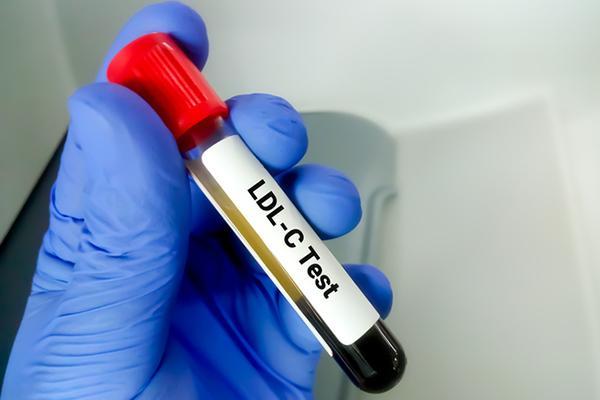
For stroke survivors, achieving a very low LDL (bad) cholesterol level may reduce their risk of future strokes and other cardiovascular problems, a new study finds. The study included nearly 5,300 people (66% men, with a median age of 65) who'd already had a stroke. All were taking cholesterol-lowering medications, including the PCSK9 inhibitor evolocumab (Repatha), and were followed for an average of seven to eight years.
Current guidelines recommend that people who have had stroke or heart attack take medications to bring their LDL level down to 70 milligrams per deciliter (mg/dL). But the new report, published Nov. 3, 2025, in Circulation, found that for stroke survivors, the lower their LDL, the lower their risk of future cardiovascular problems, including stroke and heart attack. Those with an LDL less than 40 mg/dL had a 31% lower risk of such problems compared to those with values of 70 mg/dL or higher. Some previous studies using statins to reach very low LDL levels suggested a possible higher risk of hemorrhagic (bleeding) strokes. But this new analysis found no apparent link between very low LDL and hemorrhagic strokes.
Image: © Md Saiful Islam Khan/Getty Images
About the Author

Julie Corliss, Executive Editor, Harvard Heart Letter
About the Reviewer

Robert H. Shmerling, MD, Senior Faculty Editor, Harvard Health Publishing; Editorial Advisory Board Member, Harvard Health Publishing
Disclaimer:
As a service to our readers, Harvard Health Publishing provides access to our library of archived content. Please note the date of last review or update on all articles.
No content on this site, regardless of date, should ever be used as a substitute for direct medical advice from your doctor or other qualified clinician.


