







How high blood pressure harms your health
High blood pressure can have far-reaching effects on your health
- Reviewed by Howard E. LeWine, MD, Chief Medical Editor, Harvard Health Publishing; Editorial Advisory Board Member, Harvard Health Publishing
Even if you don't notice any signs or symptoms of high blood pressure, it can cause serious complications. The longer you have high blood pressure, the greater your chances of developing serious disorders such as heart disease, stroke, kidney disease, and loss of vision.
Black Americans are particularly at risk: not only are they more likely to develop high blood pressure, but they are also more apt to suffer from its complications. Black adults with hypertension have higher rates of stroke, heart disease, kidney disease, and diabetes than white adults with hypertension, and are also more likely than whites to die as a result of high blood pressure.
Stroke
Untreated high blood pressure is the leading cause of strokes, one of the nation's top killers. Two-thirds of people having a first stroke have blood pressures that are higher than 160/95 mm Hg. If your blood pressure is 160/95 mm Hg, you're about four times more likely to have a stroke than someone with normal pressure.
High blood pressure can lead to either of the two types of stroke: ischemic stroke, which is caused by a blockage of an artery that nourishes the brain, or hemorrhagic stroke, which occurs when a vessel in or near the brain ruptures.
Cardiovascular disease
High blood pressure makes your blood vessel walls more susceptible to atherosclerosis, a buildup of fatty plaque. When this occurs in any of the coronary arteries that supply the heart muscle with oxygen and other nutrients, it's known as coronary artery disease. Heart attacks occur when coronary arteries become completely blocked, either by a clot resulting from a ruptured plaque or by debris such as fats, cholesterol, and dead cells.
Fragments from these deposits, called emboli, can also break away from large blood vessels such as the aorta, travel through the bloodstream, and eventually block other vessels, such as those supplying the legs (causing circulatory problems) or the brain (causing a stroke). Having high cholesterol in addition to high blood pressure exacerbates this process and increases your risk of cardiovascular complications.
Left ventricular hypertrophy
High blood pressure forces the heart to work increasingly harder to drive blood through the body. As a result, the left ventricle, the heart's main pumping chamber, becomes thicker and more muscular in order to contract with greater force. This phenomenon - known as left ventricular hypertrophy - eventually becomes counterproductive. As the heart muscle enlarges, it needs progressively more oxygen, but the coronary arteries, which are also thickened and narrowed as a result of hypertension, become less able to deliver it. The lack of oxygen can cause angina (chest pain) and, if severe enough, a heart attack.
Heart failure
The combination of left ventricular hypertrophy and diseased coronary arteries-spurred on by high blood pressure-can also lead to heart failure. Heart failure, also called congestive heart failure, refers to the inability of your heart to pump blood efficiently throughout your body. In fact, if you have uncontrolled high blood pressure, you're twice as likely to develop heart failure as someone with normal blood pressure.
Symptoms of heart failure include weakness and fatigue (because your muscles aren't getting enough blood), shortness of breath, and fluid buildup (known as edema) in your lungs, feet, ankles, and legs.
Atrial fibrillation
Longstanding, uncontrolled high blood pressure is the most common cause of the heart rhythm disorder known as atrial fibrillation, which usually develops after age 65. People with atrial fibrillation experience periodic spells during which the upper chambers of their hearts quiver erratically. As a result, blood swirls around and pools inside the upper chambers and may form clots that can cause a stroke if they break loose and make their way to the brain. Atrial fibrillation increases the risk of stroke about fivefold.
Dementia
High blood pressure can contribute to dementia (a loss of memory and thinking skills that interferes with daily life) by accelerating atherosclerosis. Atherosclerosis impairs circulation, and a lack of blood supply in medium and large arteries can produce areas of dead tissue in the brain.
High blood pressure itself can damage the brain's smaller arteries. When blood flow in one of these arteries slows too much or stops altogether, the result can be a small stroke, often referred to as a "silent" stroke because it usually causes no immediate symptoms. Such strokes often occur in multiple parts of the brain, but because they affect such a small area of the brain, you may not notice any symptoms until a substantial amount of tissue has been destroyed. This condition, known as vascular dementia, is a well-recognized cause of memory loss in older people.
Kidney disease
Your kidneys are two bean-shaped organs, each about the size of a fist, that filter waste from the bloodstream. They also play a crucial role in the body's natural control of blood pressure by regulating the amount of water and sodium in circulation. When blood pressure rises, the kidneys excrete water and sodium. This action helps bring pressure back down by stimulating the loss of body fluids (through urination, for example), thereby reducing the volume of circulating blood. By contrast, when blood pressure falls, the kidneys retain water and sodium to conserve blood volume and raise pressure. People with high blood pressure tend to retain too much water and sodium.
Uncontrolled hypertension is second only to diabetes as a cause of kidney failure, accounting for about one in four new cases.
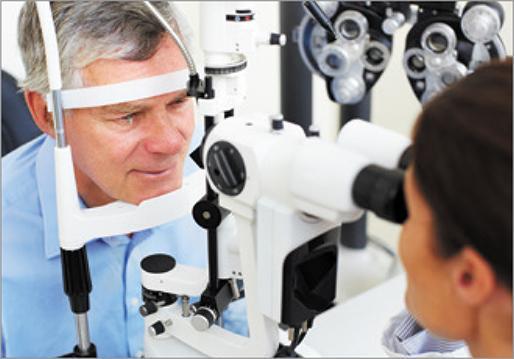
© Goodboy Picture Company | Getty Images
High blood pressure can damage the blood vessels in the eye, which may lead to vision problems and even blindness. Keeping your blood pressure well controlled and getting regular eye exams can help.
Eye damage
The eye works by focusing visual images onto the retina, a sheet of nerve tissue at the back of the eyeball. Immediately behind the retina lies a network of tiny blood vessels that keeps this tissue richly supplied with oxygen and nutrients. High blood pressure can cause these arteries to narrow or break and bleed into the retina. The resulting fluid build-up can lead to distorted vision or scars that harm vision. The optic nerve, which carries images to the brain, may swell, potentially causing vision loss. Longstanding, untreated high blood pressure can even lead to blindness.
About the Reviewer
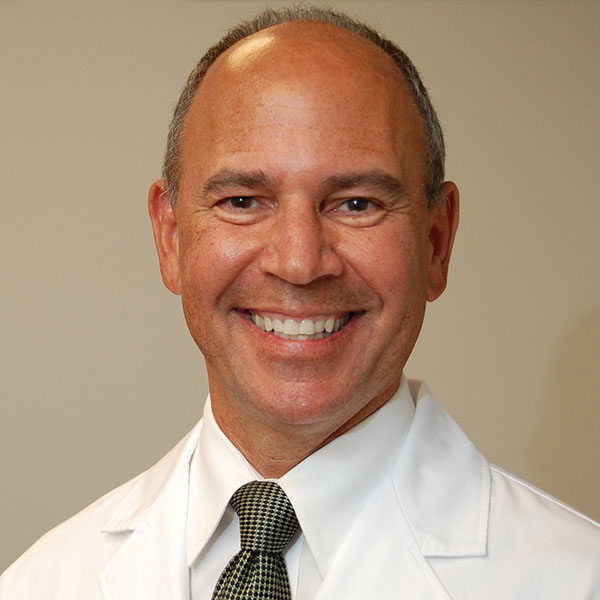
Howard E. LeWine, MD, Chief Medical Editor, Harvard Health Publishing; Editorial Advisory Board Member, Harvard Health Publishing
Disclaimer:
As a service to our readers, Harvard Health Publishing provides access to our library of archived content. Please note the date of last review or update on all articles.
No content on this site, regardless of date, should ever be used as a substitute for direct medical advice from your doctor or other qualified clinician.
