










Handling tough decisions as a caregiver
Here's help for the times when you need to make hard choices.
- Reviewed by Howard E. LeWine, MD, Chief Medical Editor, Harvard Health Publishing; Editorial Advisory Board Member, Harvard Health Publishing
Certain topics - for instance, the need to stop driving or move to a long-term care facility - are painful for everyone concerned. However, they should be addressed promptly and frankly.
Driving
Whether someone should continue to drive can be a particularly tricky issue. Don't assume that anyone automatically should give up driving after a certain age, but your loved one's safety - as well as the safety of other drivers and pedestrians - must be considered.
Don't ignore warning signs such as:
- unexplained dents or scrapes on the car
- multiple traffic tickets or warnings
- comments from family, neighbors, or friends about erratic, unsafe, or aggressive driving
- consistently driving too fast or too slowly
- getting lost on familiar roads
- multiple accidents or near-misses
- health issues that might affect driving, including problems with vision, hearing, and movement.
© Kentaroo Tryman | Getty Images
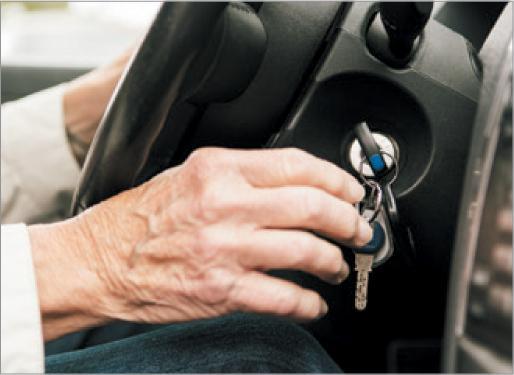
Some older adults can safely continue driving, but unexplained dents on the car, frequent accidents or near-misses, and getting lost on familiar roads are signs that it is likely time to turn over the keys.
If you think it's time for your loved one to restrict driving or even give up the keys, be prepared for a negative reaction. Many older people whose driving abilities are declining regard efforts to restrict them as overly cautious or demeaning. Some tips that may help:
- Offer understanding and support for the person's desire to maintain independence.
- Offer your services as a driver. Apply for a handicapped placard to use when driving the person.
- Focus on alternatives, such as public and senior transportation options, ride-hailing services, and grocery delivery.
- Emphasize your concern for your loved one's safety, rather than criticizing driving skills or talking about age.
- Make sure you have addressed any medical issues that may affect driving ability.
- Consider suggesting intermediate changes, such as avoiding driving at night.
- Let your loved one know about possible discounts on car insurance for those who complete a driving refresher course. AAA, AARP, and others offer these classes online.
- Ask them to take a driving test and abide by the results of the test.
- Talk to your loved one's doctor together; ask if it's important to modify driving habits or quit driving entirely due to health issues or medications.
When a person can no longer live at home
One of the most difficult conversations to have with someone who has been living independently or at home with you is a move to an assisted living, nursing home, or skilled nursing facility.
You may start to think about assisted living if you notice a decline in personal, home, or medical care, such as dirty clothing, uncombed hair, a messy house, unwashed dishes, poor eating habits, weight loss, or forgetfulness in taking pills. Other family members or your loved one's doctor may also have insights about whether it's time to consider a change. If you think assisted living would be beneficial, be aware that moving - especially to a less independent living arrangement - is a big life change that will likely stir strong emotions. Be honest and approach the subject gently, listen carefully to your loved one's feelings and concerns, and be prepared for multiple conversations before a decision is made. It may be important to include other family members in these conversations.
Assisted living residences allow mostly independent living, but with supports as needed. Examples may include communal meals, organized social activities, medication management, transportation, and help with bathing, dressing, and other activities of daily living.
Sometimes, a nursing home is the better long-term option. The National Council on Aging says nursing home care may be appropriate when someone
- has a history of falls or mobility issues that increase the risk of a fall
- needs help to take care of daily needs, such as bathing or using the bathroom
- has significant memory loss or signs of decreased cognitive function
- has another medical condition that can no longer be managed at home but doesn't require hospital care
- needs 24-hour supervision or care for reasons of safety or health
- recently was hospitalized and needs rehabilitation or skilled nursing care.
If you think a move to a nursing home may be needed, start the conversation before a crisis intervenes and forces a decision.
- Talk about your concerns for the person's safety.
- Be honest and empathetic about the loss of independence involved in moving to a nursing home.
- Listen carefully to your loved one's concerns and think about how to address them.
- Point out that nursing home life offers not only 24-hour care, but also nutritious meals and a variety of social activities.
- If there's no immediate danger in remaining at home, expect to have multiple conversations before a decision is reached.
- Be sure to include other family members, especially a spouse, in the conversation if appropriate.
- If the person is willing to consider a move, arrange to visit two or three facilities.
- Discuss what beloved possessions to bring along and how to create a space that feels like home.
If a loved one chooses to live in a situation that seems too risky to you, you might need a doctor to help determine the person's decision-making capacity. If your loved one can fully understand the consequences of their decisions, then you must abide by them, whether or not you agree with them.
The high cost of nursing home care is a serious issue for many families. Although Medicaid covers a very high percentage of the fees, the person needing care may need to deplete a substantial amount of their savings to qualify.
About the Reviewer

Howard E. LeWine, MD, Chief Medical Editor, Harvard Health Publishing; Editorial Advisory Board Member, Harvard Health Publishing
Disclaimer:
As a service to our readers, Harvard Health Publishing provides access to our library of archived content. Please note the date of last review or update on all articles.
No content on this site, regardless of date, should ever be used as a substitute for direct medical advice from your doctor or other qualified clinician.


