









How to fall without injury
You can't always prevent it — but you can help avoid injury.
- Reviewed by Howard E. LeWine, MD, Chief Medical Editor, Harvard Health Publishing; Editorial Advisory Board Member, Harvard Health Publishing
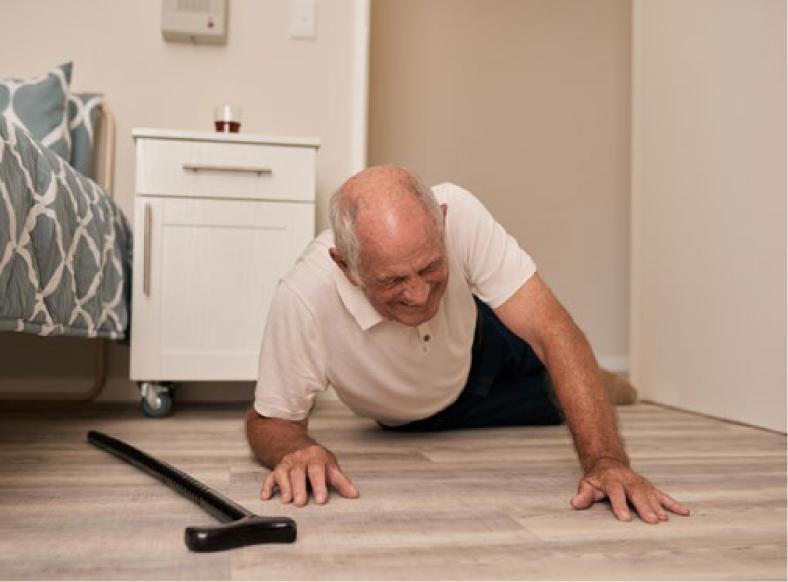
© Goodboy Picture Company | Getty Images
Most of our instinctive actions when we start to fall are more likely to get us hurt. You can't always avoid a fall, but you can reduce the injury it may cause.
Plan for a soft landing
Simple trips over curbs or small objects - often our own shoes or clothing - are common occurrences. Aside from taking the steps to prevent them, when you feel yourself going down, you can take control of your fall. Fall prevention courses may be available in your community. These courses will show you not only how to prevent falls, but how to fall safely. You can also try the following techniques.
Think of yourself as a pilot and use the two to three seconds going down to actively plan a soft landing:
- Lean forward into the fall - this gives you some control over direction.
- Fall sideways, if possible.
- Aim toward open areas and toward grass or dirt rather than concrete.
- Aim away from other people and away from objects that can cause puncture wounds or fractures.
- Swing your arms sideways to direct your fall. If you land forward, keep your forearms bent to avoid reaching out and fracturing your wrist.
- Turn your shoulder into the fall to protect your head. If you fall backward, tuck your chin to keep your head from hitting the ground.
- Keep your knees bent and your feet down.
- Fall like a sack of beans - relax everything.
- Fall on the soft, fleshy places, like your buttocks and thighs. These areas have more protection and are lower to the ground.
- As you complete the fall, try to roll to your side in a ball. This will spread the impact to reduce injury and stop you from rolling farther.
Falling on ice
Ice presents an especially serious falling hazard, as it is both slippery and a very hard surface to fall on. If you participate in a sport that involves ice, such as skating, hockey, or even skiing, falls are bound to happen.
The rule of accelerated falling on ice is to tuck and roll. If you feel yourself slipping, pull your shoulders together and hug your arms around you so they will protect your head and face from a fall. On ice you will have one added advantage: you are probably dressed for the occasion. Gloves, hats, and puffy coats do a lot of damage control!
About the Reviewer

Howard E. LeWine, MD, Chief Medical Editor, Harvard Health Publishing; Editorial Advisory Board Member, Harvard Health Publishing
Disclaimer:
As a service to our readers, Harvard Health Publishing provides access to our library of archived content. Please note the date of last review or update on all articles.
No content on this site, regardless of date, should ever be used as a substitute for direct medical advice from your doctor or other qualified clinician.