








What is long QT syndrome?
Ask the doctor
Q. After experiencing palpitations and dizziness soon after starting a new medication, I was diagnosed with long QT syndrome. Can you tell me more about this disorder, which I understand can also be genetic?
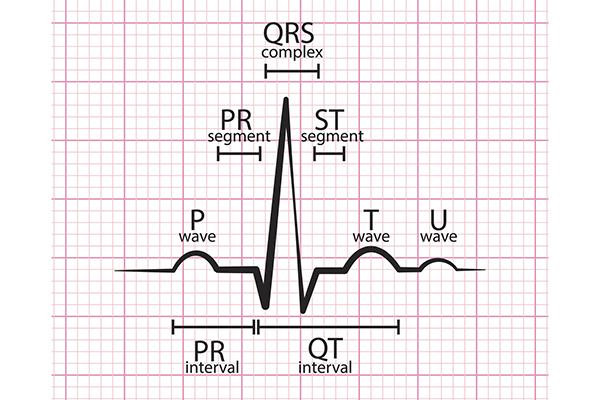
A. Yes, this disorder of the heart’s electrical system can be either acquired (for example, due to a medication) or congenital (inherited). Long QT syndrome refers to the QT interval, the section of an electrocardiogram (ECG, a recording of the heart’s electrical activity) that depicts the activity in the heart’s lower chambers (see illustration).
With every heartbeat, the heart’s muscle cells are busy recharging themselves for the next contraction by moving sodium, potassium, and calcium through tiny pores on their surfaces. In long QT syndrome, these tiny pores don’t work correctly, or an electrolyte imbalance or another condition (such as a heart attack) causes the muscle to take longer than normal to recharge between beats. The resulting delay can disrupt the heart’s carefully choreographed timing.
Most often a long QT interval does not cause symptoms; the heart compensates and continues to beat normally. But sometimes — perhaps because of physical or emotional stress — the delay pushes the heart into a fast, erratic heartbeat that may cause shortness of breath, fainting, and sometimes sudden death.
Acquired long QT syndrome is more common than the congenital form, but the prevalence is difficult to estimate. A 2023 study suggests that women taking antibiotics and antipsychotic medications face the highest risk. But hundreds of commonly prescribed medications can cause long QT syndrome, including some of those used to treat heart disease, diabetes, depression, and allergies. CredibleMeds, a nonprofit organization funded in part by the FDA, provides a complete, updated list (registration is free for noncommercial entities). People who have inherited genetic variants associated with long QT are more likely to develop a drug-induced form of the syndrome. For people with drug-induced long QT syndrome, the QT delay usually disappears once the drug is stopped.
At least one in 2,000 (possibly more) babies are born with congenital long QT syndrome each year. Although researchers have identified several different genes linked to long QT syndrome, mutations in just three of these genes account for up to 90% of inherited cases.
Many people who have inherited long QT syndrome do not have any signs or symptoms and only find out they have the condition because of an ECG done for an unrelated reason. A close review of a person’s medical and family history can help uncover the diagnosis. It’s more likely among people with a history of recurring, unexplained fainting or near-fainting that occurs in response to vigorous exercise or a sudden loud noise. An exercise stress test, which involves further ECG testing, or wearing a portable ECG monitor can also be helpful to confirm the diagnosis.
Image: © stockdevil/Getty Images
Disclaimer:
As a service to our readers, Harvard Health Publishing provides access to our library of archived content. Please note the date of last review or update on all articles.
No content on this site, regardless of date, should ever be used as a substitute for direct medical advice from your doctor or other qualified clinician.