Strong is the new skinny
For women, building muscle has replaced the goal to merely stay slender.
- Reviewed by Elizabeth Matzkin, MD, Contributor
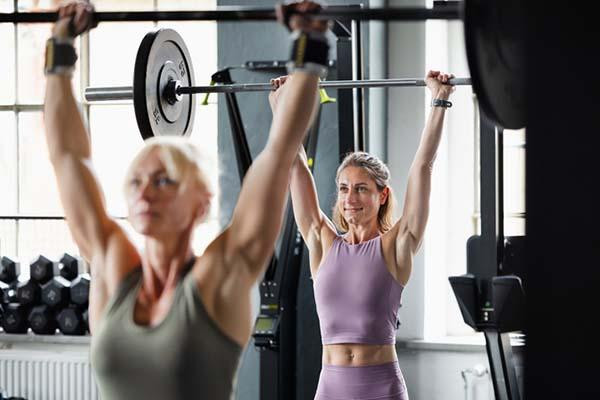
Four decades after the iconic Jane Fonda exercise videos sparked a fitness craze, we've fielded a series of flip-flopping messages about the value of strength training for women.
Although Fonda told women it was okay to have muscles, her videos - rife with svelte figures in bodysuits - didn't contain much strength training, "especially for women in their 40s through 60s," says Dr. Elizabeth Matzkin, chief of Women's Sports Medicine at Harvard-affiliated Brigham and Women's Hospital.
Now, women who once single-mindedly chased smaller jeans sizes are also lifting weights, more aware that cardio marathons might burn calories but don't translate into the muscle strength we need to age more capably. We finally seem to have arrived at a smarter consensus: strong is the new skinny.
The notion doesn't necessarily negate the desire for a lean body, but it does mean putting strength first. "You can be skinny and strong," Dr. Matzkin says. "A more important goal is to maintain that good strength. We need a healthy balance."
From shrinking to strengthening
Fitness ideals have evolved in recent years thanks to several cultural factors, including the rise of social media movements promoting #StrongNotSkinny. These have been reinforced by a growing cadre of prominent female athletes exemplifying that muscle isn't masculine - it's empowering.
"We've had excellent examples of women who are so grateful for their strong, fit bodies," Dr. Matzkin says.
The timing is especially fortuitous for women reaching midlife and beyond. Muscle loss, known as sarcopenia, begins in our late 30s, accelerating in our 40s, 50s, and later decades. But strength training exercises counteract that process and also support
- bone density
- joint stability
- balance
- mobility
- posture
- weight control
- blood sugar control
- mood
- confidence.
All of these benefits can help us live longer and better, Dr. Matzkin says. Strength training, also known as resistance training, has been shown to decrease the odds of dying early and improve mental health, as well as help you stay more functionally independent as you age, she says. "This may not be as important to a 40- or 45-year-old, but it's really important to a 70-year-old."
Blasting misconceptions
Embracing a strong-not-skinny mindset requires discarding a set of myths that have held many women back for decades. For instance:
"Lifting weights will make me bulky, like a man." For most women, muscle adds tone and strength, not appreciable size. "Strength training doesn't mean you have to bulk up," Dr. Matzkin says.
"Cardio is enough." While cardio keeps the heart healthy, weight training is the glue that keeps us strong enough to function optimally. Wearing a weighted vest while walking is fine, but isn't the full answer. "Running, biking, and pickleball are good for strength and health, but they don't take the place of focused strengthening," Dr. Matzkin says.
Pushing back against these misconceptions isn't as big a lift for younger women, she notes. The collegiate athletes Dr. Matzkin works with - as well as her own three daughters - "thoroughly understand the benefits of strength training, more than our generation had."
Weight training tips
One rule of thumb is that doing resistance training on two days each week is sufficient. But if you're new to strength workouts, Dr. Matzkin offers this additional advice.
Start small. Setting bite-sized goals can help your body and brain adjust to a new regimen. "Aim to do 10 push-ups, or hold a plank for 30 seconds," she says.
Pace yourself. Progress slowly by adding weight or increasing the number of repetitions (called reps). "Ideally, you want to lift heavier weights, but what counts as heavy is not the same for everyone. It can be 10 pounds for me or 40 pounds for you," she says. "But you want to lift to the point where six to eight reps is challenging."
Try body-weight exercises. Squats and lunges not only strengthen your muscles, but also keep you limber and mimic everyday movements that can help keep you independent longer. "You don't have to get very complex," she says.
Join in. Community-based fitness classes - such as weight lifting for women - can offer valuable guidance, support, and accountability as you establish a new routine.
Keep setting bigger goals. It doesn't matter what your objectives are, as long as you consistently reach for more. "If people stick with it long enough, they will start to realize that the days they do the training, they feel better," Dr. Matzkin says.
Try these strength training exercisesSeated bridge
Kneeling plank
Illustration by Matthew Holt; photo by Michael Carroll |

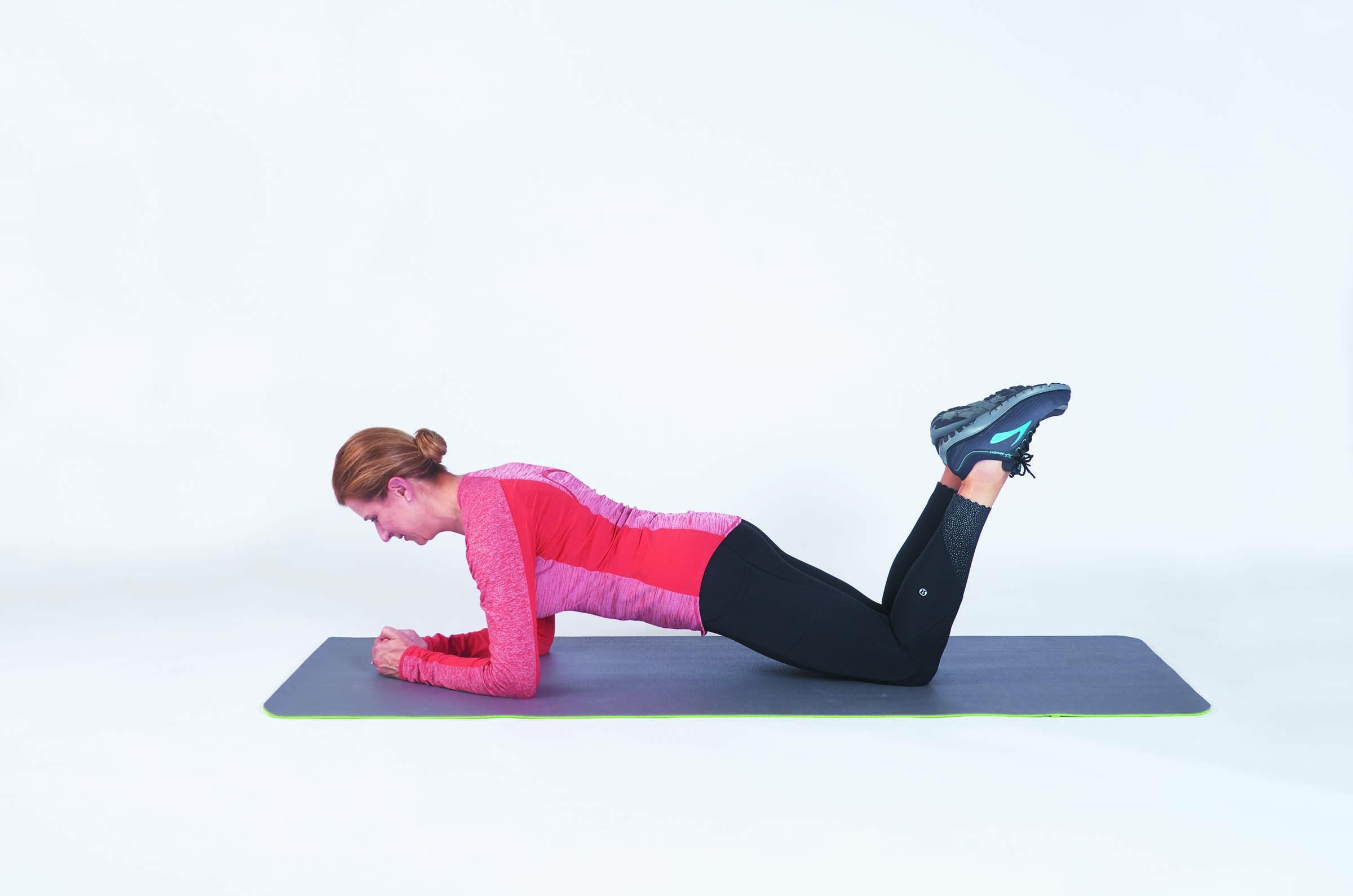
Image: © Tom Werner/Getty Images
About the Author

Maureen Salamon, Executive Editor, Harvard Women's Health Watch
About the Reviewer

Elizabeth Matzkin, MD, Contributor
Disclaimer:
As a service to our readers, Harvard Health Publishing provides access to our library of archived content. Please note the date of last review or update on all articles.
No content on this site, regardless of date, should ever be used as a substitute for direct medical advice from your doctor or other qualified clinician.