










Easing the emotional burden of IBS
Irritable bowel syndrome can trigger stress, anxiety, and depression. Treatments that target the gut-brain connection may help.
- Reviewed by Daniel Stein, MD, MPH, Contributor
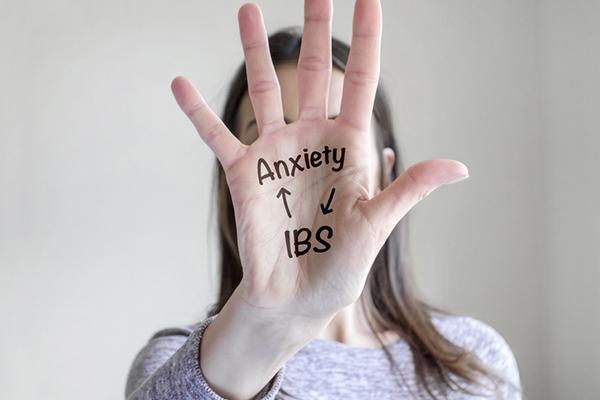
While the exact cause of irritable bowel syndrome (IBS) is unknown, the condition is quite real. IBS, the most common digestive disorder, causes abdominal pain, bloating, constipation, diarrhea, and problems with bowel movements.
But IBS can also have a profound effect on a person's emotional and mental health. A 2023 study involving more than 1.2 million IBS patients found that 38% had anxiety and approximately 27% were diagnosed with depression. People with IBS were more than two times more likely to have anxiety or depression compared with the general population, according to the researchers.
Gut-brain connection
The physical and emotional symptoms of IBS are linked through the gut-brain axis, the superhighway of nerves that connects the two. "Problems with the gut can cause problems in the brain and vice versa," says Dr. Daniel J. Stein, a gastroenterologist with Harvard-affiliated Brigham and Women's Hospital. "Managing the physical symptoms is usually the focus with IBS, but the emotional issues also need attention."
What are the best strategies for managing stress, anxiety, and depression associated with IBS? The strongest evidence is for cognitive behavioral therapy and gut-directed hypnotherapy. "These are considered first-line treatments," says Dr. Stein. Here's a look at each.
Cognitive behavioral therapy (CBT). A therapist who specializes in CBT teaches you to be aware of negative thoughts and behaviors, and then helps you modify your responses to stressful situations. For example, a person with IBS might feel anxious about going out in public for fear of experiencing a flare-up and not being able to find a bathroom. Using CBT, they can develop coping skills like deep breathing and muscle relaxation techniques to calm down and change their thinking from "I won't be able to find a bathroom" to "I've gone out many times before with no issues and will again."
You can also learn CBT techniques with apps. There are many available, so speak with your therapist for a recommendation.
Gut-directed hypnotherapy. A therapist eases you into a state of deep relaxation and uses guided imagery and suggestion to reprogram your subconscious responses to stress. Hypnotherapy can help alter how your mind and body react to emotional triggers that activate physical symptoms.
As with CBT, apps also may prove helpful. A study published in the February 2025 issue of The American Journal of Gastroenterology found that people with IBS who completed 42 daily sessions with the gut-directed hypnotherapy app Nerva reported less pain and improved quality of life compared with other patients who received educational materials about CBT and relaxation techniques.
Additional options
Other therapies and interventions have been shown to help manage general stress, anxiety, and depression, although their effectiveness for IBS patients is mixed. "These fall under the category of 'they won't hurt, and they might help,'" says Dr. Stein.
Aerobic exercise. Exercise reduces stress hormone levels and increases the release of feel-good brain chemicals such as endorphins and dopamine. A 2023 study found that people with IBS who participated in a 12-week program of moderate-intensity walking three days a week reported having less anxiety and depression related to bloating and abdominal pain.
Acupuncture. A practitioner inserts hair-thin needles into specific points on the body. The theory is that this releases blocked energy, allowing the body's nervous system to run smoothly. An analysis published online Jan. 27, 2025, by the International Journal of Behavioral Medicine looked at 29 trials involving people with IBS and found that compared with other therapies, acupuncture significantly improved quality of life and lessened anxiety and depression.
Yoga. Yoga's combination of gentle poses, breath work, and meditation helps to activate the body's relaxation response. Yoga therapy is commonly used for managing chronic pain and mental health; however, research shows mixed results for people with IBS. An analysis of 11 studies published in the December 2025 issue of The American Journal of Gastroenterology found that yoga did not significantly reduce symptoms or alleviate depression or anxiety in people with IBS. Yet, a scientific review published online Oct. 18, 2025, by Comprehensive Physiology reached the opposite conclusion, suggesting that yoga could have a benefit in these areas.
Biofeedback. Biofeedback can lead to better control of certain physiological reactions - such as increased muscle tension, blood pressure, and heart rate - elicited by stress. Researchers are studying whether IBS-induced emotional issues can improve with biofeedback. A small pilot study published in the February 2025 issue of Stress & Health found that heart rate variability biofeedback (a type of biofeedback that uses real-time heart beat data to help people regulate their breathing) reduced stress and feelings of helplessness in people with IBS.
Image: © gerenme/Getty Images
About the Author

Matthew Solan, Former Executive Editor, Harvard Men's Health Watch
About the Reviewer

Daniel Stein, MD, MPH, Contributor
Disclaimer:
As a service to our readers, Harvard Health Publishing provides access to our library of archived content. Please note the date of last review or update on all articles.
No content on this site, regardless of date, should ever be used as a substitute for direct medical advice from your doctor or other qualified clinician.


