

People who walk more or walk faster live longer, study finds

For sleep apnea, a dental device may be as effective as CPAP

Rosacea treatments: What works?

Carb cycling: What is it, and does it work?

Understanding orthorexia: Have your healthy eating goals gone too far?

Salmonella, E. coli, Cyclospora, and other germs that cause food poisoning: What you need to know

Melatonin or magnesium: Can either supplement help you sleep?

Naturally gluten-free foods

Shingrix shingles vaccine linked with lower heart disease risks

Harvard study: Healthier fats linked to longer life after prostate cancer diagnosis
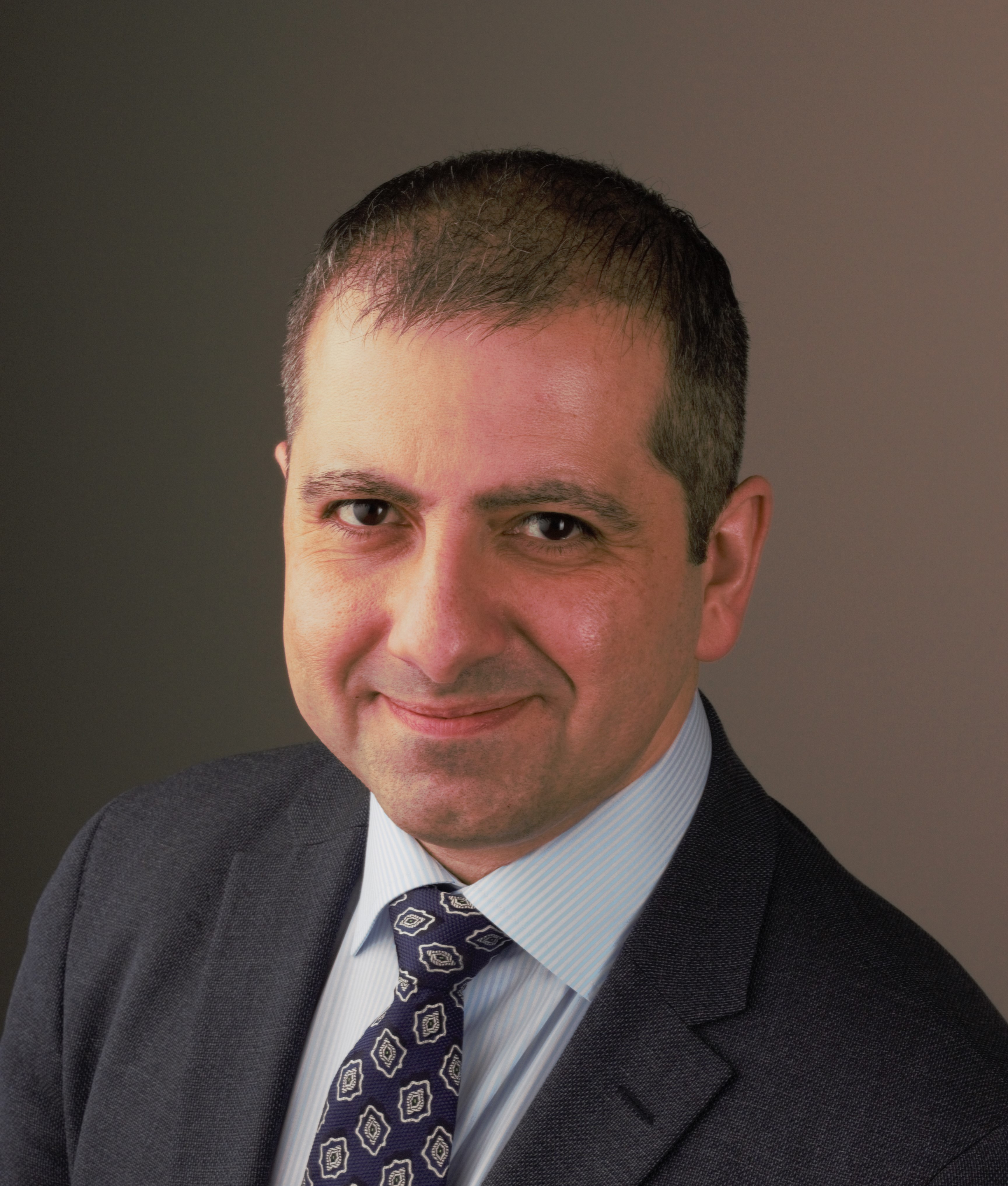
Sait Ashina, MD
Contributor
Dr. Sait Ashina is an assistant professor of neurology and anesthesia at Harvard Medical School, and a director of the Comprehensive Headache Center at Beth Israel Deaconess Medical Center in Boston, MA. He is a diplomate of the American Board of Psychiatry and Neurology, and a diplomate in Headache Medicine of the United Council for Neurological Subspecialties. He is a member of the education committee of the International Headache Society. Dr. Ashina also served as a member of the International Headache Society's headache classification subcommittee for the third edition of the International Classification of Headache Disorders. His research interests include epidemiology of headache and chronic pain, quantitative sensory testing, human pain models, muscle pain, the role of photophobia in migraine pathophysiology, vestibular migraine, and structural brain lesions in migraine.
Posts by Sait Ashina, MD

Mind & Mood
How can mindfulness practices help with migraine?

Headache and migraine
Stopping the vicious cycle of rebound headaches
People who walk more or walk faster live longer, study finds
For sleep apnea, a dental device may be as effective as CPAP
Rosacea treatments: What works?
Carb cycling: What is it, and does it work?
Understanding orthorexia: Have your healthy eating goals gone too far?
Salmonella, E. coli, Cyclospora, and other germs that cause food poisoning: What you need to know
Melatonin or magnesium: Can either supplement help you sleep?
Naturally gluten-free foods
Shingrix shingles vaccine linked with lower heart disease risks
Harvard study: Healthier fats linked to longer life after prostate cancer diagnosis

