

Using a vibration plate: What it can — and can't — do for your body

The surprising link between ovarian cancer and the fallopian tubes

People who walk more or walk faster live longer, study finds

For sleep apnea, a dental device may be as effective as CPAP

Rosacea treatments: What works?

Carb cycling: What is it, and does it work?

Salmonella, E. coli, Cyclospora, and other germs that cause food poisoning: What you need to know

Melatonin or magnesium: Can either supplement help you sleep?

Understanding orthorexia: Have your healthy eating goals gone too far?

Naturally gluten-free foods
Bones and joints Archive
Articles

Are you at risk for osteoarthritis?
Osteoarthritis, the most common form of arthritis, occurs when protective cartilage inside a joint wears down. This type of arthritis is unheard of in children and is rare in young adults, but often occurs in older people and people who are overweight. Because of this, osteoarthritis was long considered a natural product of aging and everyday wear and tear on joint cartilage.
However, many experts now believe the cause is much more complex. External factors, such as injuries, can set the stage for osteoarthritis, but how fast it progresses and how severe it becomes depends on a number of factors. Here are just a few factors that can increase your osteoarthritis risk.

Arthritis drugs do little for sufferers’ mental health
In the journals
Many people with rheumatoid arthritis (RA) also deal with ongoing depression and anxiety related to their pain and disability. While drugs used to treat the disease help alleviate the joint pain and stiffness, a recent study suggests they may not extend to improving patients' mental health.
The findings, published online June 6, 2018, by Arthritis & Rheumatology, reviewed more than 70 clinical trials and found only a small association between various drugs used for RA, such as adalimumab (Humira), rituximab (Rituxan), abatacept (Orencia), and tocilizumab (Actemra), and mental health outcomes in patients.
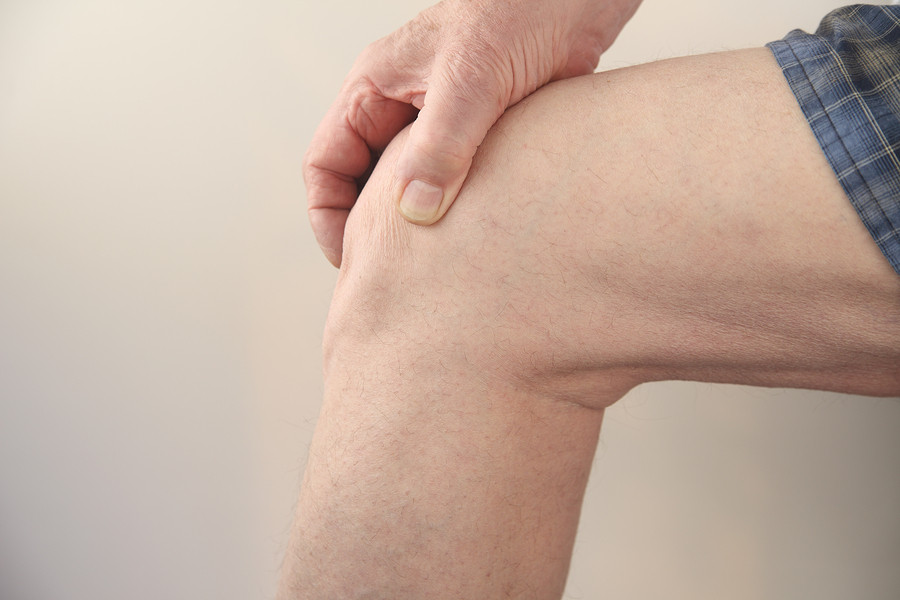
4 ways to put off joint replacement
A desire to stay active and a natural aversion to pain send nearly 800,000 Americans to orthopedic surgeons each year for a hip or knee replacement. And we're seeking these operations much earlier in life. According to Dr. Scott Martin, associate professor of orthopedic surgery at Harvard Medical School, this isn't a healthy trend. "A lot of joint replacements are being done because they can be," says Dr. Martin.
Every surgical procedure carries the risk of complications — or even death. Because the average joint that's replaced only lasts 10 to 15 years, having the procedure done at age 50 instead of 70 means there's a good chance you'll need a second procedure when you're older and at higher risk for complications.

Exercises for pain free hands
Your hands perform countless small and large tasks each day—from pouring coffee, brushing teeth, and buttoning shirts to raking leaves or kneading bread.
But aching hands can transform the simplest task into a painful ordeal. Hands can hurt for a variety of reasons, from the mechanical to the neurological. Arthritis—which affects one in five American adults—and other persistent joint problems are by far the most common cause of hand pain and disability.

A Harvard Medical School doctor answers a question about hand cramps
Q: I have strong hand cramps that curl my fingers into a claw shape. I can only straighten them by using my other hand. What can I do to keep this from happening?
A: What you describe sounds like carpal spasm. Spasms, or cramps, are involuntary muscle contractions. The most common causes of spasms are overused muscles (in the hands that might be due to writing or typing) and dehydration. Other causes of muscle cramping include low levels of calcium and magnesium.


The surprising side effects from using technology
Repetitive motion and poor posture can lead to aches and pains.
Image: © Johnny Greig/Getty Images
You've mastered the art of texting, emailing, and web surfing on your smartphone and computer. But along with that digital prowess, you've picked up an unexpected side effect.
"We get a number of patients who develop injuries from these activities," says Dr. Tamara Rozental, an orthopedic surgeon who specializes in hand, wrist, and elbow disorders at Harvard-affiliated Beth Israel Deaconess Medical Center.

Don’t allow arthritis to keep you from exercising
News briefs
Image: © adamkaz/Getty Images
Exercise is considered the most effective pill-free treatment to cope with the pain and stiffness of arthritis. And more people are getting advice from their health care providers about how to stay active, according to a study published online Jan. 5, 2018, by the CDC's Morbidity and Mortality Weekly Report. Researchers looked at national health surveys gathered from 2002 to 2014. In that period, there was an increase in the proportion of people with arthritis (osteoarthritis, rheumatoid arthritis, gout, lupus, or fibromyalgia) who said their clinician suggested physical activity to help reduce symptoms — from 52% in 2002 to about 60% in 2014. But by 2014, about 40% of arthritis sufferers still said they weren't getting exercise counseling. That's significant, considering that 91 million people ages 18 or older are affected by arthritis, according to a study published online Nov. 27, 2017, by Arthritis & Rheumatology. You don't have to wait for a doctor to suggest exercise as an arthritis treatment. Try something gentle, like walking, tai chi, or modified yoga. For more ideas, check out the Harvard Special Health Report The Joint Pain Relief Workout (www.health.harvard.edu/jprw).

Smart joint strategies for keeping you moving well
Understanding risk and modifying your activities can cushion your joints from damage.
Image: © FatCamera/Getty Images
Joints are a little bit like couch cushions. Over time, the padding between your bones, called cartilage, gets worn out and flattens down — a condition known as osteoarthritis. Unfortunately, dealing with worn joints is not as simple as fixing or replacing a couch. And whether your joints wear out may not be entirely in your control.
"Unfortunately, a lot of your risk depends on your genes," says Dr. Scott Martin, an orthopedic surgeon and associate professor of orthopedic surgery at Harvard Medical School. "If you have a history of arthritis in your family, you may get arthritis in your lifetime. That's one factor you can't control." Dr. Martin is the faculty editor for the Harvard Special Health Report Knees and Hips (www.health.harvard.edu/knees).
Using a vibration plate: What it can — and can't — do for your body
The surprising link between ovarian cancer and the fallopian tubes
People who walk more or walk faster live longer, study finds
For sleep apnea, a dental device may be as effective as CPAP
Rosacea treatments: What works?
Carb cycling: What is it, and does it work?
Salmonella, E. coli, Cyclospora, and other germs that cause food poisoning: What you need to know
Melatonin or magnesium: Can either supplement help you sleep?
Understanding orthorexia: Have your healthy eating goals gone too far?
Naturally gluten-free foods
Free Healthbeat Signup
Get the latest in health news delivered to your inbox!
Sign Up
