

Using a vibration plate: What it can — and can't — do for your body

The surprising link between ovarian cancer and the fallopian tubes

People who walk more or walk faster live longer, study finds

For sleep apnea, a dental device may be as effective as CPAP

Rosacea treatments: What works?

Carb cycling: What is it, and does it work?

Salmonella, E. coli, Cyclospora, and other germs that cause food poisoning: What you need to know

Melatonin or magnesium: Can either supplement help you sleep?

Understanding orthorexia: Have your healthy eating goals gone too far?

Naturally gluten-free foods
Bones and joints Archive
Articles

Is osteoarthritis reversible?
Ask the doctors
Q. I recently started experiencing a lot of pain in my hand from osteoarthritis. Can I reverse this condition?
A. You can't reverse osteoarthritis, but there are things you can do to manage your pain and improve your symptoms. Osteoarthritis occurs when the protective cartilage that acts as cushioning between your bones starts to fray and wear down over time. Eventually this enables the bones to rub together, which causes the pain you are experiencing as well as swelling and stiffness that makes it difficult to move your hand freely. Typically, when you have arthritis, the pain and symptoms will be worse at some times than at others. You may experience a flare-up one day and feel better the next. To help reduce the discomfort of a flare-up, talk to your doctor about medication to relieve pain. She or he may recommend an over-the-counter pain reliever. Some people also get symptom relief using a topical pain reliever that is rubbed into the skin. Other strategies that can ease pain are splints or braces, heat or cold therapy, activity modification, and exercises or physical therapy to increase flexibility and strengthen your hand muscles.
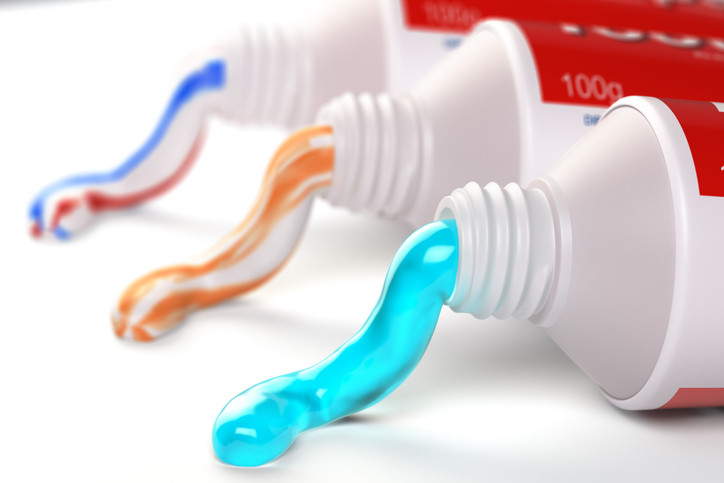
Good for your teeth, bad for your bones?
Could an ingredient in toothpaste be harmful to your bones? Triclosan, an antibacterial agent, has been banned from soaps and hand sanitizers by the FDA, and researchers have found that women with the highest levels of triclosan in their urine had low bone density measurements.
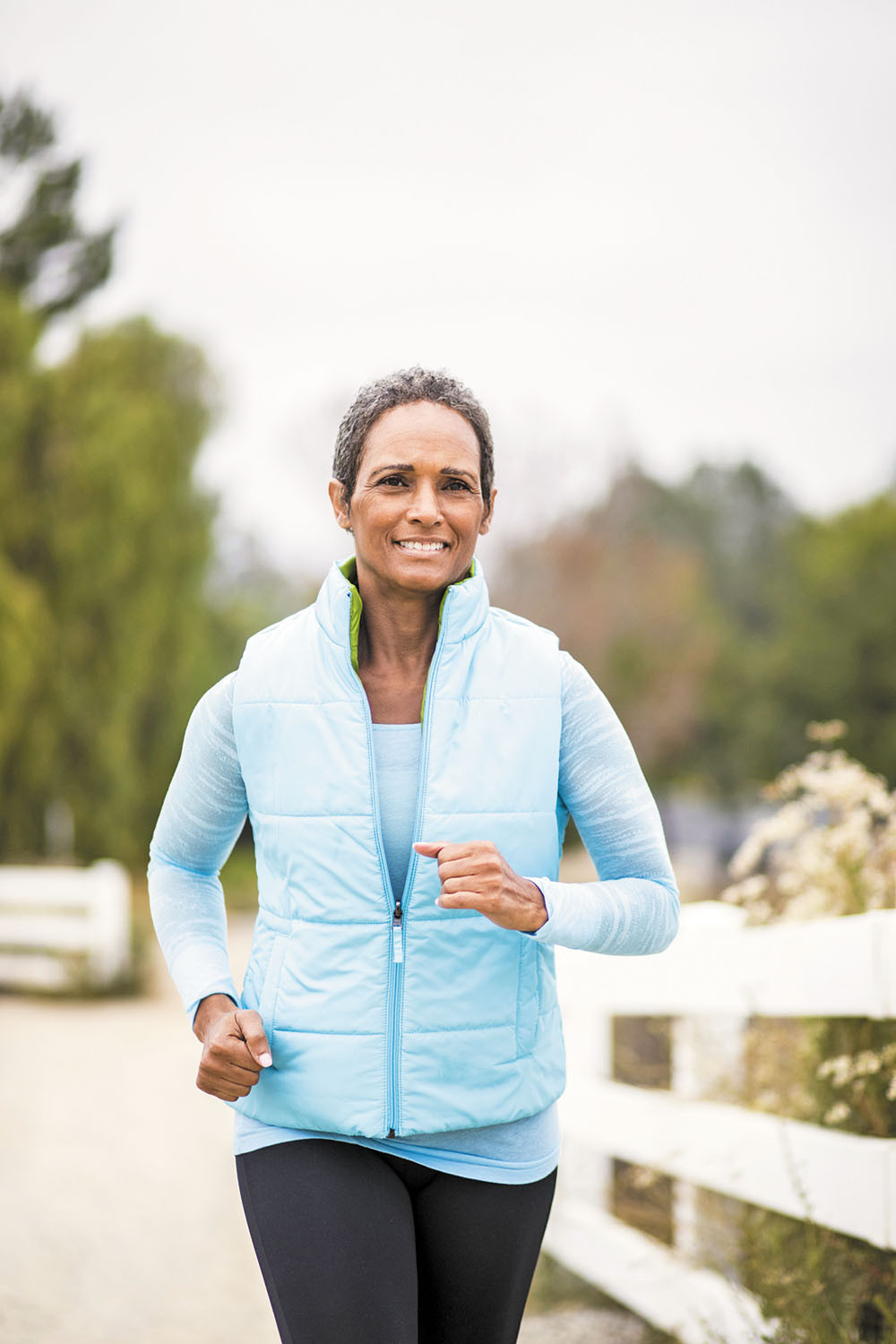
Can I do anything to prevent osteoporosis?
Ask the doctors
Q. I know that osteoporosis is linked to hereditary factors that I can't change. But are there things I can do to reduce my risk?
A. It's true that many risk factors for osteoporosis, such as your sex, age, and genes, are not things you can change. But there are things you can do to improve your bone health. This includes adopting a healthy diet that is rich in calcium and getting enough vitamin D, which can help maintain and improve bone health. Regular exercise can also help strengthen your bones or prevent bone loss. In particular, activities that put stress on your bones, such as jumping, running, and weight-bearing exercises, can stimulate bone cells to produce proteins that bolster bone strength. In children, these activities can actually increase bone density. While adults don't gain the same degree of benefit that kids do, exercise can still have moderate effects on bone, helping to maintain strength that might otherwise be lost. To further protect bone health, cut down on unhealthy habits, such as smoking or drinking excess amounts of alcohol. If you have risk factors for osteoporosis, you might also want to talk to your doctor about whether any of your medications might be harming your bone health.

Helpful or harmful? Weighing last resorts before knee surgery
You've tried nearly everything for your worn-out knee. But the remaining possibilities may include some risky options.
Knee osteoarthritis affects about half of us in older age. The cartilage that acts as a cushion between the bones wears away, and it hurts when the bones grind against each other. In many people, arthritis can become severe enough that they consider a knee replacement. Since surgery is an expensive and complicated option, you may wonder what else you can do to reduce knee pain. Beware: some treatments are bogus and even dangerous.
Stay away from these
The first sign that a knee pain treatment isn't the best choice: an ad promising that it's the surefire solution.


Why weight matters when it comes to joint pain
If you're having the occasional twinge of joint pain when you go for a walk or climb stairs, or you're worried about arthritis because a parent had it, one step toward prevention is to check your weight.
There are two ways that being overweight raises your risk for developing osteoarthritis (the most common joint disorder, which is due to wear and tear on a joint). First, excess weight puts additional stress on weight-bearing joints (the knee, for example). Second, inflammatory factors associated with weight gain might contribute to trouble in other joints (for example, the hands).

Pain relievers: A cause of higher heart risk among people with arthritis?
Research we're watching
To manage the painful joint disease known as osteoarthritis, people often take ibuprofen (Advil, Motrin) and naproxen (Aleve, Anaprox). But these and related drugs — known as NSAIDs — may account for the higher rates of heart disease seen in people with osteoarthritis, a new study suggests.
Researchers matched 7,743 people with osteoarthritis with 23,229 healthy people who rarely or never took NSAIDs. People with osteoarthritis had a 42% higher risk of heart failure and a 17% higher risk of coronary artery disease compared with healthy people. After controlling for a range of factors that contribute to heart disease (including high body mass index, high blood pressure, and diabetes), they concluded that 41% of the increased risk of heart disease related to osteoarthritis was due to the use of NSAIDs.
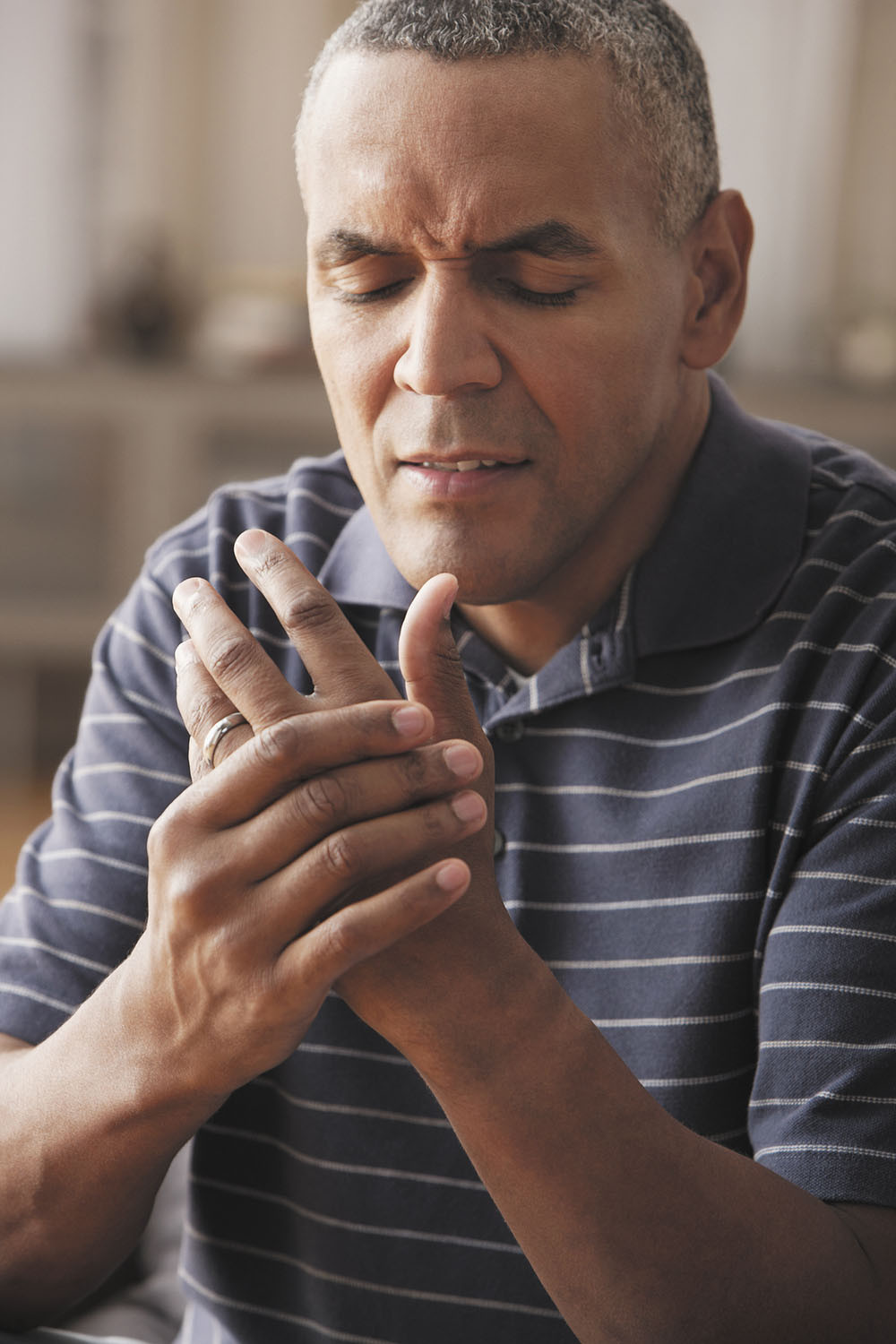
Getting a grip on hand osteoarthritis
Can you do anything about hand and finger joint pain?
Everyone experiences the occasional painful hands and sore fingers, but when osteoarthritis strikes, it can put a hold on many aspects of your life.
"As osteoarthritis progresses, you may lose some hand mobility, like the ability to grasp and hold objects," says Dr. Robert Shmerling, clinical chief of rheumatology at Harvard-affiliated Beth Israel Deaconess Medical Center and senior faculty editor at Harvard Health Publishing. "Over time, osteoarthritis can make the joints deformed, so it's harder to open and close your hands."
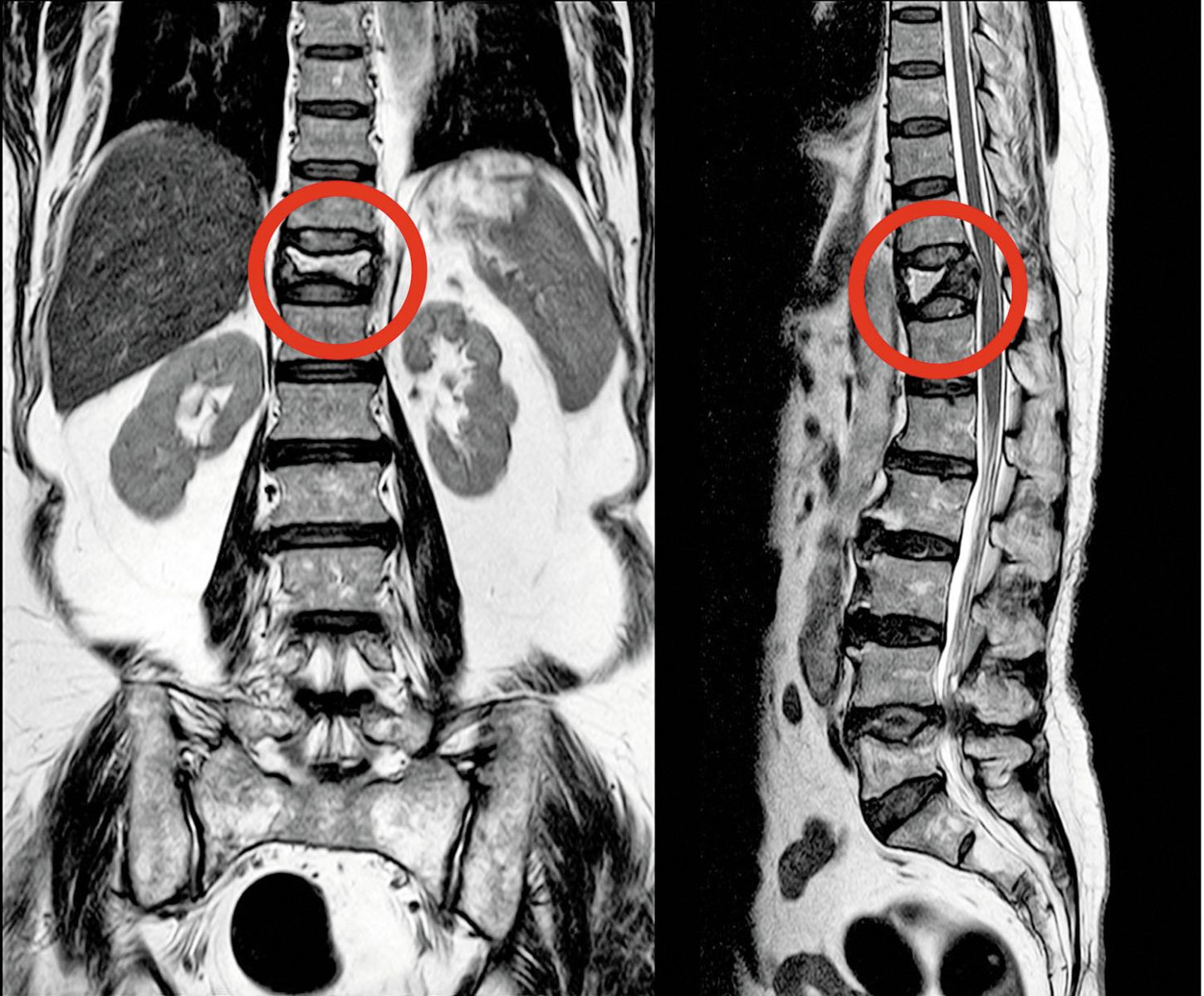
A broken back without the fall
Don't ignore back pain, height loss, or osteoporosis. They could be signs of a compression fracture.
You didn't fall, and you didn't do anything strenuous. So it may come as a surprise when the bad back pain you've been experiencing turns out to be one or more broken bones in your back. "A common story is that someone bends down to put something in the dishwasher or steps off a curb a little hard and puts additional load on their spine. The weakened bone is not adequate to take that load, and it collapses," says Dr. Julia Charles, a rheumatologist and bone cell researcher at Harvard-affiliated Brigham and Women's Hospital.
What weakens the spine?
Your spine contains about 30 bones called vertebrae, stacked on top of each other like a roll of quarters. Each vertebra consists of an external bone surface (like plaster), and an inside filled with a honeycomb of support rods called trabeculae.
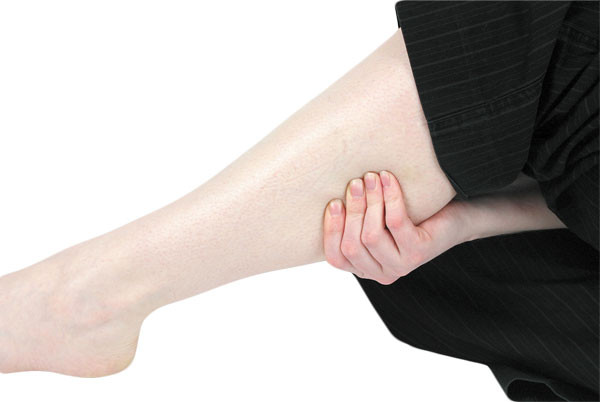
Will tonic water prevent nighttime leg cramps?
Ask the doctor
Image: Karl Rosencrants/ Thinkstock
Q. It's been suggested that drinking 2 to 3 ounces of tonic water before bedtime can prevent leg cramps at night. Is that true?
A. Tonic water—and the quinine it contains—have been promoted for preventing leg cramps for decades despite the lack of evidence that they are effective. Quinine is FDA-approved only for treating malaria and is sold with a warning against using it to treat leg cramps or muscle pain, because it increases the risk of bleeding and heart rhythm disturbances. Tonic water contains no more than 83 mg of quinine per liter—a much lower concentration than the 500 to 1,000 mg in the therapeutic dose of quinine tablets. Drinking a few ounces of tonic water shouldn't be harmful, but it isn't likely to prevent your leg cramps.
Using a vibration plate: What it can — and can't — do for your body
The surprising link between ovarian cancer and the fallopian tubes
People who walk more or walk faster live longer, study finds
For sleep apnea, a dental device may be as effective as CPAP
Rosacea treatments: What works?
Carb cycling: What is it, and does it work?
Salmonella, E. coli, Cyclospora, and other germs that cause food poisoning: What you need to know
Melatonin or magnesium: Can either supplement help you sleep?
Understanding orthorexia: Have your healthy eating goals gone too far?
Naturally gluten-free foods
Free Healthbeat Signup
Get the latest in health news delivered to your inbox!
Sign Up
