

Using a vibration plate: What it can — and can't — do for your body

The surprising link between ovarian cancer and the fallopian tubes

People who walk more or walk faster live longer, study finds

For sleep apnea, a dental device may be as effective as CPAP

Rosacea treatments: What works?

Carb cycling: What is it, and does it work?

Salmonella, E. coli, Cyclospora, and other germs that cause food poisoning: What you need to know

Melatonin or magnesium: Can either supplement help you sleep?

Understanding orthorexia: Have your healthy eating goals gone too far?

Naturally gluten-free foods
Bones and joints Archive
Articles

Age-proof your knees
Improving range of motion, muscle strength, and weight control can help reduce pain and make your knees feel younger.
Image: © jacoblund/Thinkstock
Knee pain is common in older age, often caused by osteoarthritis (the wearing away of knee cartilage). Fortunately, there are ways to fool Father Time and postpone knee problems or even prevent them entirely. "In many cases, you can delay or avoid the need for surgical intervention, such as a knee replacement," says Dr. Lars Richardson, an orthopedic surgeon with Harvard-affiliated Massachusetts General Hospital.
The aging knee
Your knees absorb a huge amount of pressure with every step — typically one-and-a-half times your body weight. That pressure, plus regular wear and tear, takes a toll over time. Muscles and ligaments get weaker. The knee's two shock absorbers — pads of cartilage called menisci — start to deteriorate. So does the articular cartilage protecting the ends of the leg bones where they meet at the knee. If you have a family history of osteoarthritis, if you're overweight, or if you've had some knee injuries, you may be more prone to this deterioration.

Are cracking joints a sign of arthritis?
On call
Q. My knees have been cracking for a long time, but lately I've noticed my ankles and elbows sometimes crack and pop. Is this a sign of early arthritis?
A. The good news is that the usual painless joint cracking or popping does not represent an early form of arthritis, nor does it cause joint damage (despite what our mothers told us about cracking our knuckles). The cracking sound appears to come from tendons or muscles moving over the joint or from the popping of nitrogen bubbles normally found in the joint space.

Can home remedies help my sciatica?
Ask the doctors
Q. Is there anything I can do at home to ease sciatica pain?
A. Sciatica is a condition that causes pain that radiates down the buttock and the leg. It occurs when one of the two sciatic nerves in your body, which run from your back down to your toes, is compressed or irritated. Most often the problem is triggered by a ruptured disc or arthritis in the lower spine. This condition can be quite painful, but there are some strategies you can use at home to ease your discomfort.
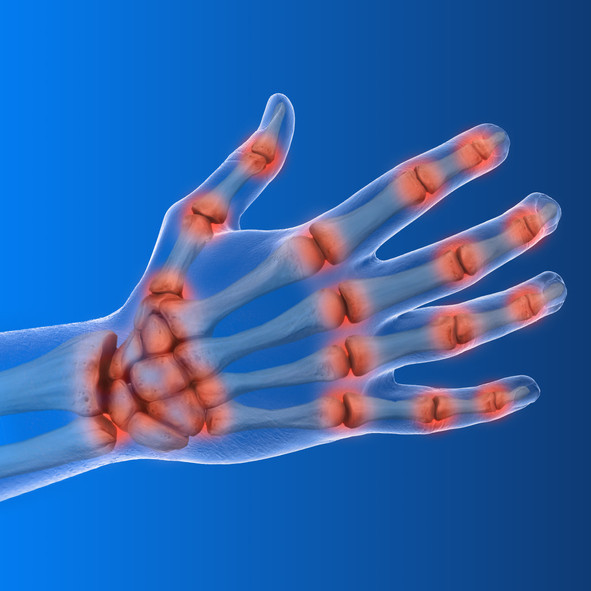
Harvard Health AdWatch: An arthritis ad in 4 parts

Medication may lower future hip fracture risk
In the journals
If you are ever hospitalized for a hip fracture, using an anti-osteoporosis medication may protect you from another bone fracture. A study in the September 2020 issue of Bone examined data on almost 78,000 people ages 50 and older hospitalized with hip fractures. About 10,000 were given anti-osteoporosis medication — usually alendronate (Fosamax) — within one year.
People who began treatment 15 to 84 days after their fracture were less likely to be hospitalized for another kind of fracture in the future compared with people who began treatment later. Those who first took medication after 252 days had the highest risk. The researchers were not able to measure the participants' bone density, so it's possible some people had especially strong or weak bones, which may have influenced the outcome.

Chronic pain linked to higher risk of heart attack and stroke
Research we're watching
People with chronic pain may be more likely to have a heart attack or stroke than those without chronic pain, according to a study published online May 7, 2020, by the journal Pain Medicine.
From 2001 to 2005, researchers identified 17,614 Taiwanese people who had used pain relievers for at least three months. The most common causes of pain were spinal disorders, arthritis, and headaches; the pain relievers included both over-the-counter drugs and prescription opioids. For the comparison group, researchers used 35,228 people without chronic pain who were matched by age and sex to those in the first group.

Eczema is associated with a higher risk of bone breaks
Research we're watching
If you suffer from the common skin condition eczema, you may have a higher risk of breaking a bone compared with someone who doesn't have the condition, according to a study published in the February 2020 issue of The Journal of Allergy and Clinical Immunology. The study authors found that the 500,000 people in the study who had eczema, which causes itchy dry patches on the skin, were 7% to 18% more likely to break a bone in the wrist, hip, pelvis, or spine when compared with more than 2.5 million participants who didn't have the condition. Researchers said it's not clear if this elevated fracture risk was related to the eczema itself or whether other factors caused the association. For example, the increase in risk could have been related to medications people took to treat eczema. Even so, if you have eczema, the study authors say it may be worth asking your doctor whether you might be at increased risk for osteoporosis.
Image: © vadimguzhva/Getty Images

5 Internet recommendations for joint pain: Do they work?
Some ideas seem reasonable, but that doesn't mean they'll help.
People increasingly consult the Internet about medical problems. If you're looking for approaches to relieve joint pain and inflammation caused by wear and tear (osteoarthritis) or an immune system attack (such as occurs in rheumatoid arthritis), you may find methods that sound promising and even sensible. But will they work? Here's advice on five pain relief methods commonly touted on the Internet.
1. Music therapy
Listening to music can evoke powerful emotions that help people relax or heal, which is the basis of music therapy. Research has found that music therapy is associated with less anxiety before surgery or during chemotherapy, and better functioning during physical rehabilitation.


Boning up on osteoporosis
Men need to manage their bone health as much as women do.
Most people think of osteoporosis as a women-only health problem, but older men also need protection from this bone-weakening disease.
About one in four men older than 50 will break a bone because of osteoporosis during his lifetime, according to the National Osteoporosis Foundation. And research has found that compared with women, older men are more likely to die following a fracture related to osteoporosis.
Using a vibration plate: What it can — and can't — do for your body
The surprising link between ovarian cancer and the fallopian tubes
People who walk more or walk faster live longer, study finds
For sleep apnea, a dental device may be as effective as CPAP
Rosacea treatments: What works?
Carb cycling: What is it, and does it work?
Salmonella, E. coli, Cyclospora, and other germs that cause food poisoning: What you need to know
Melatonin or magnesium: Can either supplement help you sleep?
Understanding orthorexia: Have your healthy eating goals gone too far?
Naturally gluten-free foods
Free Healthbeat Signup
Get the latest in health news delivered to your inbox!
Sign Up
