

Naturally gluten-free foods

Harvard study: Healthier fats linked to longer life after prostate cancer diagnosis

Shingrix shingles vaccine linked with lower heart disease risks

Estrogen-only hormone therapy tied to lower dementia risk

Should you have a hysterectomy?

Stair climbing may significantly lower cardiovascular risks

Why do I sweat so much?

Walking pneumonia: The "mild" illness that can still pack a punch

What causes knee pain: How doctors make a diagnosis
Where you carry excess weight matters in predicting heart disease risk
Bones and joints Archive
Articles

Give grip strength a hand
Your ability to grab, hold, twist , and squeeze is essential for many everyday functions.
Image: JannHuizenga/Thinkstock
Think how much you rely on a strong grip every day. It helps you open cans, grip a golf club, hold a steering wheel, brush your teeth, and pick up a grandchild. "The ability to stay active and independent often begins with our hands," says Maria Cole, a physical therapist with Harvard-affiliated Spaulding Outpatient Center. "Weak grip strength can limit your enjoyment of many life pleasures, so you need to ensure your hand and grip strength always are up to the task."
A measure of health
A grip on mobility
Grip strength also may predict your future loss of mobility. A May 2014 study in The Journal of Gerontology Series A: Biological Sciences and Medical Sciences analyzed data from more than 20,000 adults ages 65 and older to evaluate the link between weak grip strength and lack of mobility, in this case slow walking speed.
Among the men in the group, those with a weak grip—less than 26 kg using a dynamometer—were seven times more likely to be facing mobility issues compared with men who had normal grip strength.
You can take steps to improve grip strength and possibly avoid problems down the road. "You need to exercise your hands and wrists just like every other part of your body to keep them strong and supple," says Cole.
Exercise your hands

Can the right shoes relieve knee pain?
It appears that “unloading” shoes are no better at reducing pain or improving function than a good pair of walking shoes, according to a study published online July 12, 2016, by Annals of Internal Medicine.

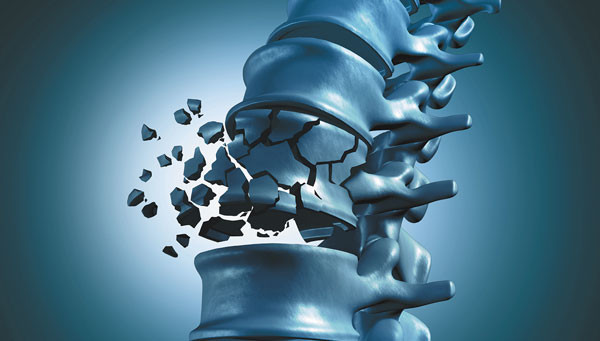
Shunning osteoporosis treatment isn’t a wise decision for most women
Forgoing drugs that slow bone loss to avoid rare side effects can be the wrong decision for your hips and spine.
Image: wildpixel/Thinkstock
A front-page article in the June 1, 2016, edition of The New York Times carried this headline: "Fearing drugs' rare side effects, millions take their chances with osteoporosis." The article described a situation all too familiar to doctors. Women are declining prescriptions of bisphosphonates—drugs that slow the rate at which the body breaks down bone—or discontinuing the medications far earlier than recommended. In fact, according to a 2015 report in the Journal of Bone and Mineral Research, the rate of bisphosphonate use fell by half between 2008 and 2012. That article documented a wave of media coverage of scientific studies that reported two rare side effects—osteonecrosis (bone death) of the jaw and atypical fractures near the top of the femur (thigh-bone)—and suggested that the reports had kindled fears that had led women to abandon bisphosphonates.
"The perception of risk is so much greater than the actual risk," says Dr. Meryl LeBoff, director of the skeletal health and osteoporosis center at Harvard-affiliated Brigham and Women's Hospital. Compared with many other common diseases, we are fortunate that we have good therapies to reduce the risk of osteoporotic fractures by 70% at the spine and 40 to 50% at the hip. She points to statistics referenced in the New York Times article: for every 100,000 women taking a bisphosphonate, fewer than three will have osteonecrosis of the jaw and one will have an atypical femur fracture, but 2,000 will have avoided an osteoporotic fracture.


Unlocking solutions to chronic knee pain
These options may help you find relief from constant discomfort.
Image: Remains/Thinkstock
Knee pain is one of the top reasons men visit their doctor. While the pain and soreness often can go away with rest, ice, and over-the-counter pain medications, if it becomes too severe or fails to abate in a timely manner, you may need to take further action.
"If your knee pain is not a result of some kind of structural or mechanical issue that requires surgery, or due to osteoarthritis, there are other options that may help eliminate or better control the pain," says Dr. Lars Richardson, a sports medicine orthopedic surgeon with Harvard-affiliated Massachusetts General Hospital.

Help for your hands
A few simple exercises can preserve the strength and flexibility of your hands and wrists.
Image: Thinkstock
There's a reason that "having a good grip on the situation" is used as a metaphor for mastery. In physiological testing, grip strength is one of the indicators of health and vitality. Yet, although we may exercise to strengthen our cores and limbs, most of us don't make an effort to strengthen our forearms and our hands. "We use our hands continually, but we don't take the time to deliberately exercise them," says Joanne P. Bosch, a physical therapist and certified hand therapist at Harvard-affiliated Brigham and Women's Hospital.
That said, it's not a good idea to rush out and buy a device promoted for building a "crushing hand grip" or to start squeezing a tennis ball. "Doing the wrong exercise can actually exacerbate some problems, particularly carpal tunnel syndrome," Bosch says.

What Michelangelo’s hands (can and can’t) tell us about arthritis
A recent journal article describes Michelangelo’s hands as depicted in an attempt to figure out potential joint diseases he may have had. Theories suggest some myths and misconceptions about the causes and symptoms of osteoarthritis and gout. This report has implications for today’s medical care. While a picture may tell a story, there is nothing like a thorough, in person exam to know accurately make sense of signs and symptoms.

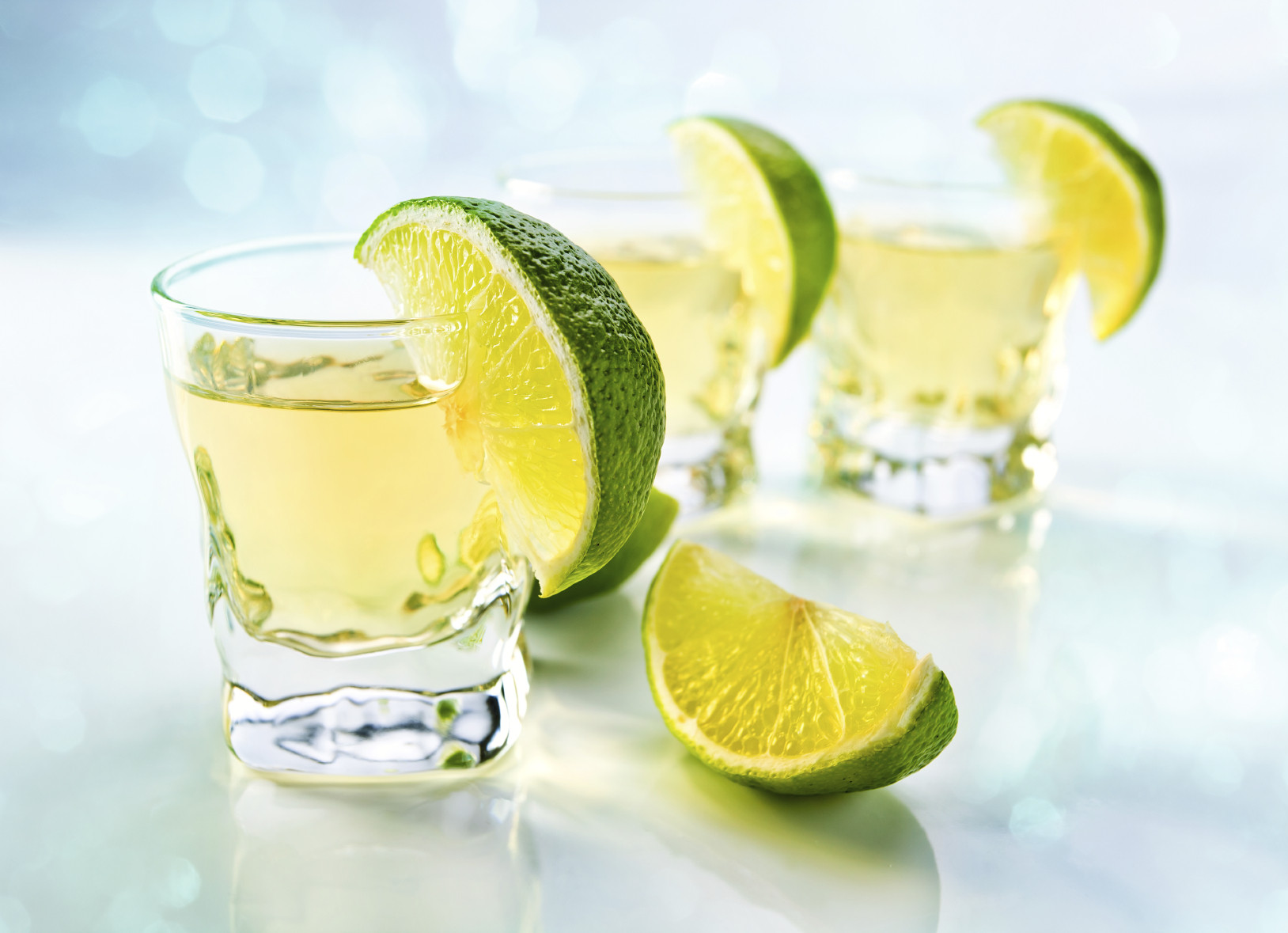
The truth about tequila and your bones
You may have seen the recent headlines proclaiming that tequila is good for bone health. While that sounds appealing to many, the truth is that there are many caveats to the study behind those headlines. This latest story is just one example of news articles that proclaim our favorite foods, like coffee and chocolate, are actually good for us. As with all these stories, it’s important to look deeper than the flashy headline.
Naturally gluten-free foods
Harvard study: Healthier fats linked to longer life after prostate cancer diagnosis
Shingrix shingles vaccine linked with lower heart disease risks
Estrogen-only hormone therapy tied to lower dementia risk
Should you have a hysterectomy?
Stair climbing may significantly lower cardiovascular risks
Why do I sweat so much?
Walking pneumonia: The "mild" illness that can still pack a punch
What causes knee pain: How doctors make a diagnosis
Where you carry excess weight matters in predicting heart disease risk
Free Healthbeat Signup
Get the latest in health news delivered to your inbox!
Sign Up
