

Using a vibration plate: What it can — and can't — do for your body

The surprising link between ovarian cancer and the fallopian tubes

People who walk more or walk faster live longer, study finds

For sleep apnea, a dental device may be as effective as CPAP

Rosacea treatments: What works?

Carb cycling: What is it, and does it work?

Salmonella, E. coli, Cyclospora, and other germs that cause food poisoning: What you need to know

Melatonin or magnesium: Can either supplement help you sleep?

Understanding orthorexia: Have your healthy eating goals gone too far?

Naturally gluten-free foods
Bones and joints Archive
Articles
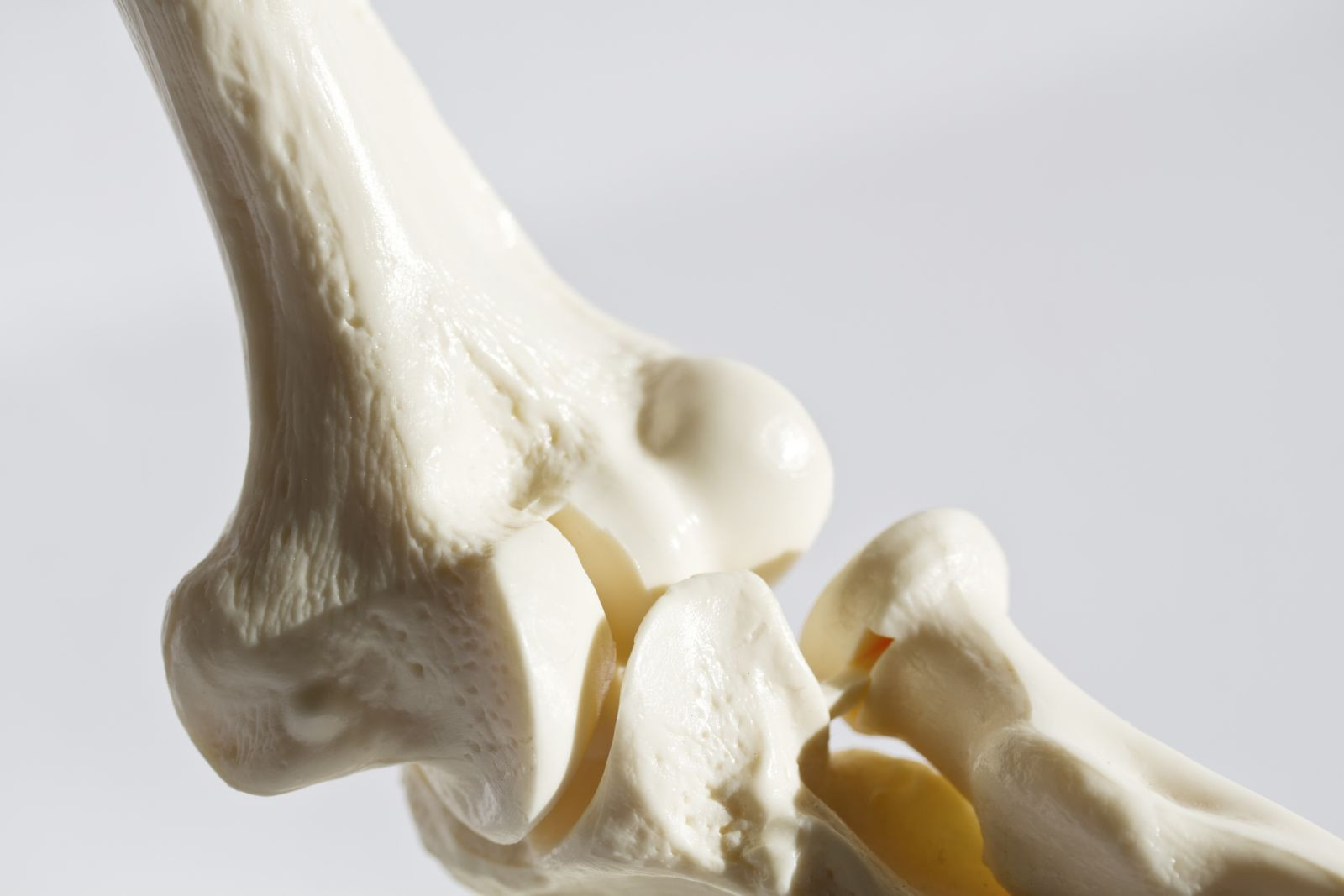
Does osteoporosis cause any symptoms?
Ask the doctors
Q. Is there any way to tell if you are getting osteoporosis? Are there symptoms?
A. Osteoporosis is a disease that causes your bones to become weak and brittle and more likely to break. Unfortunately, you probably won't have any symptoms until the disease is advanced or you actually experience a fracture. However, there are two visible clues of osteoporosis: changes in your posture (such as a hunched-over appearance) and loss of height. Both of these changes may be caused when your spine becomes curved or compressed from weakness or tiny fractures (called compression fractures) in your vertebrae, the small bones that make up your spine.

5 ways to manage arthritis and keep it from slowing you down
Arthritis is a painful problem that can interfere with your ability to do the things you enjoy. But you can take steps to manage arthritis by protecting your joints, reducing discomfort, and improving mobility.
Physical or occupational therapists can be very helpful in teaching you how to modify activities and accomplish daily tasks more easily in order to manage arthritis. But there are simple things you can do for yourself, starting today. Here are five of them:



Can I still run after a hip replacement?
On call
Image: © Ridofranz/Thinkstock
Q. I was an active runner before my hip replacement. Is it okay to return to jogging several times a week?
A. Hip replacements help relieve pain and improve function for people with worn-out hip joints. However, replacement joints also can wear out over time and require what's called a revision surgery. Therefore, activities that may increase stress or wear on the joint are often discouraged.
Steroid injections do little for long-term knee osteoarthritis pain
In the journals
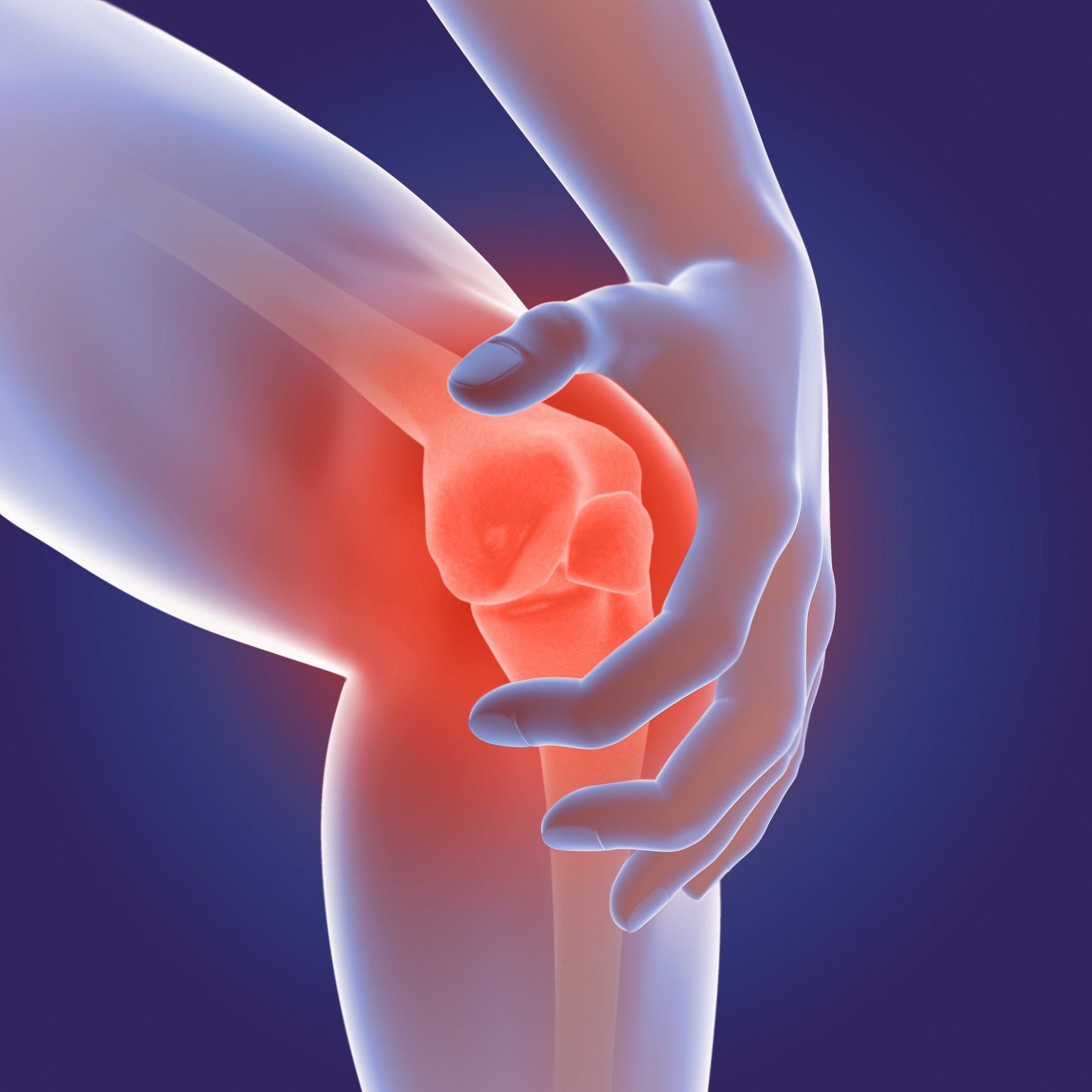
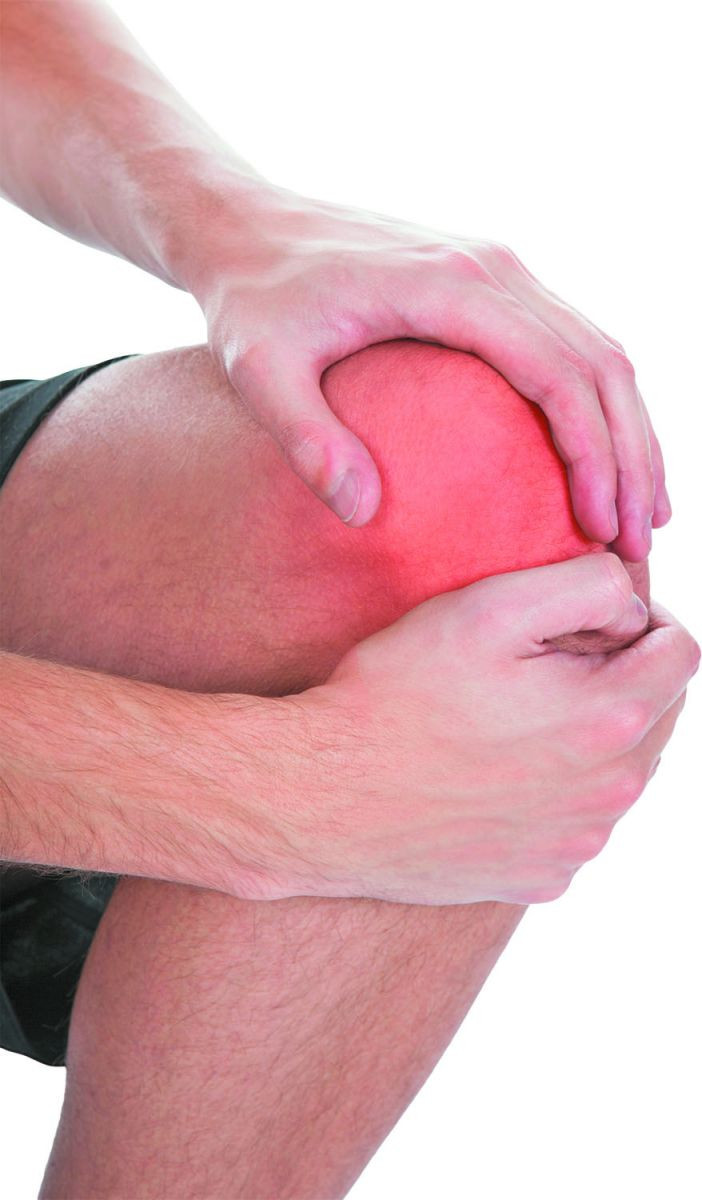
Corticosteroid injections are used to ease short-term knee osteoarthritis pain, but a new study in the May 16, 2017, Journal of the American Medical Association suggests the treatment may not help in the long term.
Researchers recruited two groups of 70 people, average age 58, with knee osteoarthritis. One group received 40 milligrams of the steroid triamcinolone (Kenacort, Kenalog, Artistocort) every three months for two years, while the other group got placebo injections. By the end, pain scores — measured on a scale from zero for no pain to 20 for extreme pain — had dropped by only 1.2 points among the steroid group, while the placebo group's score dropped by 1.9 points, neither of which was clinically significant.
Exercising arthritis pain away
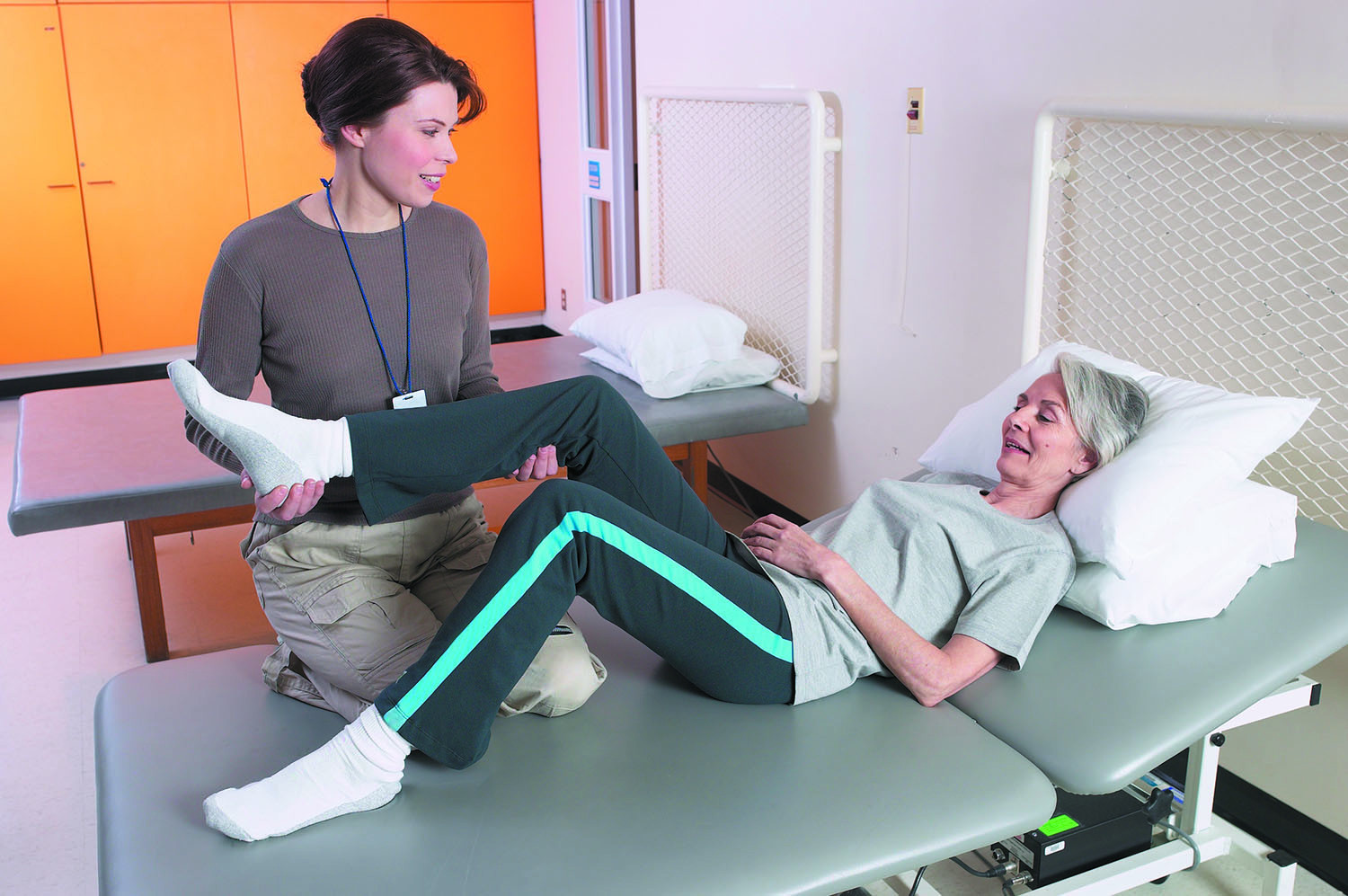
Physical therapy may be an effective alternative to surgery in relieving joint and back pain.
Image: © Hemera Technologies/Thinkstock
Exercising may be the last thing you want to do when you have a sore knee or aching back, but it might be the first thing you should do. Physical therapy has long been recommended following surgery. But for some, trying physical therapy before opting for surgery may be the better choice.
"You may be able to spare yourself the expense, pain, and recovery time of surgery," says physical therapist Karen Weber, clinical supervisor at Harvard-affiliated Spaulding Rehabilitation Outpatient Centers in Braintree and Quincy, Mass.
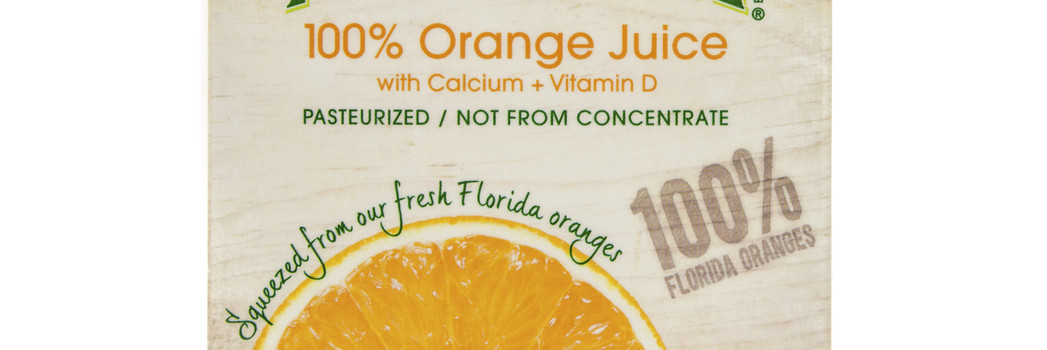
Two keys to strong bones: Calcium and Vitamin D
Image: memoriesarecaptured/Thinkstock
Although bone-weakening osteoporosis is quite common among older people, it isn't an inevitable part of aging. There's a lot you can do to shield your bones from this disease.
The best insurance against osteoporosis is building the highest bone density possible by your 30s and minimizing bone loss after that. But if you you're already in midlife or beyond, there is still much you can do to preserve the bone you have and perhaps even to replace lost bone. Daily weight-bearing exercise, like walking, is the best medicine. Getting enough calcium and vitamin D are two other critical strategies for keeping bones strong.
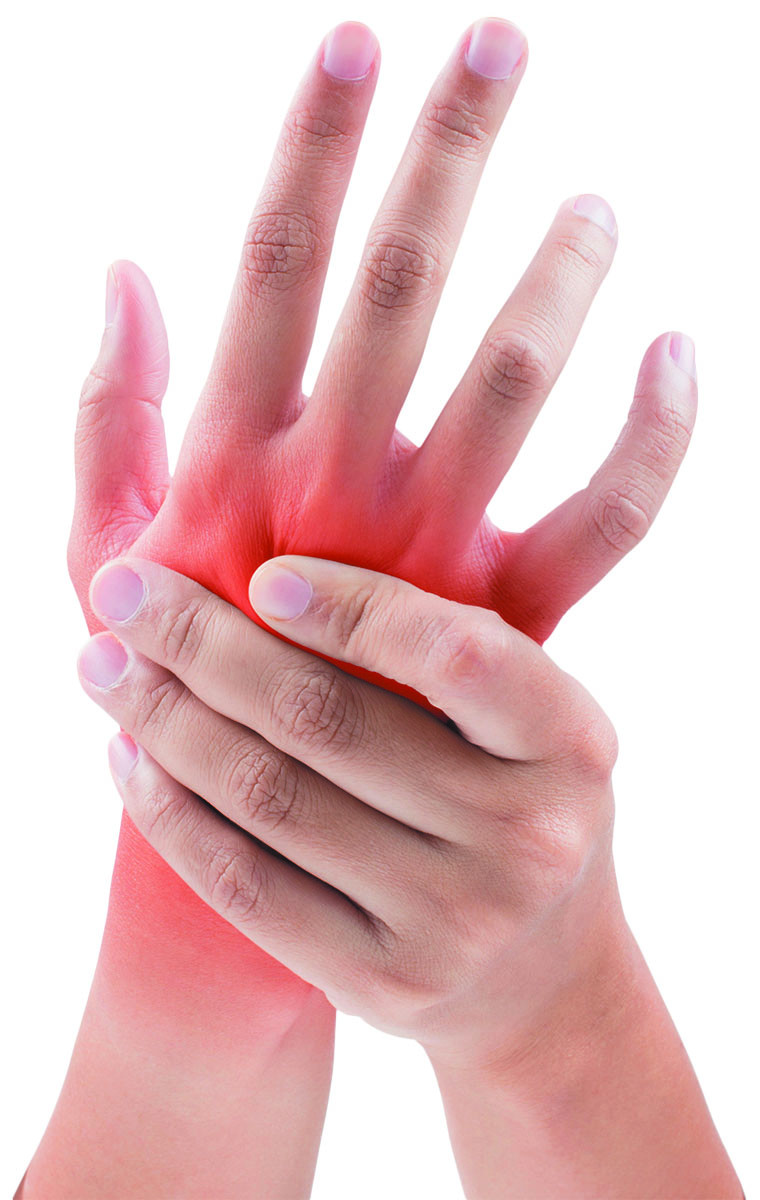
Best ways to cope with hand pain
Aches or numbness may keep you from doing the things you love. Find out what's behind your pain, and do something about it.
Hand pain becomes common as we get older. Tingling and numbness, aching or locking joints, and difficulty grasping objects are frequent complaints. But don't make your own diagnosis and suffer in silence. "It's difficult to discern between different types of hand pain. Some have overlapping symptoms," says Dr. Sang-Gil Lee, a hand surgeon at Harvard-affiliated Massachusetts General Hospital.
Dr. Lee advises that you seek treatment as soon as possible for persistent hand pain, before it gets so advanced that it's tough to use your hands for even the simplest jobs, like brushing your teeth or buttoning a shirt.
Using a vibration plate: What it can — and can't — do for your body
The surprising link between ovarian cancer and the fallopian tubes
People who walk more or walk faster live longer, study finds
For sleep apnea, a dental device may be as effective as CPAP
Rosacea treatments: What works?
Carb cycling: What is it, and does it work?
Salmonella, E. coli, Cyclospora, and other germs that cause food poisoning: What you need to know
Melatonin or magnesium: Can either supplement help you sleep?
Understanding orthorexia: Have your healthy eating goals gone too far?
Naturally gluten-free foods
Free Healthbeat Signup
Get the latest in health news delivered to your inbox!
Sign Up
