

Naturally gluten-free foods

Harvard study: Healthier fats linked to longer life after prostate cancer diagnosis

Shingrix shingles vaccine linked with lower heart disease risks

Estrogen-only hormone therapy tied to lower dementia risk
Should you have a hysterectomy?

Stair climbing may significantly lower cardiovascular risks

Why do I sweat so much?

Walking pneumonia: The "mild" illness that can still pack a punch

What causes knee pain: How doctors make a diagnosis

Where you carry excess weight matters in predicting heart disease risk
Bones and joints Archive
Articles

Just 45 minutes of weekly activity may help with arthritis
In the journals
Studies have shown that regular activity can help older adults with arthritis stay independent. How much is enough? Research published online Dec. 28, 2016, by Arthritis Care & Research suggests you may need as little as 45 minutes per week.
Federal guidelines recommend 150 minutes of moderate activity per week to prevent premature death and serious illness. However, reaching that number is tough to reach for people with arthritis; in fact, only one in eight men with knee arthritis meet this standard. In this study, researchers tracked several years of fitness activity for 1,629 adults (44% of whom were men), ages 49 to 83, with osteoarthritis in the hip, knee, foot, or some combination. Specific exercises or activities were not recorded, only the time invested per week.

Could that joint pain be rheumatoid arthritis?
How to distinguish the symptoms from other conditions, and what to do about treatment.
Image: © PositiveFocus/Thinkstock
When your joints ache, you may chalk it up to an old injury or to osteoarthritis — the wearing away of cartilage that's common in older age. But for two million people in the United States, aching joints are caused by rheumatoid arthritis (RA) — when the immune system mistakenly attacks the tissues lining the joints.
"People commonly assume RA pain is due to aging, overuse, or even the flu," says Dr. Robert Shmerling, a rheumatologist at Harvard-affiliated Beth Israel Deaconess Medical Center, and medical editor of the Harvard Special Health Report Rheumatoid Arthritis (health.harvard.edu/RA).

Anti-inflammatory diet could reduce risk of bone loss in women
Research we're watching
Because several studies have connected inflammation to bone loss and fractures, researchers from Ohio State University wondered if dietary choices that contribute to inflammation are also related to declines in bone density.
The team looked at the diets of 160,191 postmenopausal women enrolled in the Women's Health Initiative and assigned each of them a dietary inflammation score based on 32 foods the women reported consuming in the three months prior to their enrollment. All the women completed dietary questionnaires and had scans to measure bone density at the beginning of the study and three and six years later.
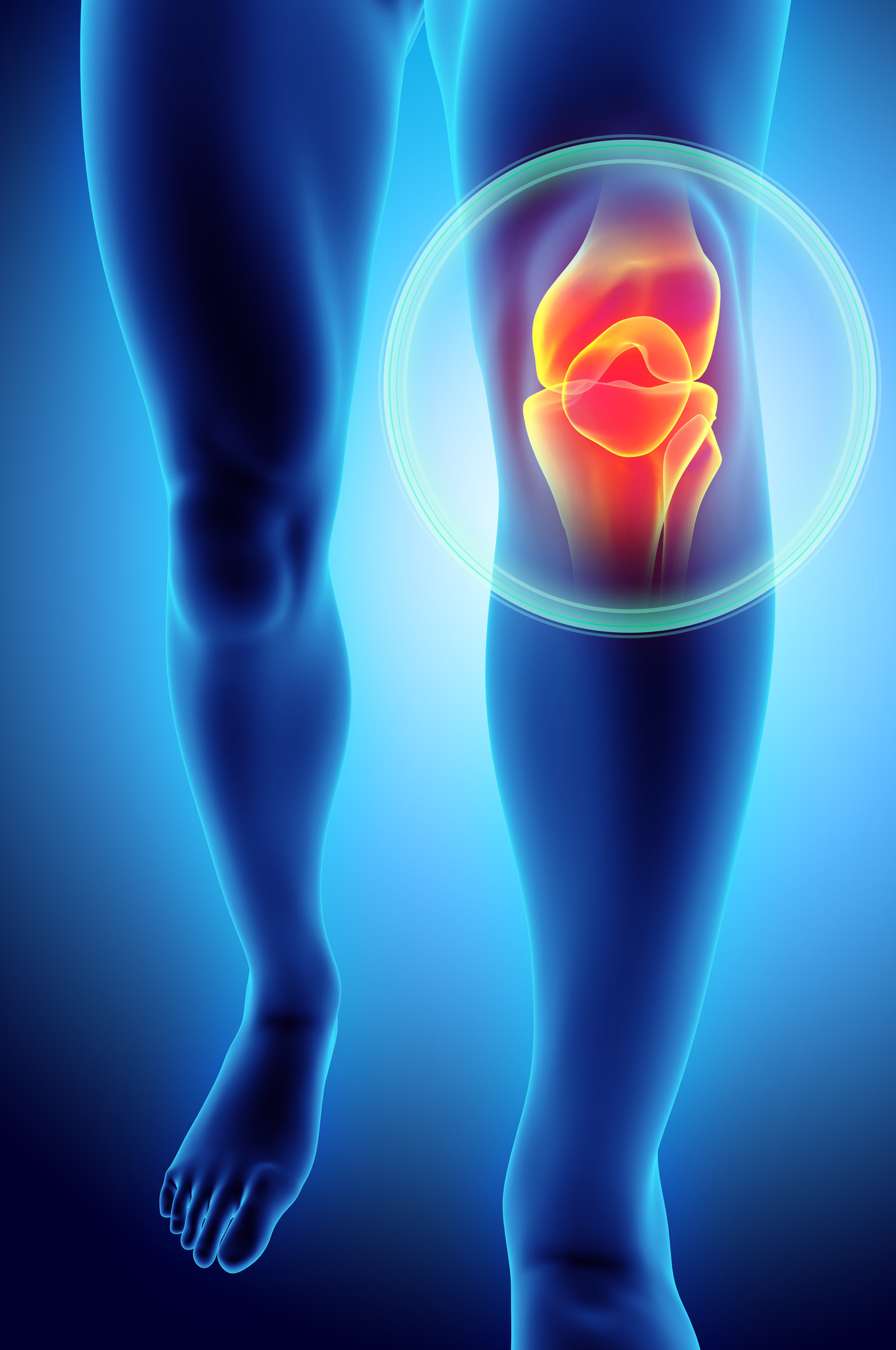
Can you virtually improve your knee pain?
A study of people with osteoarthritis of the knee found that at the end of the study period, those participants who received more personalized attention via the web (including physical therapy sessions and information about pain management) had less pain and better movement function.
Ask the doctor: Why would I need Prolia?
Denosumab (Prolia) is recommended for people at high risk for fractures for whom other bone-loss treatments were ineffective or had intolerable side effects.
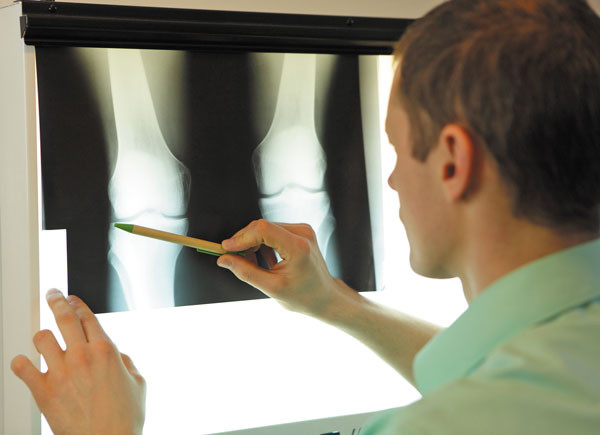
X-ray may be best screening tool for diagnosing knee pain
A simple x-ray may be a better and cheaper way to diagnose knee arthritis than an MRI, according to researchers. X-rays are also cheaper than MRIs and quicker to perform.
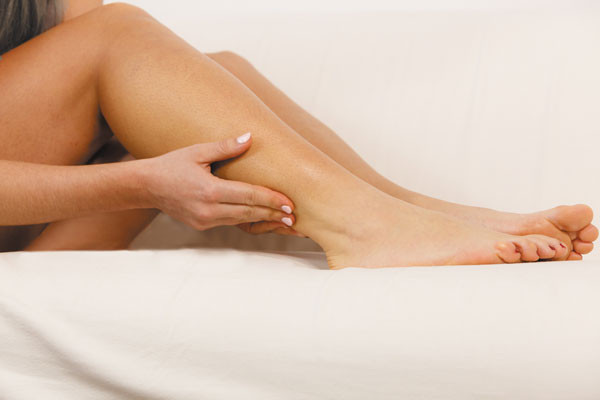
Is there hope for leg cramp sufferers?
Despite the lack of a universally recognized therapy for nighttime leg cramps, a few approaches may be worth trying.
Image: Monkey Business Images/Thinkstock
Few things are more jarring to a night's sleep than shooting calf pains. If you have nocturnal leg cramps, you have lots of company. Although they can strike people at any time of life, they become more common with age. Among people over 60, almost half report having leg cramps, a third say they are awakened by cramps at night, and 15% report weekly episodes.
What causes leg cramps?
Preventing cramps
There are no FDA-approved medications for leg cramps, and the U.S. Preventive Services Task Force hasn't issued guidelines for treating them. However, the American Academy of Neurology (AAN) has issued the following advice on common therapies, based on scientific evidence of effectiveness.
Stretching exercises. The AAN says that there are not enough data to say for sure that stretching helps reduce the frequency of muscle cramps. That doesn't mean that the exercises are ineffective or harmful, and doing them can help contribute to the flexibility of your legs.
Quinine. There is solid evidence that quinine and quinine derivatives are effective in reducing the frequency of muscle cramps, although the magnitude of benefit is small. However, quinine is out-of-bounds for most people. The FDA has issued repeated warnings against using quinine (which is approved only to treat certain types of malaria) to prevent or treat leg cramps because it may cause serious side effects, including bleeding and kidney damage. Although doctors can still prescribe quinine, it is recommended only when cramps are disabling and when the person can be carefully monitored for side effects.
Vitamin B complex. There is some evidence that taking a daily capsule containing eight B vitamins—B1 (thiamine), B2 (riboflavin), B3 (niacin), B5 (pantothenic acid), B6, B7 (biotin), B9 (folate), and B12—may prevent cramps.
Calcium-channel blockers. Evidence indicates that one calcium-channel blocker—diltiazem (Cardizem, Dilacor XR)—is possibly effective.
Ineffective therapies. The AAN found enough evidence to indicate that magnesium supplements and gabapentin (Neurontin) aren't likely to help.
Other remediesIn situations like nighttime leg cramps, where there are no widely accepted treatments, unproven remedies may be worth a try. The following are low-risk and have enthusiastic proponents.
|

Boning up on osteoporosis
The disease strikes more women, but men are also at risk.
Osteoporosis is often considered a woman's disease, but men also need to be concerned about this bone-weakening condition. About 2 million men have osteoporosis and another 12 million are at high risk, according to the National Osteoporosis Foundation.
In fact, older men have a greater risk for an osteoporosis-related fracture than for getting prostate cancer, and about one in four men older than 50 will break a bone because of osteoporosis during his lifetime.

Numb fingers? Icy toes? It may be Raynauds.
Raynaud's phenomenon—an extreme reaction to cold—can be annoying, or it may signal a serious chronic condition.
Image: Bigstock
If you live in the northern latitudes, you may have already had an episode in which your fingers froze or your nose, toes, or earlobes grew cold, pale, and numb. And if you're a southerner, you might have neighbors who migrated to avoid such episodes. While some people with chilly fingers just have cold sensitivity, others—especially women—may have Raynaud's phenomenon.
What is Raynaud's?
Two forms of Raynaud's
Primary Raynaud's phenomenon, which has no known cause, is much more common in women than in men and often begins in adolescence. Although it can be annoying and even painful, it usually doesn't require medical attention.
Secondary Raynaud's phenomenon occurs later in life in people who have injuries from operating vibrating tools or who have autoimmune disorders that affect connective tissue, such as scleroderma, rheumatoid arthritis, or lupus. These conditions can damage blood vessels and change their response to cold or stress. If you develop Raynaud's later in life, you should get a medical evaluation to determine whether you have secondary Raynaud's and, possibly, another underlying condition that warrants treatment.
Living with Raynaud's
Naturally gluten-free foods
Harvard study: Healthier fats linked to longer life after prostate cancer diagnosis
Shingrix shingles vaccine linked with lower heart disease risks
Estrogen-only hormone therapy tied to lower dementia risk
Should you have a hysterectomy?
Stair climbing may significantly lower cardiovascular risks
Why do I sweat so much?
Walking pneumonia: The "mild" illness that can still pack a punch
What causes knee pain: How doctors make a diagnosis
Where you carry excess weight matters in predicting heart disease risk
Free Healthbeat Signup
Get the latest in health news delivered to your inbox!
Sign Up
