

Using a vibration plate: What it can — and can't — do for your body

The surprising link between ovarian cancer and the fallopian tubes

People who walk more or walk faster live longer, study finds

For sleep apnea, a dental device may be as effective as CPAP

Rosacea treatments: What works?

Carb cycling: What is it, and does it work?

Salmonella, E. coli, Cyclospora, and other germs that cause food poisoning: What you need to know

Melatonin or magnesium: Can either supplement help you sleep?

Understanding orthorexia: Have your healthy eating goals gone too far?

Naturally gluten-free foods
Bones and joints Archive
Articles
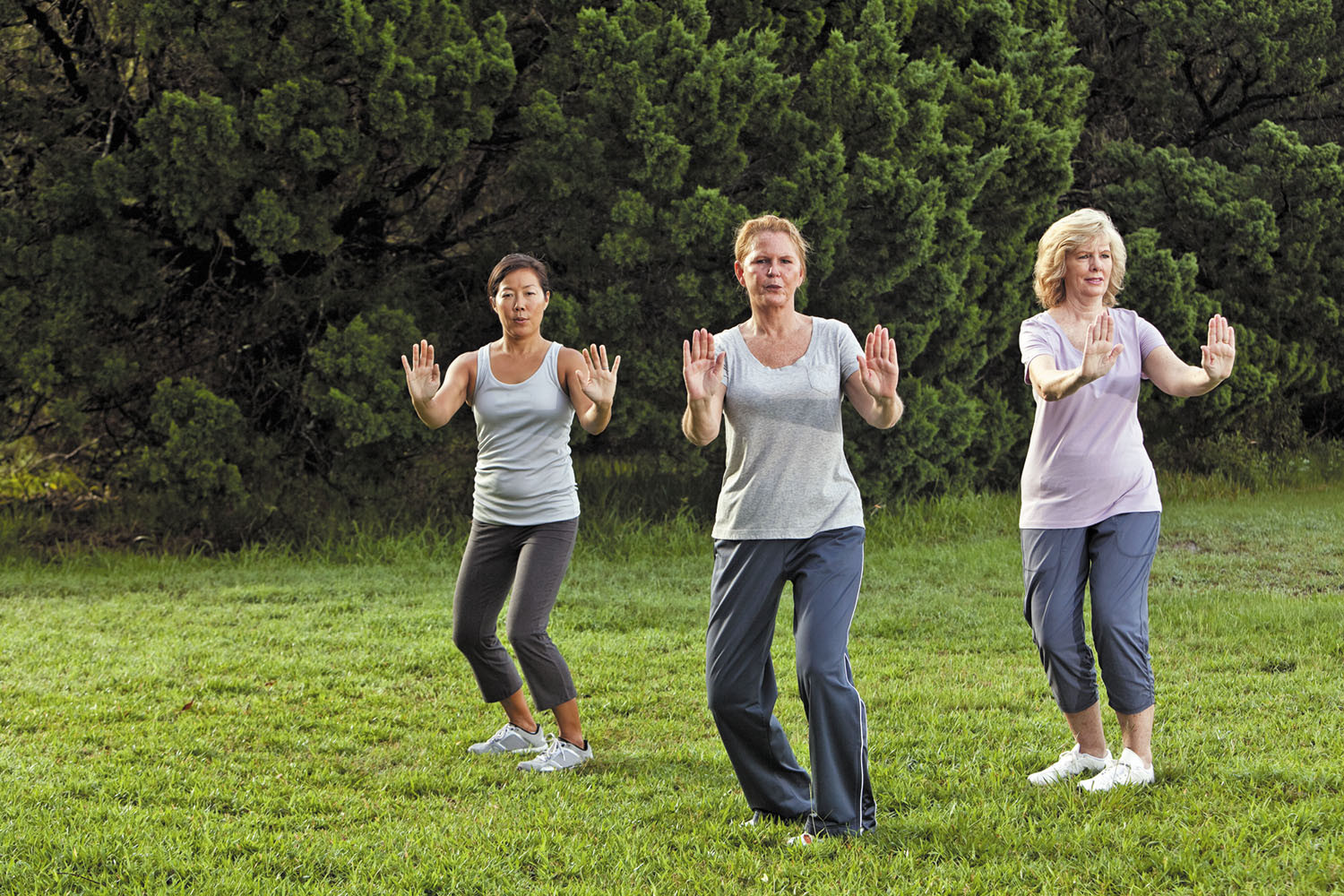
Is exercise good for arthritis?
Ask the doctors
Q. I have arthritis and my doctor recommended I start exercising, but I'm worried it will make my pain worse. Should I follow her advice?
A. Yes, your doctor is right. Although it may seem counterintuitive to move more when your joints hurt, studies have shown that exercise can reduce arthritis-related pain, fatigue, and stiffness. Exercise is also important for your overall health and can help reduce your risk of heart disease, obesity, and diabetes.

Taming carpal tunnel syndrome
Inside your wrist, a slick tunnel passes through the carpal bones. The nerves and tendons of the wrist pass through this space, called the carpal tunnel. One of these nerves, the median nerve, controls sensations in the palm side of the thumb, the index and middle fingers, and half of the ring finger. It also transmits the impulses to certain hand muscles that allow the fingers and thumb to move. Carpal tunnel syndrome occurs when this nerve becomes irritated or squeezed. Symptoms include numbness, tingling, pain, or weakness in the hand of the affected wrist.
Because the carpal tunnel starts out narrow, it doesn't take much to aggravate or compress the median nerve. A number of conditions can make a person more prone to carpal tunnel syndrome. These include:
A new therapy for osteoporosis: Romosozumab
Osteoporosis affects 10 million people in the United States, the majority of them women. Romosozumab is a new type of medication for treating osteoporosis that offers another treatment option for some women after menopause.

Exercise: Rx for overcoming osteoarthritis
Exercising may be the last thing you want to do when your joints are stiff and achy. But exercise is a crucial part of osteoarthritis treatment in order to ease pain and stay active.
Osteoarthritis is a chronic and progressive disease characterized by loss of the cartilage that covers and protects the ends of the bones where they meet at a joint. Without this protective coating, bone rubs against bone, causing irritation and inflammation. The result is pain and stiffness in the joint and often pain in the muscles and ligaments that surround it.

Look out for Lyme
Here's how to protect yourself from this growing tick-borne disease.
Summer is the ideal time to enjoy the outdoors, but while you're interacting with nature, you need to look out for ticks that carry Lyme disease, the most common tick-borne disease in the United States.
About 300,000 people are diagnosed with Lyme disease each year, according to the CDC, and new research suggests that number will rise by 20% by mid-century.

Rubbing it in
Pain relief creams and ointments can get the medicine right to where it hurts, and the smell is often familiar and soothing. But do they work?
When something like a knee hurts, there's a natural tendency to rub it. And if it really hurts, most of us will think about popping a pain-relieving pill of some kind — acetaminophen (Tylenol) for starters, or perhaps one of the nonsteroidal anti-inflammatory drugs (NSAIDs) like aspirin, ibuprofen (Advil, Motrin), or naproxen (Aleve, Naprosyn).

Taking osteoporosis drugs shouldn't prevent you from getting oral surgery
A drug holiday is one recommendation to reduce the risk of a rare bone condition that affects the jaw.
A dentist refers a woman to an oral surgeon because she needs a tooth pulled. But upon reviewing her chart, the oral surgeon turns her away.
The reason? She's taking a common medication to treat her osteoporosis, a condition that causes bones to become thin, brittle, and prone to fracture.
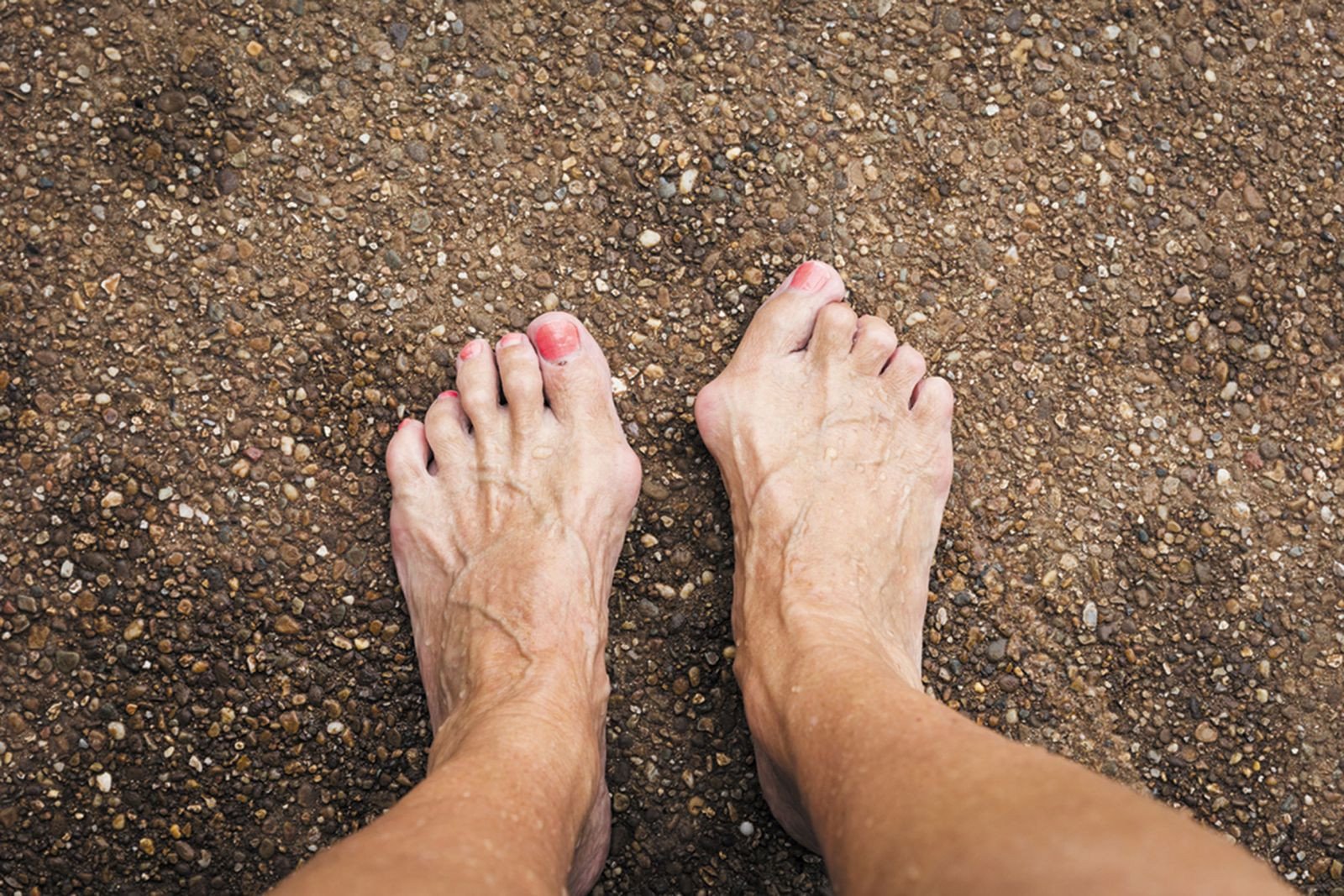
Battling the big toe joint blues
Arthritis, bunions, and gout can be disabling. Here are common fixes to stay mobile.
Aching hips, knees, and shoulders are common, and over time can lead to immobility. But so can an aching big toe. The joint at the base of the big toe — called the metatarsophalangeal or MTP joint — is the part of the toe that is affected.
What's the MTP joint?
The MTP joint connects the first long bone (metatarsal) in the forefoot to the first bone of the big toe (phalanx). The joint bends with every step you take, so that you can push off and let the other leg move forward. But the MTP joint takes a beating during that process: for a brief moment as you push off, the MTP joint supports half of your body weight.
Ask the doctor: Does prednisone increase blood pressure?
Q. I have rheumatoid arthritis, and my doctor wants me to take prednisone for it. Will prednisone be bad for my blood pressure, which is already high?
A. Prednisone raises blood pressure in many people who take it. One reason is that prednisone and other corticosteroids cause the body to retain fluid. Extra fluid in the circulation can cause an increase in blood pressure.
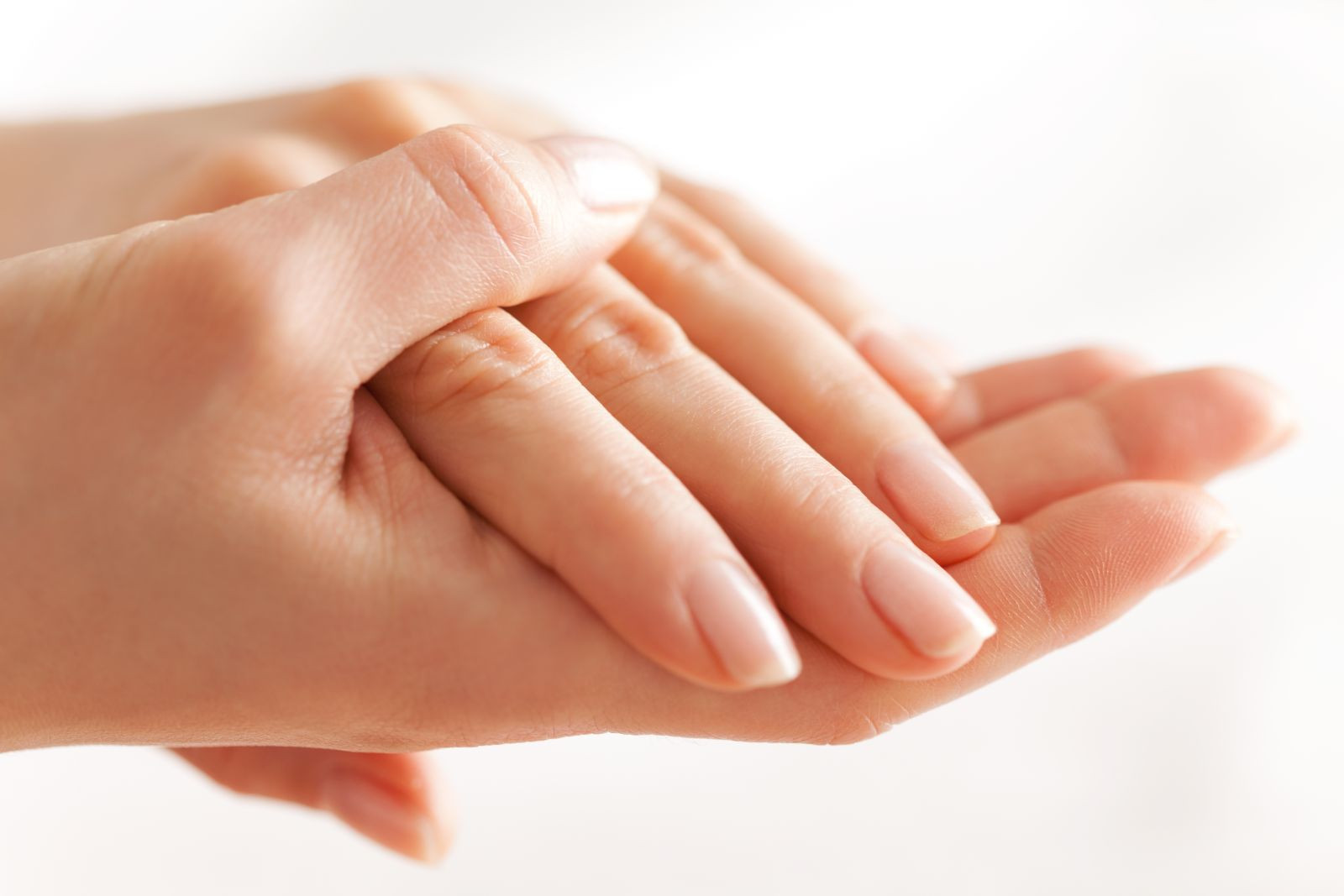
By the way, doctor: What causes Beau's lines?
Q. You wrote about weak, brittle fingernails with longitudinal ridges. I have strong nails with horizontal ridges. What causes this, and what can I do about it?
A. You may be referring to Beau's lines, which are grooves that run horizontally across the nail plate. They usually develop when nail plate growth, which begins in the nail matrix (located under the cuticle), is temporarily disrupted. This can occur with direct injury to the nail matrix; an inflammatory condition such as psoriasis; infection around the nail plate; repetitive picking at the nails or cuticles; or even a manicure. Systemic causes include a common side effect of chemotherapy, nutritional deficiencies, illnesses accompanied by high fever, metabolic conditions, and diminished blood flow to the fingers (from Raynaud's phenomenon, for example).
Using a vibration plate: What it can — and can't — do for your body
The surprising link between ovarian cancer and the fallopian tubes
People who walk more or walk faster live longer, study finds
For sleep apnea, a dental device may be as effective as CPAP
Rosacea treatments: What works?
Carb cycling: What is it, and does it work?
Salmonella, E. coli, Cyclospora, and other germs that cause food poisoning: What you need to know
Melatonin or magnesium: Can either supplement help you sleep?
Understanding orthorexia: Have your healthy eating goals gone too far?
Naturally gluten-free foods
Free Healthbeat Signup
Get the latest in health news delivered to your inbox!
Sign Up
