

Naturally gluten-free foods

Harvard study: Healthier fats linked to longer life after prostate cancer diagnosis

Shingrix shingles vaccine linked with lower heart disease risks

Estrogen-only hormone therapy tied to lower dementia risk

Should you have a hysterectomy?

Stair climbing may significantly lower cardiovascular risks

Why do I sweat so much?

Walking pneumonia: The "mild" illness that can still pack a punch

What causes knee pain: How doctors make a diagnosis

Where you carry excess weight matters in predicting heart disease risk
Bones and joints Archive
Articles
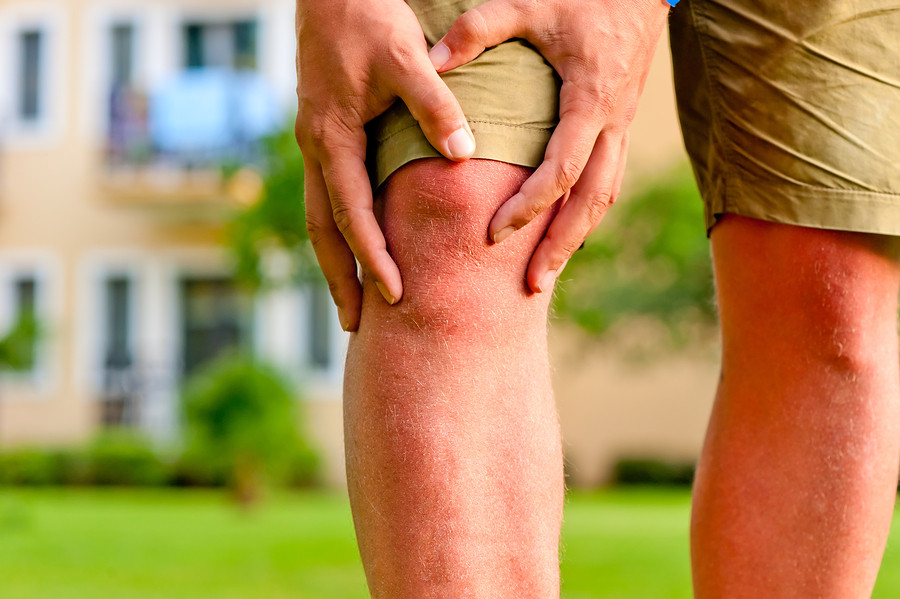
Joint pain...is it osteoarthritis?
Your knee aches from time to time. Or maybe your fingers don't seem as nimble as they used to be. Could it be osteoarthritis?
Osteoarthritis, the most common form of arthritis, develops when cartilage, the flexible tissue lining the joints, deteriorates. As a result, the space between bones gradually narrows and the bone surfaces change shape. Over time, this leads to joint damage and pain.


Mediterranean diet may protect against fractures as well as high-dairy diet
Research We’re Watching
In the 2015–2020 Dietary Guidelines for Americans, the emphasis shifted from healthy foods to healthy eating plans. Scientists are also focusing on the role of one's entire diet in preventing osteoporosis.
A team of German researchers analyzed data from more than 90,000 women enrolled in the Women's Health Initiative (WHI), who were ages 50 to 79 when they entered the study.

Does double knee surgery make sense for you?
The idea of having a knee replaced is daunting. But what if both of your knees need repairing? Is one visit to the operating room better than two?
If you are otherwise in good health, it's a conversation worth having with your doctor and rehabilitation team. There are some benefits to replacing both joints during a single surgery (called simultaneous replacement). These include undergoing anesthesia only once, fewer days in the hospital, and only one (albeit prolonged) rehabilitation that lets you resume normal activities sooner than two separate ones.

Starting an osteoporosis drug? Here’s what you need to know
In its early stages, osteoporosis has no symptoms but causes millions of bone fractures every year, often resulting in loss of function and, disability and even death from the complications of the fracture. There are effective medications to prevent osteoporosis, but they can have serious (though rare) side effects. It’s best to talk discuss with your doctor to understand all your options and make an informed decision on how to best protect your bones.

How long should you take a bisphosphonate for osteoporosis?
Millions of postmenopausal women are taking a bisphosphonate like oral alendronate (Fosamax) or intravenous (IV) zoledronic acid (Reclast) to increase bone density. But because long-term use of these drugs has been associated with an increased risk of bone death in the jaw and unusual thighbone fractures, experts have debated how long women should stay on the drugs to minimize the risk of hip or vertebral fractures without raising their risk for these rare but serious complications.
After considering major randomized controlled clinical trials, a task force of the American Society for Bone and Mineral Research has released guidelines on the optimal duration of bisphosphonate therapy for osteoporosis. The guidelines, published in the January 2016 issue of the Journal of Bone and Mineral Research, recommend reassessing a woman's fracture risk after five years of oral bisphosphonates or three years of IV therapy. They advise that women whose risk is still high should continue to take oral bisphosphonates for up to 10 years or IV therapy for up to six years. However, fracture risk should be reassessed every two to three years during extended therapy.

Stronger hands linked to a healthier heart
The strength of your hands may hold clues to the health of your heart. A study in the December 2015 American Journal of Preventive Medicine found that people with stronger handgrips had more favorable findings on measures of their cardiovascular health than those with weaker grips.
The study included more than 4,200 adults ages 20 and older who were part of a nationwide health study. Researchers used a device called a dynamometer to measure each participant's hand strength, adjusting the readings based on body mass index. They found that higher handgrip strength was associated with lower blood pressure, lower triglycerides (a type of fat in the blood), lower blood sugar, and higher HDL (good) cholesterol.

Ask the doctor: Braces for knee arthritis
Image: Thinkstock
Ask the doctor
Q. I occasionally use a brace on my knee because I have knee arthritis. Am I weakening my knee?
A. The benefit of a brace for knee arthritis is likely in the eye of the beholder. A brace can help improve the ability to perform certain activities, and for some people the compression and warmth of the brace relieves pain. However, medical research has been mixed on the absolute benefits.
Naturally gluten-free foods
Harvard study: Healthier fats linked to longer life after prostate cancer diagnosis
Shingrix shingles vaccine linked with lower heart disease risks
Estrogen-only hormone therapy tied to lower dementia risk
Should you have a hysterectomy?
Stair climbing may significantly lower cardiovascular risks
Why do I sweat so much?
Walking pneumonia: The "mild" illness that can still pack a punch
What causes knee pain: How doctors make a diagnosis
Where you carry excess weight matters in predicting heart disease risk
Free Healthbeat Signup
Get the latest in health news delivered to your inbox!
Sign Up
