

Naturally gluten-free foods

Harvard study: Healthier fats linked to longer life after prostate cancer diagnosis

Shingrix shingles vaccine linked with lower heart disease risks

Estrogen-only hormone therapy tied to lower dementia risk
Should you have a hysterectomy?

Stair climbing may significantly lower cardiovascular risks

Why do I sweat so much?

Walking pneumonia: The "mild" illness that can still pack a punch

What causes knee pain: How doctors make a diagnosis
Where you carry excess weight matters in predicting heart disease risk
Bones and joints Archive
Articles
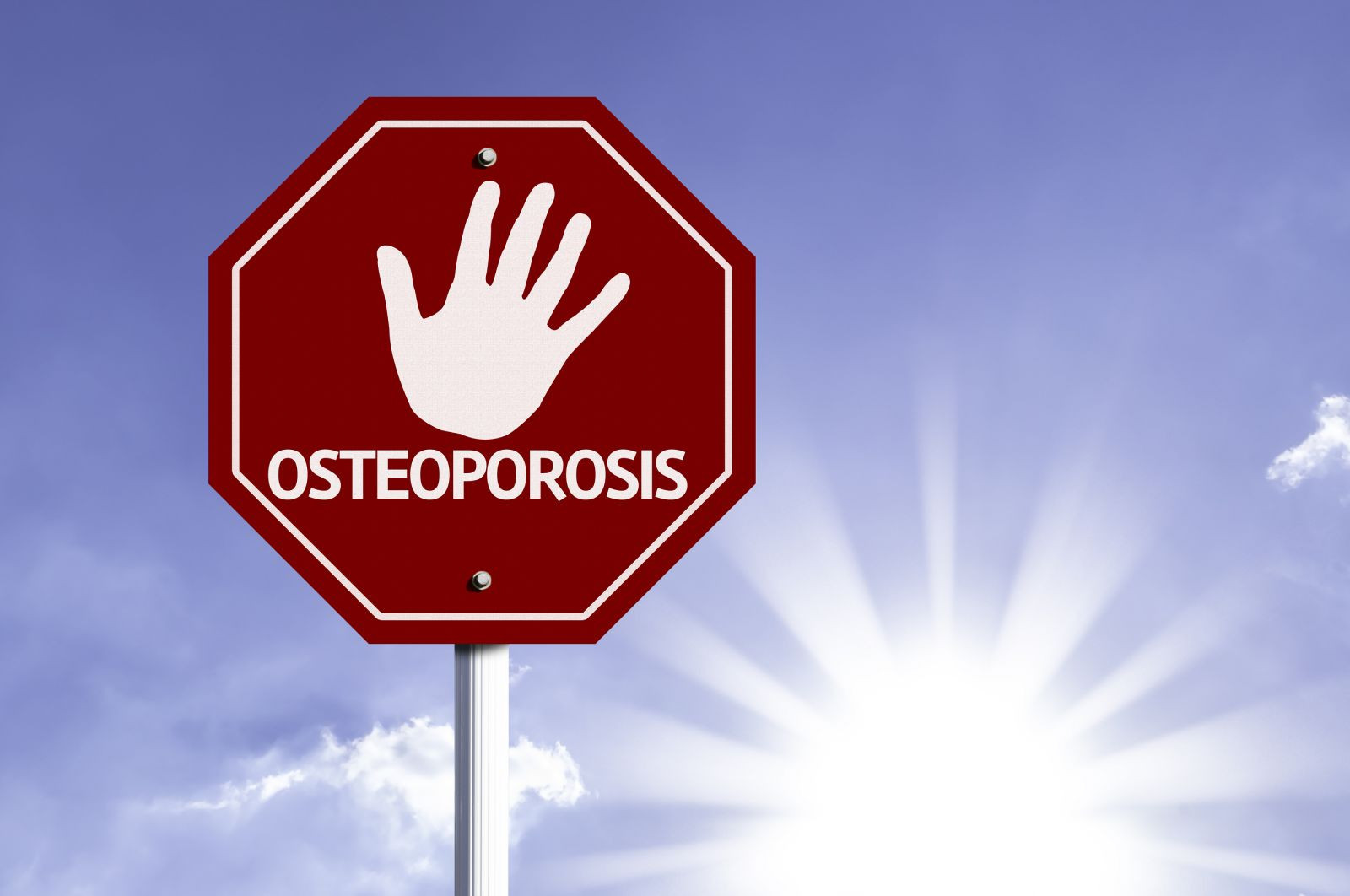
Do you need a drug for osteoporosis?
Image: Bigstock
Several medications can maintain or increase bone density. You can choose one based on your health and preferences.
Most of what we read about hip fracture isn't good. It is a major cause of disability, nursing home admissions, and death in older women. But there is a promising trend: hip fractures in the United States have been on the decline since 1996. Although better nutrition, increased physical activity, and education on fall prevention may have played a role, the drop in fractures has also coincided with the widespread availability of bisphosphonates—a class of drugs first approved in 1995 to increase bone density.

Got a bum knee? Here is what to do
If knee pain and swelling are severe an are not getting better, see your primary care doctor for a thorough evalucation. Image: Thinkstock
Arthritis is not the only possible cause of knee pain, swelling, and disability.

Numb hand: Should you worry?
Ask the doctor
Q. My right hand goes numb when I open a can or use hand tools. Is this something I need to worry about? Do I have carpal tunnel syndrome?
A. The hand receives its sensory information from three different nerves, and irritation of any of them can lead to numbness. In the hand, numbness is often related to the way that the nerve is compressed or squeezed slightly when you bend your wrist, as happens when you open a can. Excess vibration or repetitive hand motion when you use tools may also cause numbness.
Arthritis pain relief while taking warfarin
Ask the doctor
Q. I take warfarin for my atrial fibrillation. I know it can increase the risk of bleeding. Is it okay for me to take ibuprofen for my arthritis?
A. In general, you should avoid ibuprofen—which is sold as Advil, Motrin, and generics—while taking warfarin, because taking them together may further increase your risk of bleeding.
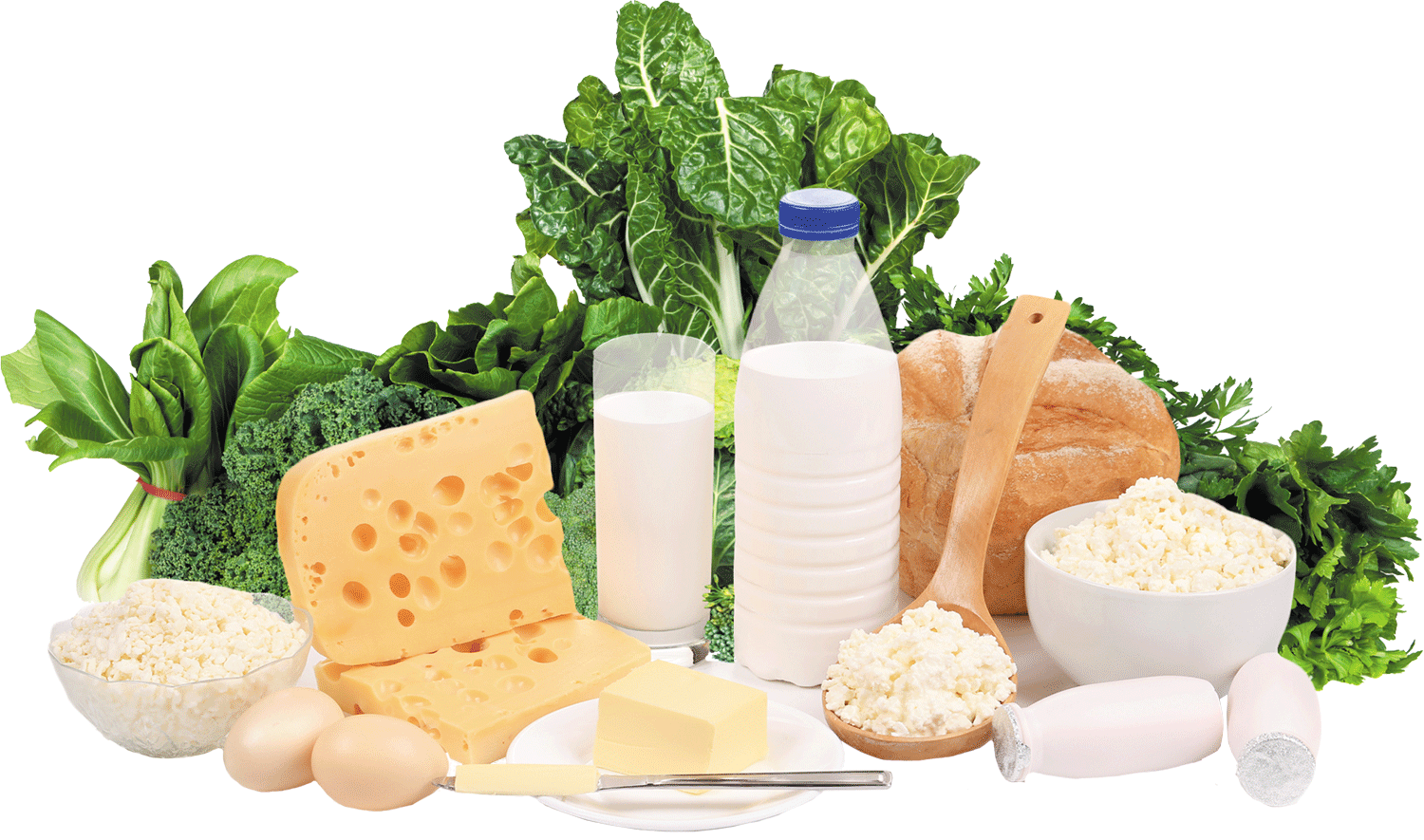
Calcium supplements for bone health: Do you really need them?
Image: Thinkstock
Calcium is required for good health, and you can obtain most of what you need from common foods.
Calcium builds strong bones—right? In general that's true, because calcium forms the bricks and mortar of bones. That's why you need to take in sufficient calcium from your diet to replace worn-out bone as you age. Being deficient in calcium can weaken bones, leaving them more prone to breaking. Vitamin D is the helpmate to calcium, allowing the body to absorb more of the mineral during digestion.

Joint replacement — finding the right medical team
Joint replacement is a complex procedure, and finding the right surgeon and hospital can make a big difference in your outcome. In general, you're likely to have a better result and fewer complications if your surgeon performs the operation frequently (at least 100 times per year) and operates in a hospital where these procedures are commonplace. Don't be surprised if this rules out the most convenient hospital for your location.
Your orthopedist, rheumatologist, or primary care physician, or a friend who has undergone successful joint replacement, may be able to recommend a specific surgeon. But keep in mind that your insurer may restrict you to certain specialists or require a larger copayment if you go outside your plan.
Research we're watching: Small study shows little bone benefit from recommended dose of vitamin D
Although vitamin D is essential to bone health, a controlled clinical trial published online by JAMA Internal Medicine on Aug. 3, 2015, found that vitamin D supplements didn't build bone in postmenopausal women with blood levels of vitamin D below the 30-ng/mL threshold generally considered necessary for good health. Researchers at the University of Wisconsin randomly assigned 230 women to three groups: one got 800 IU of vitamin D daily and a placebo twice a month; one got a placebo daily and 50,000 IU of vitamin D twice a month; the third got placebos both daily and twice a month. The study lasted a year. The researchers found that neither dose of vitamin D had a significant effect on bone mass, falls, or fractures.
The Wisconsin study may not have used the right doses of vitamin D or lasted long enough to show an effect. One ongoing study, The Vitamin D and Omega-3 Trial (VITAL), is large enough to demonstrate even small-to-moderate benefits of vitamin D supplementation. VITAL is evaluating a 2,000-IU daily dose for five years in 26,000 women and men. The results are expected in 2017. Until then, it's still important to get the recommended daily dose of vitamin D: 600 IU for adults through age 70 and 800 IU for people ages 71 or older
Can depression worsen RA symptoms or make treatment less effective?
Depression is fairly common among people suffering with rheumatoid arthritis (RA). Recent research suggests that depression may worsen RA symptoms and even make medications less effective. To date, the studies that indicate a connection between the severity of RA symptoms and depression have not been conclusive, so more research is needed. In the meantime, if you have RA and notice signs of depression, be sure to talk with your doctor.

Naturally gluten-free foods
Harvard study: Healthier fats linked to longer life after prostate cancer diagnosis
Shingrix shingles vaccine linked with lower heart disease risks
Estrogen-only hormone therapy tied to lower dementia risk
Should you have a hysterectomy?
Stair climbing may significantly lower cardiovascular risks
Why do I sweat so much?
Walking pneumonia: The "mild" illness that can still pack a punch
What causes knee pain: How doctors make a diagnosis
Where you carry excess weight matters in predicting heart disease risk
Free Healthbeat Signup
Get the latest in health news delivered to your inbox!
Sign Up
