

Using a vibration plate: What it can — and can't — do for your body

The surprising link between ovarian cancer and the fallopian tubes

People who walk more or walk faster live longer, study finds

For sleep apnea, a dental device may be as effective as CPAP

Rosacea treatments: What works?

Carb cycling: What is it, and does it work?

Salmonella, E. coli, Cyclospora, and other germs that cause food poisoning: What you need to know

Melatonin or magnesium: Can either supplement help you sleep?

Understanding orthorexia: Have your healthy eating goals gone too far?

Naturally gluten-free foods
Bones and joints Archive
Articles

Easing the ache
Osteoarthritis pain can be debilitating. Strategies can help get you moving again.
Pain from osteoarthritis is more than just a nuisance. Knee pain, in particular, can not only keep people from exercising, but also have a chilling effect on their ability to participate in social activities, especially those that involve walking or traveling, says Elena Losina, the Robert W. Lovett Professor of Orthopedic Surgery at Harvard Medical School and co-director of the Orthopaedic and Arthritis Center for Outcomes Research at Brigham and Women's Hospital.
"In fact, the quality of life of a person with persistent pain due to knee osteoarthritis is similar to quality of life in women with metastatic breast cancer controlled by therapy," she says.

Autoimmune lung disease: Early recognition and treatment helps
Autoimmune diseases occur when the body generates an immune response against itself. Some people with rheumatic or autoimmune diseases, such as rheumatoid arthritis or lupus, develop an autoimmune lung disease. Marked by lung inflammation and possible scarring, it’s easier to treat if detected early.


Two common prescription drugs now available over the counter
News briefs
On Feb. 14, 2020, the FDA announced that two popular symptom-relief drugs can now be sold without a doctor's prescription. One is diclofenac sodium topical gel, 1% (Voltaren Arthritis Pain), which is used to temporarily relieve arthritis. The other is olopatadine (Pataday), which comes in eye drop form (in two strengths, for once-a-day or twice-a-day dosing) to relive itchy or red eyes from pollen, ragweed, grass, or animal hair or dander. Even though these medications are now available over the counter, they still have risks and benefits, so talk to your doctor before using any new treatment.
Image: MJ_Prototype/Getty Images

4 ways exercise helps arthritis
Even the healthiest people can find it hard to stick with an exercise regimen — and if you suffer from the joint pain of arthritis, moving your body may be the last thing you want to think about. But regular exercise not only helps maintain joint function, it also relieves stiffness and reduces pain and fatigue.
If you have arthritis, you want to be sure your exercise routine has these goals in mind:

Knee arthroscopy: Should this common knee surgery be performed less often?
There is already evidence that knee arthroscopy for osteoarthritis does not help most people. A study attempted to determine if the results would be better for people with osteoarthritis and a torn meniscus.

What’s the best time of day to take your medication?
Timing may improve potency and help you cope with side effects.
We all want our medicines to be as effective as possible, and that requires effort on our part. It may be necessary to avoid taking pills with certain foods or drinks, and to check that medications won't interfere with each other.
And in some cases, it may be important to take a drug at a particular time of day. This approach, known as chronotherapy, is gaining attention as research suggests a relationship between when we take medications and how well they work.
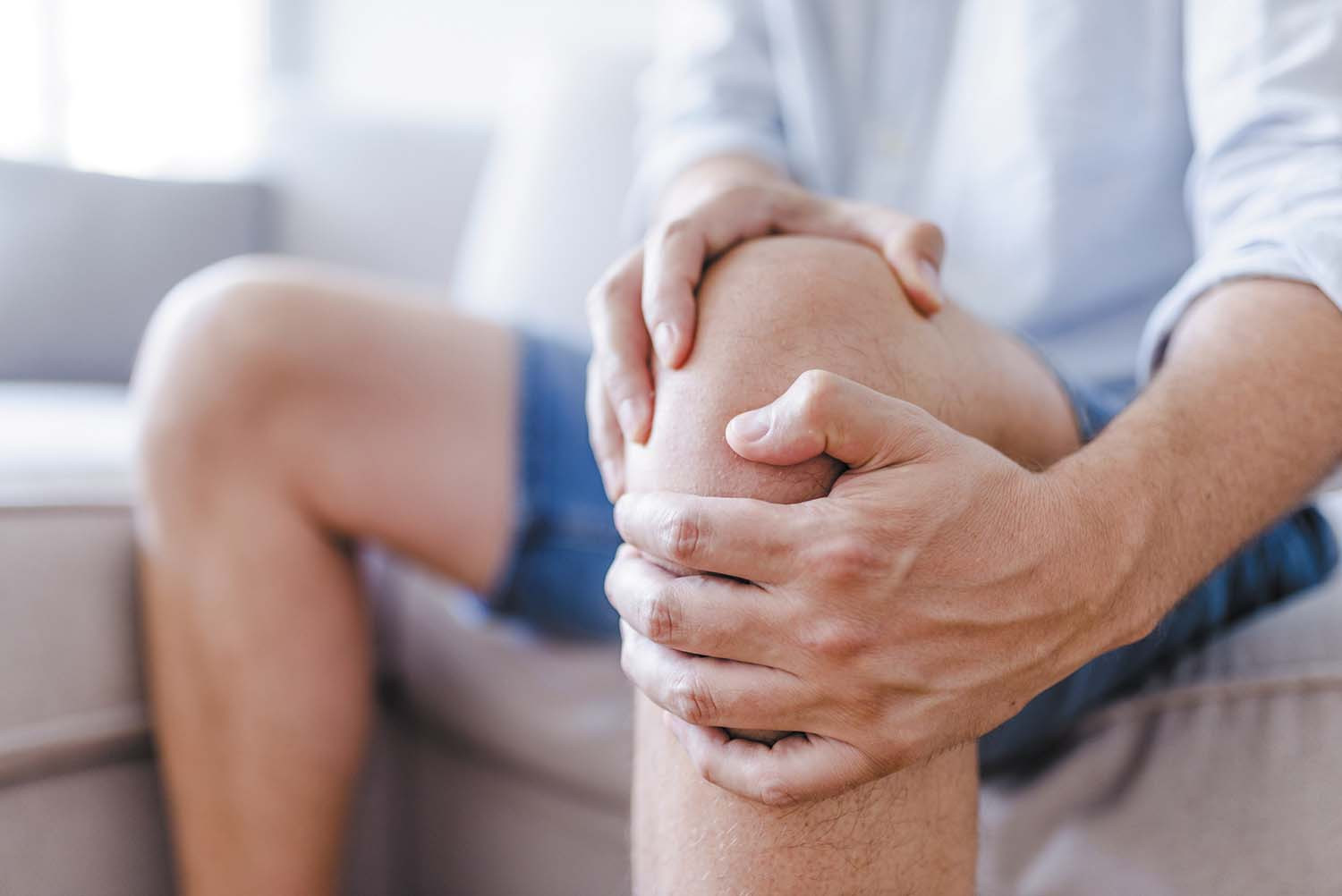
When is it time for a knee replacement?
On call
Q. I have osteoarthritis. My right knee is especially painful and stiff. How do I know when the time is right for knee replacement surgery?
A. Timing is key. If you get the procedure too soon, you might not see enough improvement to make the surgery worth it. In addition, the younger you are when you have knee replacement surgery, the greater the chances it will not last and another surgery may be needed. But if you wait too long, you may subject yourself to unnecessary pain and disability.

Common physical problems that threaten your driving skills
Addressing arthritis, hearing loss, and cataracts will help preserve your independence.
Older age brings lots of physical changes, like stiffer joints and difficulty seeing or hearing. Those developments may not cause disability, but they may have an effect — even a subtle one — on your driving. That's why it's smart to be proactive once you notice physical changes, to find out how each condition can jeopardize your driving skills, your safety, and the safety of others on the road.
Common ailments
There are many physical changes that can affect your driving skills. The following are among the most common.

Giving steroid injections a shot
They can offer temporary pain relief, but are they right for you?
If you're battling with a flare-up of arthritis, bursitis, or tendinitis, you may find relief from an injection of cortisone (a type of steroid).
"People turn to injections when conservative treatments like over-the-counter and prescription pain medication or physical therapy no longer work, and their pain begins to interfere with quality of life," says Dr. Rob Shmerling, clinical chief of rheumatology at Harvard-affiliated Beth Israel Deaconess Medical Center.
Using a vibration plate: What it can — and can't — do for your body
The surprising link between ovarian cancer and the fallopian tubes
People who walk more or walk faster live longer, study finds
For sleep apnea, a dental device may be as effective as CPAP
Rosacea treatments: What works?
Carb cycling: What is it, and does it work?
Salmonella, E. coli, Cyclospora, and other germs that cause food poisoning: What you need to know
Melatonin or magnesium: Can either supplement help you sleep?
Understanding orthorexia: Have your healthy eating goals gone too far?
Naturally gluten-free foods
Free Healthbeat Signup
Get the latest in health news delivered to your inbox!
Sign Up
