

The surprising link between ovarian cancer and the fallopian tubes

People who walk more or walk faster live longer, study finds

For sleep apnea, a dental device may be as effective as CPAP

Rosacea treatments: What works?

Carb cycling: What is it, and does it work?

Salmonella, E. coli, Cyclospora, and other germs that cause food poisoning: What you need to know

Melatonin or magnesium: Can either supplement help you sleep?

Understanding orthorexia: Have your healthy eating goals gone too far?

Shingrix shingles vaccine linked with lower heart disease risks

Naturally gluten-free foods
Bones and joints Archive
Articles

5 weight training tips for people with arthritis
Strength training is good for just about everyone. It's especially beneficial for people with arthritis. When properly done as part of a larger exercise program, strength training helps them support and protect joints, not to mention ease pain, stiffness, and possibly swelling. Yet, the thought of starting a weight training program can be daunting to many arthritis sufferers.
If you have arthritis and want to incorporate strength training into your health routine, these tips can help you get started.

Harvard Health Ad Watch: Can an arthritis drug help you become a morning person?
An ad for an arthritis medication seems to suggest that taking it will alleviate or even eliminate morning stiffness, allowing you to hop out of bed. Like most drug ads, this one has unspoken messages and glosses over questions about side effects and cost.

Questions to ask before getting a hip replacement
Bring this article to your doctor appointment.
You've run out of options for hip pain and you're facing a possible hip replacement (see "Anatomy of a hip replacement"). Once your doctor has determined that you're a good candidate for surgery — based on your medical history, images of your hip, steps you've taken to reduce pain (such as weight loss and low-impact exercise programs), and how pain has affected your daily function — you'll need to ask lots of questions.
"This is not a time to be shy. Be aggressive and get answers. The doctor expects that," says Dr. Scott Martin, an associate professor of orthopedic surgery at Harvard Medical School and medical editor of the Harvard Medical School Guide Total Hip Replacement.

Can gout be prevented?
Gout, a debilitating form of arthritis, is on the rise compared with rates in prior decades. Obesity is probably a significant factor in this increase. Now, a new study suggests that three-quarters of gout cases in men might be completely avoidable by following certain protective health habits.

Self-care for bursitis
These painful flare-ups can occur suddenly and for no apparent reason. Here's what you can do about them.
Have you ever woken up with a mysterious egg-shaped swelling on your elbow or knee and have no clue what caused it? There is a good chance you have bursitis.
"Bursitis is definitely more common as you get older and just comes with the territory of living a longer and more active life," says Dr. Robert Shmerling, senior faculty editor at Harvard Health Publishing and Corresponding Member of the Faculty of Medicine at Harvard Medical School.

The new-old way to treat gout
New guidelines suggest doing more of the same. The problem is that many people don't.
You never forget your first gout attack. The severe pain, swelling, and redness hits hard and fast. The initial attack often strikes your big toe's large joint, but later ones might affect the foot or ankle. Other hot spots include the knees, hands, and wrists.
First-line treatment is quite effective and includes anti-inflammatory medications, ice therapy, and rest. A combination of diet and lifestyle changes and prescription drugs — an approach called urate-lowering therapy, or ULT — is typically recommended if attacks recur or become more severe.


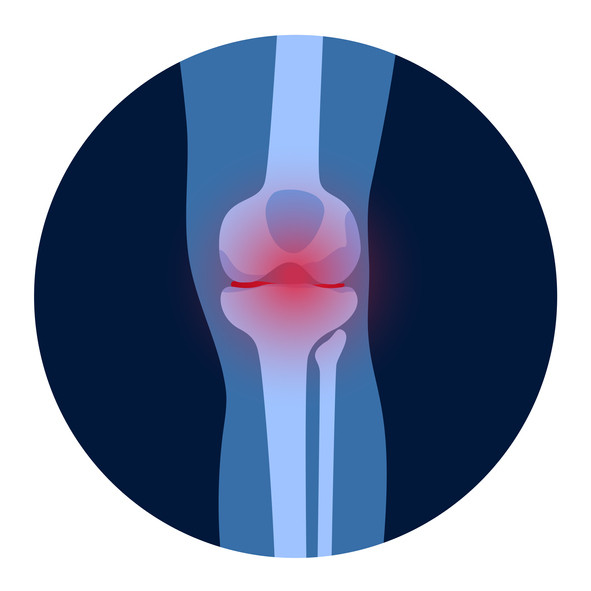
Stopping osteoarthritis: Could recent heart research provide a clue?
Currently no medication can slow the progress of osteoarthritis. And while a reanalysis of a study of people with heart disease suggests a promising approach, more definitive research will be necessary to confirm this.

Age-proof your knees
Improving range of motion, muscle strength, and weight control can help reduce pain and make your knees feel younger.
Image: © jacoblund/Thinkstock
Knee pain is common in older age, often caused by osteoarthritis (the wearing away of knee cartilage). Fortunately, there are ways to fool Father Time and postpone knee problems or even prevent them entirely. "In many cases, you can delay or avoid the need for surgical intervention, such as a knee replacement," says Dr. Lars Richardson, an orthopedic surgeon with Harvard-affiliated Massachusetts General Hospital.
The aging knee
Your knees absorb a huge amount of pressure with every step — typically one-and-a-half times your body weight. That pressure, plus regular wear and tear, takes a toll over time. Muscles and ligaments get weaker. The knee's two shock absorbers — pads of cartilage called menisci — start to deteriorate. So does the articular cartilage protecting the ends of the leg bones where they meet at the knee. If you have a family history of osteoarthritis, if you're overweight, or if you've had some knee injuries, you may be more prone to this deterioration.
The surprising link between ovarian cancer and the fallopian tubes
People who walk more or walk faster live longer, study finds
For sleep apnea, a dental device may be as effective as CPAP
Rosacea treatments: What works?
Carb cycling: What is it, and does it work?
Salmonella, E. coli, Cyclospora, and other germs that cause food poisoning: What you need to know
Melatonin or magnesium: Can either supplement help you sleep?
Understanding orthorexia: Have your healthy eating goals gone too far?
Shingrix shingles vaccine linked with lower heart disease risks
Naturally gluten-free foods
Free Healthbeat Signup
Get the latest in health news delivered to your inbox!
Sign Up
