

Using a vibration plate: What it can — and can't — do for your body

The surprising link between ovarian cancer and the fallopian tubes

People who walk more or walk faster live longer, study finds

For sleep apnea, a dental device may be as effective as CPAP

Rosacea treatments: What works?

Carb cycling: What is it, and does it work?

Salmonella, E. coli, Cyclospora, and other germs that cause food poisoning: What you need to know

Melatonin or magnesium: Can either supplement help you sleep?

Understanding orthorexia: Have your healthy eating goals gone too far?

Naturally gluten-free foods
Bones and joints Archive
Articles

Bumps on finger joints may hint at knee problems
Research we're watching
If you have an arthritis-related condition called Heberden's nodes, you may be at higher risk for arthritis-related knee problems, according to a study published online January 9 by Arthritis & Rheumatology.
Heberden's nodes develop when cartilage in the fingers wears away, causing the bones to rub against one another. This prompts new bone to form, creating bony nodules in the knuckles closest to the fingertips.
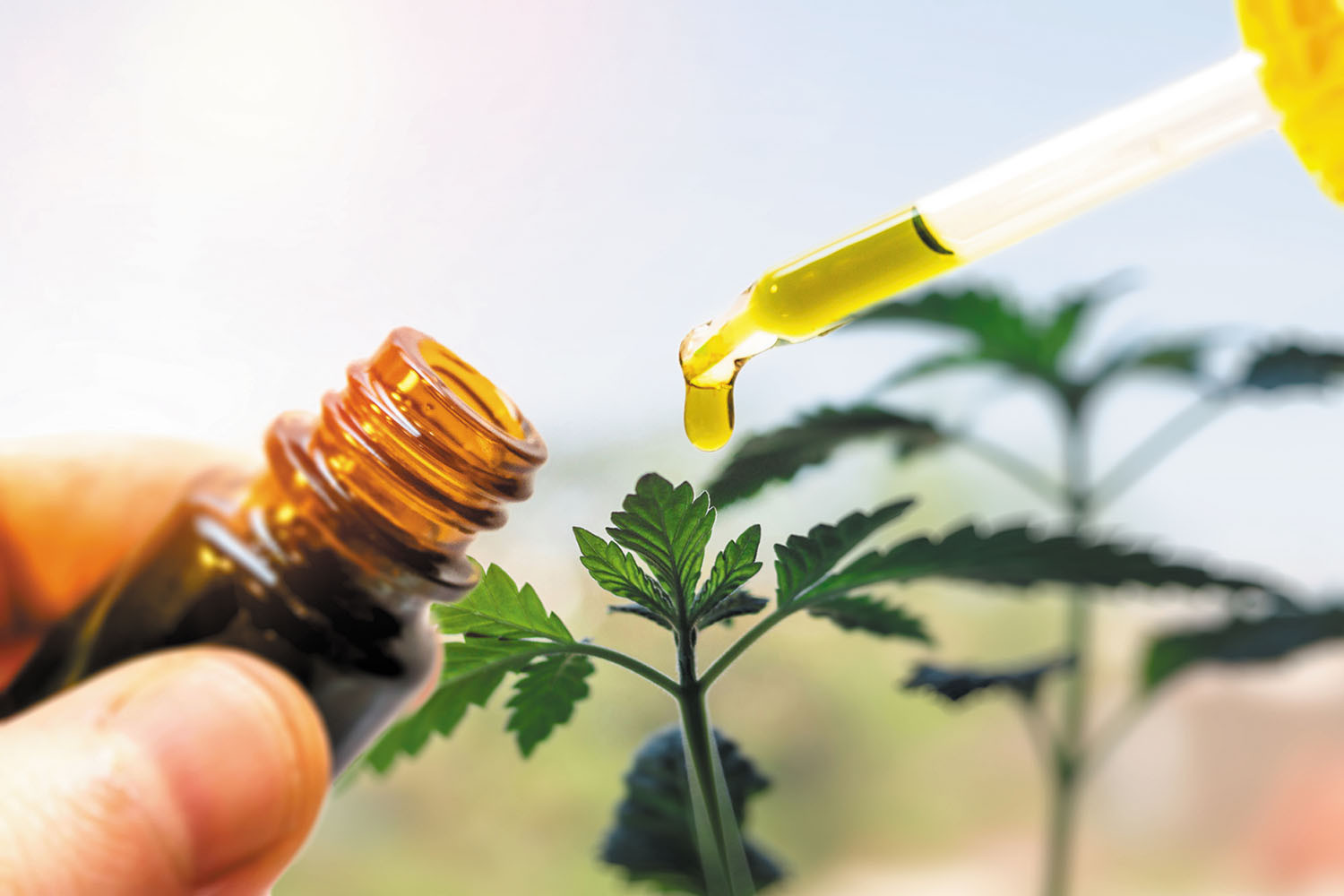
Answers to the top questions about cannabis extract
Sales of cannabidiol-infused products are expected to top $2 billion by 2021. But is CBD right for you?
Cannabidiol (CBD) is touted as a natural wonder that can help treat symptoms of everything from anxiety to arthritis pain. The plant extract comes from two varieties of cannabis — hemp and marijuana — and is available in creams, tinctures, oils, patches, gummy bears, capsules, and more. You can even add CBD to a latte if you walk into a coffee shop in some cities.
But is CBD safe for older adults? There haven't been a lot of large studies of CBD's safety, but more traditional medicines for pain and anxiety are not free of adverse effects, either. "I think CBD is likely safer than many other treatments people use for pain, insomnia, or anxiety," says Dr. Peter Grinspoon, a primary care physician with Harvard-affiliated Massachusetts General Hospital. Other physicians don't think we know enough about the safety profile of CBD to be sure.

Put your best foot forward
Here's what you can do about the three most common foot issues related to aging.
When our feet hurt, we hurt all over. That saying is often attributed to the Greek philosopher Socrates, and it's as relevant today as it was more than 2,500 years ago.
"Our feet are our vehicle to an active lifestyle," says Dr. Christopher DiGiovanni, chief of the Foot and Ankle Service at Harvard-affiliated Massachusetts General Hospital and Newton Wellesley Hospital. "If your feet are not sound and healthy, it's tough to keep the rest of you healthy, too."

Does arthritis pain change with the weather?
Ask the doctors
Q. My friend insists that her arthritis pain gets worse just before it rains. Is it true that joint pain can intensify based on the weather?
A. Despite what your friend, your grandmother, and generations of people have sworn is the case, experts haven't found consistent evidence that arthritis pain gets worse on rainy days. At best, study results over the years have been mixed, and one large, recent study seems to cast doubt on the theory.
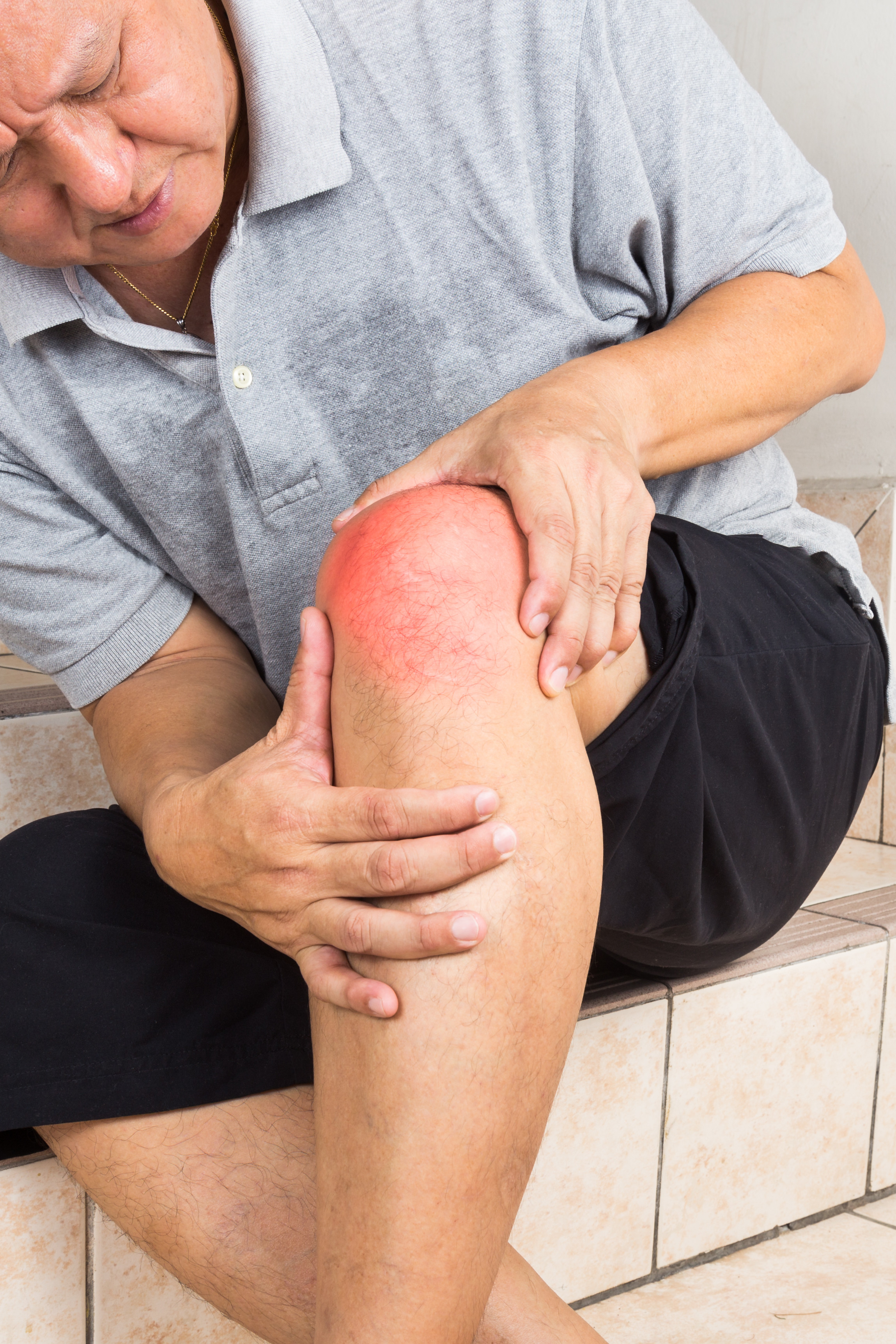

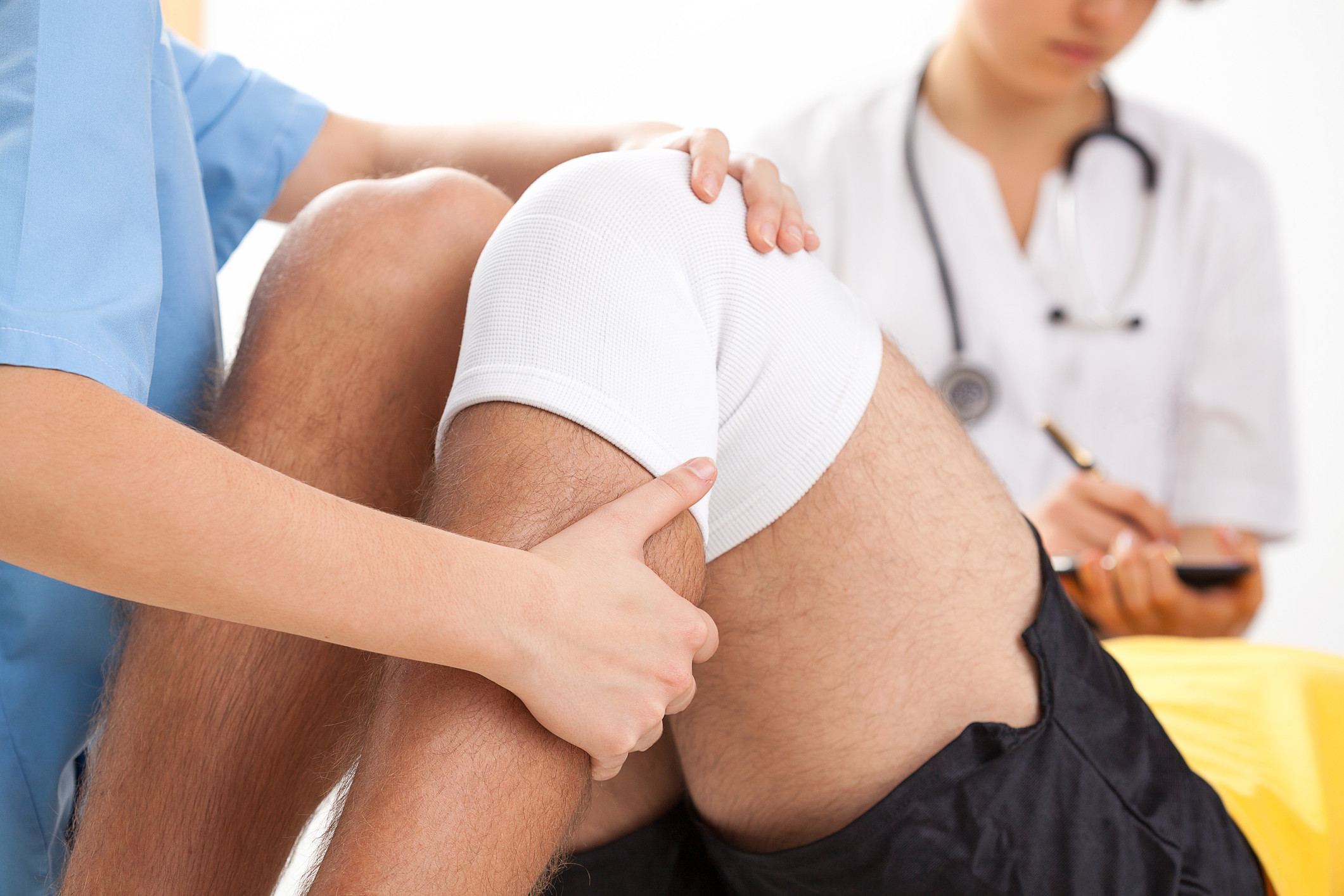

Surgery-free pain relief for hips and knees
Hip and knee pain can keep you from the activities you love, as well as make routine tasks difficult. But there are many ways to get you moving again pain-free, without surgery. Here are some of the treatments that can help relieve hip and knee pain.
Ultrasound, phonophoresis, and iontophoresis
Therapeutic ultrasound is a simple procedure that uses sound waves to increase blood flow, relax muscle spasms, and aid healing that leads to faster hip pain relief and knee pain relief. The therapist applies gel to your skin and moves an ultrasound wand over your skin around the painful area. In a special ultrasound technique called phonophoresis, medication (often hydrocortisone) is added to the gel. In a survey of orthopedic physical therapists, more than half said they would use ultrasound and phonophoresis to reduce soft-tissue inflammation (in tendinitis or bursitis, for example). These techniques are also used to manage pain, heal tissue, and help muscles stretch.


Keeping bones strong
Ounce for ounce, bone bears as much weight as reinforced concrete. However, unlike reinforced concrete, bone is a living tissue. It serves as a repository of minerals for the rest of the body to use, continuously lending them out and replacing them. Bone also gets stronger when "stressed" by physical activity, and can repair itself when injured.
The building and tearing down of bone tissue is called remodeling. This process happens continuously throughout your entire life. At first, your body rebuilds more bone than it demolishes. Typically, a person reaches peak bone mass around the age of 30. Among women, bone mass usually remains steady for the next 20 years or so until the onset of menopause, when bone is lost much more quickly than it is replaced. When bone loss is significant, the result is osteoporosis (which means "porous bone"). Bone loss generally starts later for men — typically in the late 50s — and progresses more slowly than in women. But men can also get osteoporosis.
Using a vibration plate: What it can — and can't — do for your body
The surprising link between ovarian cancer and the fallopian tubes
People who walk more or walk faster live longer, study finds
For sleep apnea, a dental device may be as effective as CPAP
Rosacea treatments: What works?
Carb cycling: What is it, and does it work?
Salmonella, E. coli, Cyclospora, and other germs that cause food poisoning: What you need to know
Melatonin or magnesium: Can either supplement help you sleep?
Understanding orthorexia: Have your healthy eating goals gone too far?
Naturally gluten-free foods
Free Healthbeat Signup
Get the latest in health news delivered to your inbox!
Sign Up
