

Naturally gluten-free foods

Harvard study: Healthier fats linked to longer life after prostate cancer diagnosis

Shingrix shingles vaccine linked with lower heart disease risks

Estrogen-only hormone therapy tied to lower dementia risk

Should you have a hysterectomy?

Stair climbing may significantly lower cardiovascular risks

Why do I sweat so much?

Walking pneumonia: The "mild" illness that can still pack a punch

What causes knee pain: How doctors make a diagnosis

Where you carry excess weight matters in predicting heart disease risk
Stress Archive
Articles
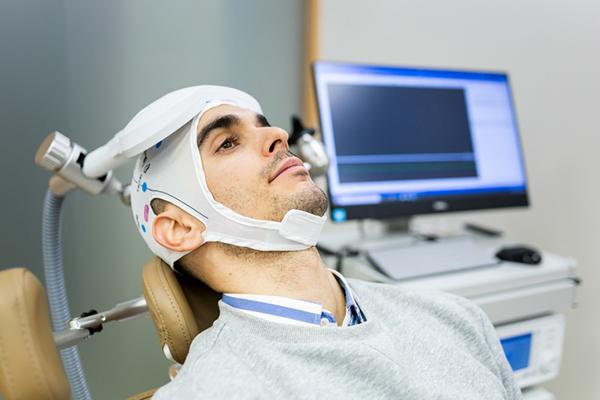
TMS treatment may succeed when depression drugs fail
Transcranial magnetic stimulation (TMS) uses magnetic pulses to repeatedly activate areas of the brain involved in mood regulation. Updated protocols hold the promise of rapid relief from major depression.

Psychological distress common in heart attack survivors
Up to half of heart attack survivors experience some form of psychological distress after the event, including depression, anxiety, or stress, according to a 2025 statement from the American Heart Association.
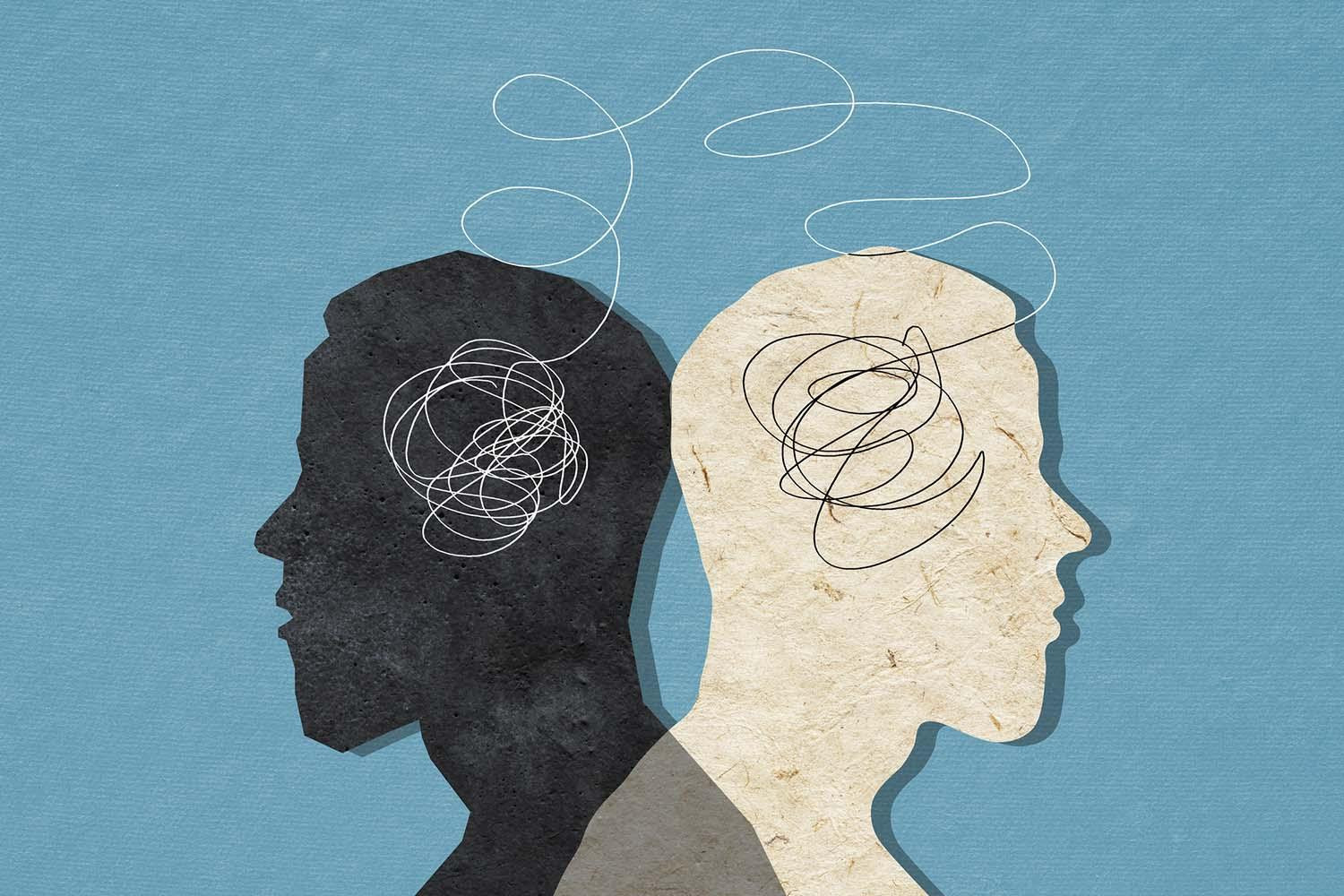
How cognitive behavioral therapy can help men
Men who could benefit from therapy often resist it because it carries a negative stigma for them and they feel uncomfortable about seeking help. For these individuals, cognitive behavioral therapy (CBT) may be an option. Many men find CBT appealing because it is short-term, structured, and focused on current issues. CBT is regularly used to treat depression and anxiety disorders, but it can help with managing other common ailments, such as insomnia, chronic pain, irritable bowel syndrome, chronic fatigue syndrome, fibromyalgia, and migraines.

Relief or risk? Using cannabis as we age
Increasing numbers of older adults are using cannabis over recent years. People over 50 report using it to relax, sleep better, feel good, relieve pain, improve mood or mental health, or treat medical conditions. But older adults are more vulnerable to cannabis side effects, such as falls or interactions with prescription and over-the-counter drugs. Many older adults aren't aware that cannabis products today are far more potent than in decades past. Medical visits related to cannabis use rose more than 27-fold among adults 65 and older between 2008 and 2021.

Fuzzy memory? Try these strategies
Simple strategies can help someone fight age-related memory slips. Tips include repeating new information by saying it out loud or writing it down a few times; associating an image with someone's name, such as thinking of a bouquet of roses after meeting a person named Rosie; grouping information in chunks, similar to grouping digits in a phone number; and writing information out by hand (as opposed to typing), which forces the brain to process and absorb data.

Adult ADHD: Overcoming the stigma
ADHD is often misunderstood and surrounded by stigma. Learn what ADHD looks like in adults, common myths, and ways to help manage symptoms and improve daily life.

How does prostate cancer treatment affect mental health?
The long-term outlook for men diagnosed with prostate cancer continues to improve. These medical advances, however, have also drawn attention to the mental health challenges many survivors encounter. It's still common for survivors to struggle with loss of masculine self-esteem and changes in body image.
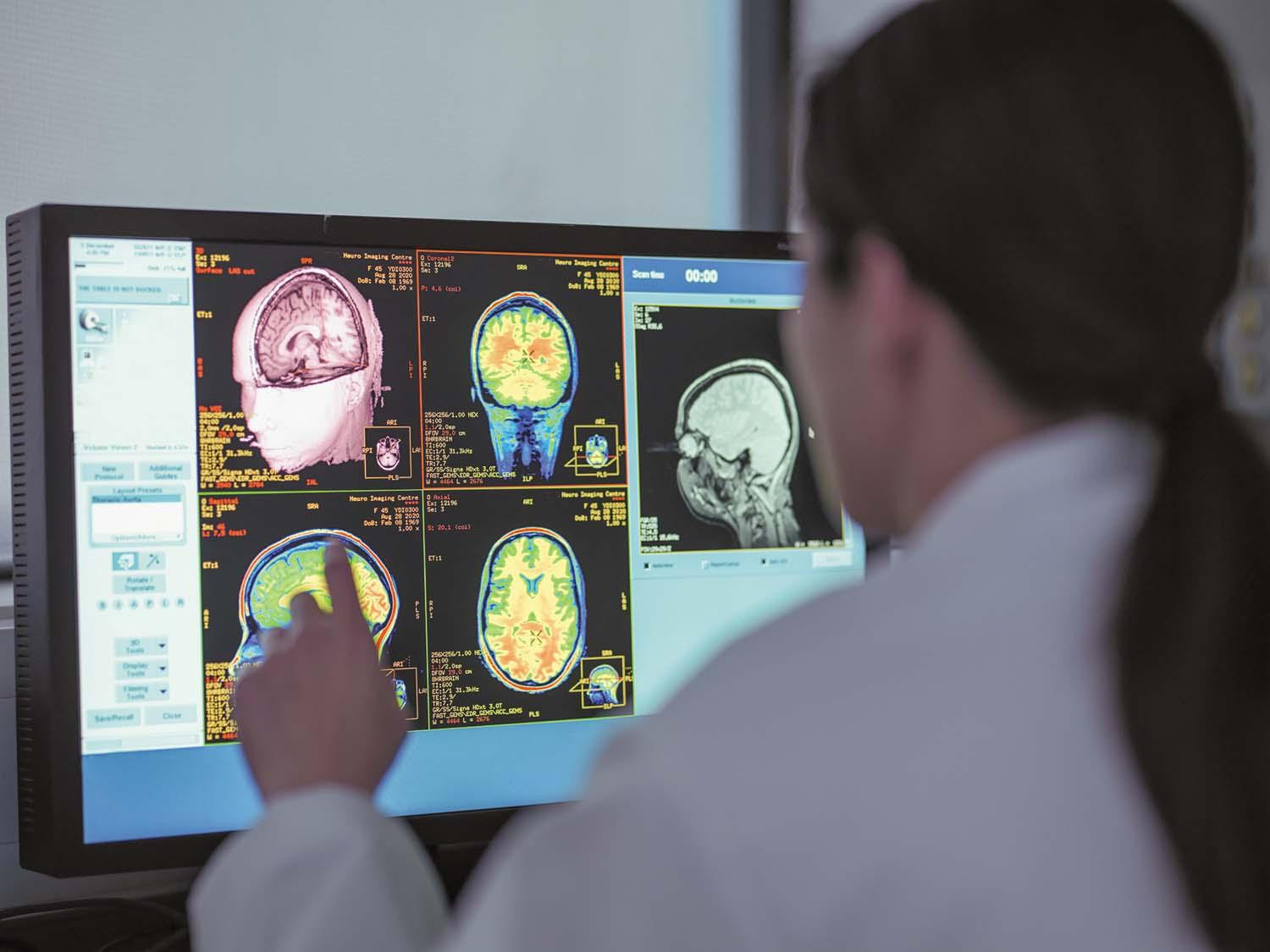
Can our brain talk to our immune system?
A 2025 study of 250 people found that the brain can tell the immune system to prepare for impending infection even before a microbe enters the body. Scientists asked volunteers to don virtual reality headsets that showed various virtual people approaching them. Some of those approaching appeared to be healthy and others appeared to be sick. Brain scans and blood tests showed that participants' brains activated their immune systems when a virtual sick person simply came near them.

Several risk factors in midlife may lead to dementia
Researchers have found that high blood pressure, diabetes, and smoking had the greatest association with the likelihood of a dementia diagnosis as people age. Managing these issues could offer protection.

Dogs and cats may slow cognitive decline
A 2025 study suggests that owning a dog or cat may help slow cognitive decline as people age.
Naturally gluten-free foods
Harvard study: Healthier fats linked to longer life after prostate cancer diagnosis
Shingrix shingles vaccine linked with lower heart disease risks
Estrogen-only hormone therapy tied to lower dementia risk
Should you have a hysterectomy?
Stair climbing may significantly lower cardiovascular risks
Why do I sweat so much?
Walking pneumonia: The "mild" illness that can still pack a punch
What causes knee pain: How doctors make a diagnosis
Where you carry excess weight matters in predicting heart disease risk
Free Healthbeat Signup
Get the latest in health news delivered to your inbox!
Sign Up
