

Naturally gluten-free foods

Harvard study: Healthier fats linked to longer life after prostate cancer diagnosis

Shingrix shingles vaccine linked with lower heart disease risks

Estrogen-only hormone therapy tied to lower dementia risk
Should you have a hysterectomy?

Stair climbing may significantly lower cardiovascular risks

Why do I sweat so much?

Walking pneumonia: The "mild" illness that can still pack a punch

What causes knee pain: How doctors make a diagnosis
Where you carry excess weight matters in predicting heart disease risk
Stress Archive
Articles
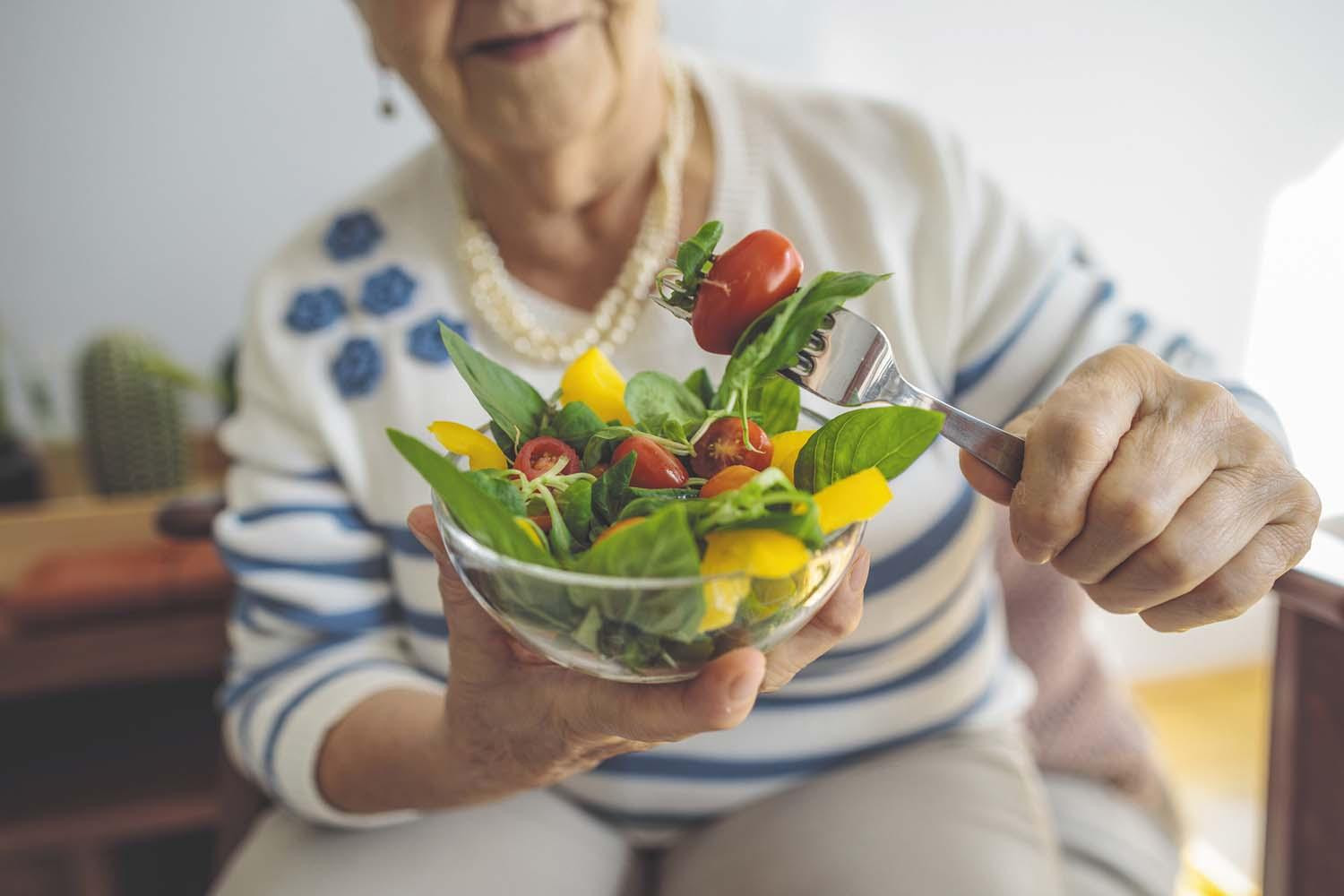
Eat a healthy diet and banish a big belly to protect your mind
In a 2025 study, people with the healthiest diets and trimmest bellies at midlife had better brain connections and skills decades later, compared with people who ate the worst diets and had the most belly fat.
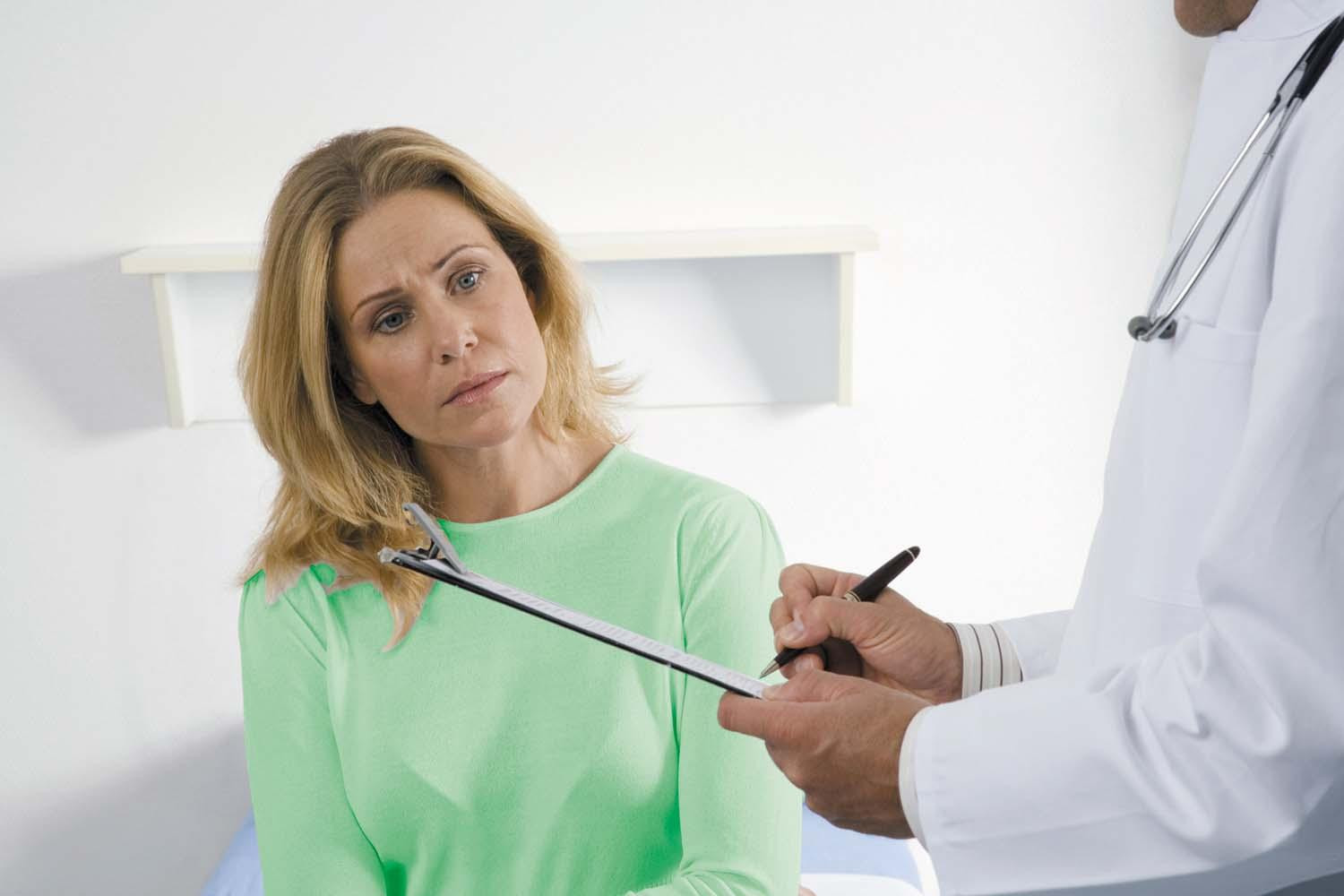
Second-guessing symptoms
While many health symptoms resolve quickly on their own, others linger and make people wonder if they need to see a doctor. Symptoms that warrant a doctor's visit include drawn-out cold symptoms such as fatigue, cough, and low-grade fever; a fever lasting more than four days; unexpected symptoms when starting a new medication or after surgery; certain digestive problems; and new or worsening mental health issues.
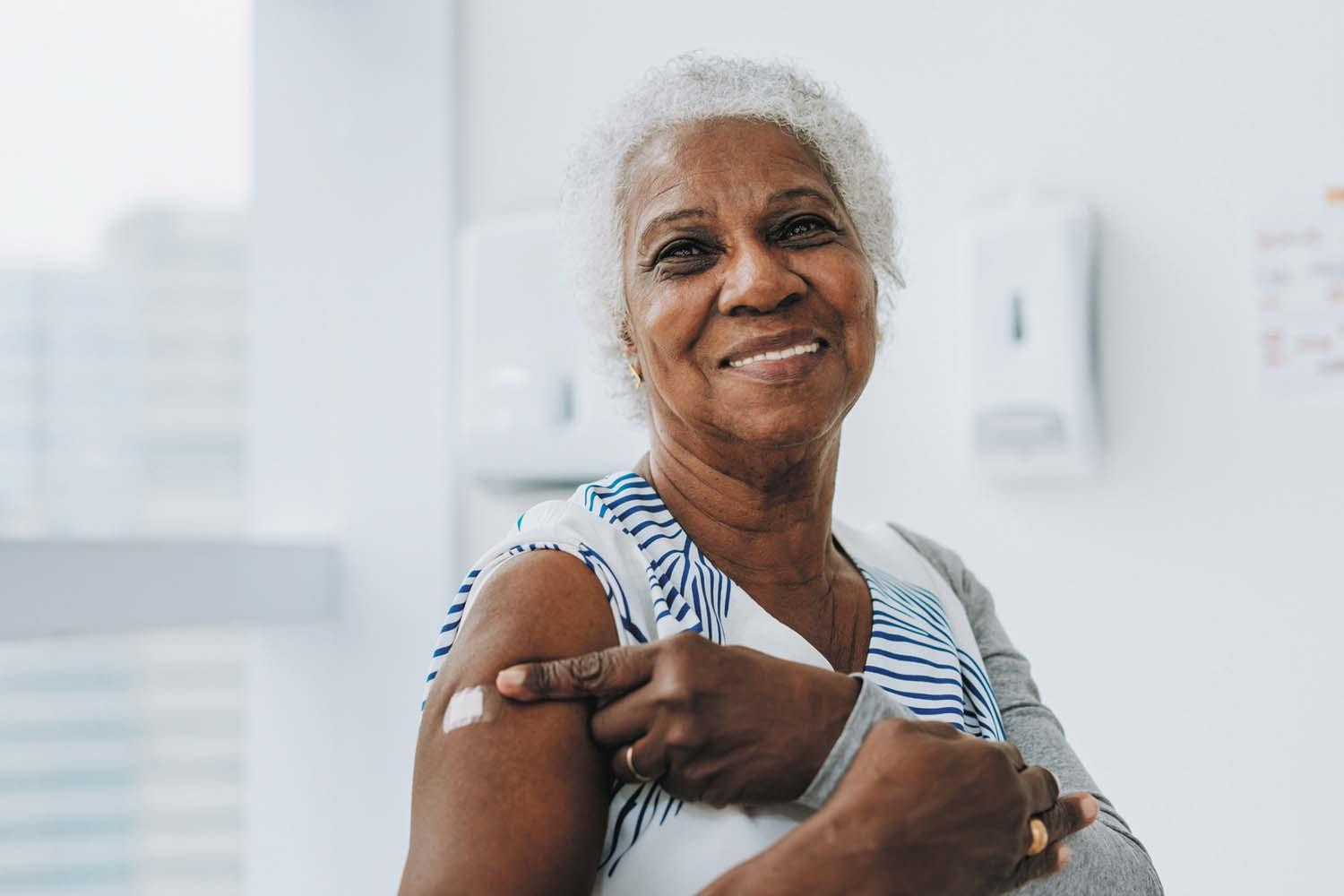
Shingles vaccine may protect against dementia
A 2025 study suggested that getting the shingles vaccine can significantly reduce the likelihood of developing dementia, especially among women.

The simple memory and attention booster you can do anywhere for free
Mindfulness might help improve attention and memory. Mindfulness is the practice of focusing on the present moment, including thoughts, feelings, and all information coming in from the senses, such as sights, sounds, and smells. Many studies have shown that mindfulness helps people improve well-being, concentrate, engage more effectively in daily activities, and pay more attention. Attention is the most crucial factor when it comes to memory; whatever someone pays attention to is what he or she remembers.

Can A.I. help us find a dementia cure?
Doctors are optimistic that artificial intelligence (A.I.) will one day play a role in curing and preventing Alzheimer's disease. One example of A.I.'s application is its use in helping scientists learn how certain molecules might cause Alzheimer's.
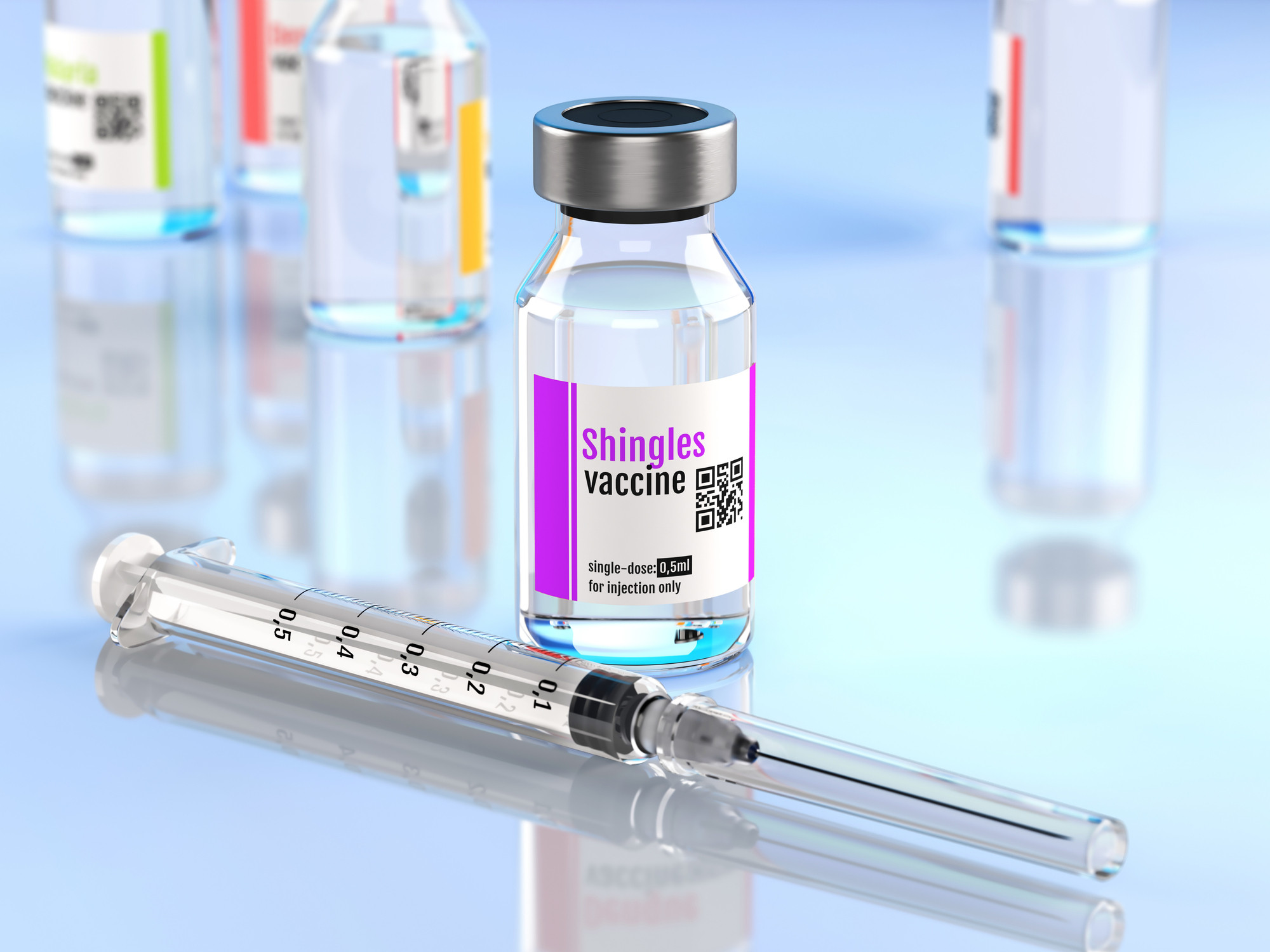
Does this vaccine ward off dementia?
A 2025 study found that the shingles vaccine reduced the risk of developing dementia by 20%. The study supports (but doesn't absolutely prove) the theory that infections may be one cause of Alzheimer's disease and possibly other forms of dementia.

Chronic stress may raise women's stroke risk
A 2025 study found that chronic stress is associated with higher stroke risks among women under 50, but not in men.

Sleeping better when you have pain
Approximately 50 million adults experience some daily pain. These people usually encounter fluctuations in pain during the day, but in many cases, the pain worsens at night, disrupting sleep. Many strategies can be adopted to prevent and manage nighttime pain, such as doing a pre-bedroom relaxation routine, creating a healthy sleep environment, reframing negative thinking, changing sleeping positions, and using supportive pillows.
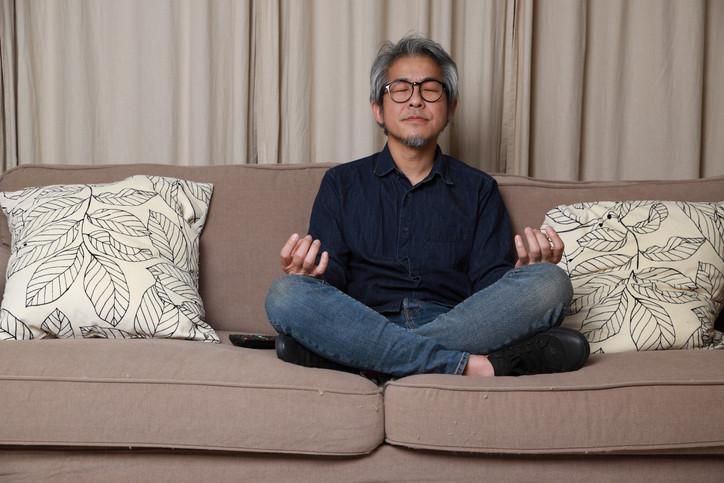

Cold plunges: Healthy or harmful for your heart?
The purported health benefits of cold plunges include less stress, better sleep, and enhanced immunity, but the evidence is thin. While the practice may ease muscle soreness after intense exercise, it may have detrimental effects on gains in muscle power and strength. Because the shock of cold water on the skin can raise heart rate and blood pressure, people with cardiovascular disease (especially heart rhythm abnormalities) should avoid the practice.
Naturally gluten-free foods
Harvard study: Healthier fats linked to longer life after prostate cancer diagnosis
Shingrix shingles vaccine linked with lower heart disease risks
Estrogen-only hormone therapy tied to lower dementia risk
Should you have a hysterectomy?
Stair climbing may significantly lower cardiovascular risks
Why do I sweat so much?
Walking pneumonia: The "mild" illness that can still pack a punch
What causes knee pain: How doctors make a diagnosis
Where you carry excess weight matters in predicting heart disease risk
Free Healthbeat Signup
Get the latest in health news delivered to your inbox!
Sign Up
