Why testosterone levels drop and when to consider treatment
Here's how boosting abnormally low levels of the hormone can reverse troubling symptoms as men age.
- Reviewed by Howard E. LeWine, MD, Chief Medical Editor, Harvard Health Publishing; Editorial Advisory Board Member, Harvard Health Publishing

When most boys transition through puberty, they can credit an increase in the male sex hormone testosterone for their lower voices, hairier bodies, amplified sex drive, sperm production, and more - just in time to make them feel gangly and awkward.
As men mature into middle age, testosterone levels start to fall. They usually stay within the normal range. But sometimes they take a nosedive, reversing adolescent gains.
Symptoms of low testosterone include a drop in libido, erectile dysfunction, reduced muscle mass and bone strength, decreased energy, disturbed sleep, and low mood.
Testosterone testing
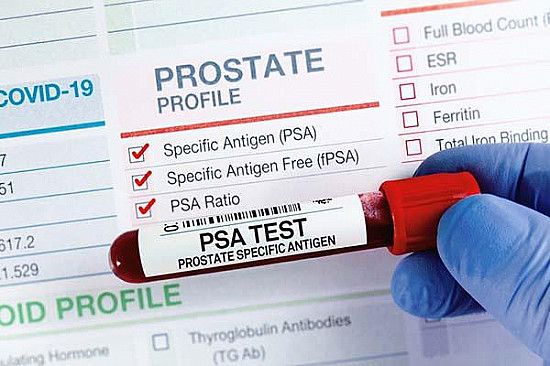
Testosterone is produced by the testes (the male sex glands) and to a smaller extent by the adrenal gland, explains Dr. Shalender Bhasin, professor of medicine at Harvard Medical School and an endocrinologist at Harvard-affiliated Brigham and Women's Hospital. Testosterone deficiency is diagnosed, he says, when testosterone levels dip below 300 nanograms per deciliter, measured by two fasting blood tests two days apart.
"Measurement of testosterone levels is step one," Dr. Bhasin says. "Once you've shown that testosterone levels are low, you need additional tests to find out why."
There may be a specific reason for the low testosterone level. Examples include use of drugs like opioids, prednisone and other corticosteroids, or anabolic steroids; injury to the testes; an underactive thyroid gland (hypothyroidism); a sleep disorder such as sleep apnea; or a condition that affects the brain's pituitary gland, which sends signals from the brain to the testes to stimulate testosterone production.
What causes a decline
Testosterone levels dip with age for a variety of reasons, including a reduction in the quantity of testosterone-producing cells in the testes. Two common conditions - obesity (especially the type marked by increased fat in the abdomen) and diabetes - also play important roles in driving down testosterone levels, Dr. Bhasin says.
Obesity can lead to lower testosterone levels because of decreased production of a pituitary hormone that stimulates the testes and increased conversion of some testosterone to a female sex hormone called estradiol. The insulin resistance in type 2 diabetes and associated metabolic problems reduce testosterone. In a vicious circle, those lower testosterone levels then lead to more insulin resistance and higher blood sugar.
Benefits and risks of hormone therapy
Testosterone replacement therapy (TRT) can help reverse the ill effects of testosterone loss. Research shows that it's generally safe and effective in men who have been diagnosed with testosterone deficiency.
For many years, there was concern that testosterone therapy might raise the risk of cardiovascular crises such as heart attack and stroke. A major study, the TRAVERSE trial, demonstrated that this risk was overstated. (Dr. Bhasin was one of the study's principal investigators.) Still, in some men, TRT can raise blood pressure.
Men with certain conditions should not use TRT; these include prostate cancer, male breast cancer, and very high red blood cell counts (polycythemia). Men with severe sleep apnea should be using a CPAP machine or getting other treatment while on TRT. If you've recently had a heart attack or stroke, your doctor may want to defer="defer" starting TRT for several months.
However, for most men with testosterone deficiency, the benefits outweigh the risks, according to Dr. Bhasin.
Ways to take testosterone
Testosterone treatment comes in several forms. You can get an injection into a muscle every one to four weeks. Other approaches include gels, creams, or patches you apply to the skin, pellet implants that a doctor inserts under the skin, and testosterone pills. Your doctor will monitor your dose to ensure you're getting enough to be effective without causing problems.
How long will it take until you feel better? "Some people will feel improvements to their mood and libido within a matter of weeks," Dr. Bhasin says. "Effects on muscle mass can take eight to 12 weeks. Effects on body fat can take even longer, up to six months. Effects on bone may not be detectable for a year or two."
Pluses and minuses of testosterone treatmentShots, gels, creams, patches, pellets, capsules: each approach to testosterone replacement therapy (TRT) has its pros and cons. For example, testosterone taken as a shot every one to four weeks is available to the body immediately, and the dosing is predictable, says Dr. Shalender Bhasin, an endocrinologist at Harvard-affiliated Brigham and Women's Hospital. But some men don't like getting shots. For them, there are alternatives, but even those have upsides and downsides. "Gels are easy to apply to the skin," says Dr. Bhasin, "but the levels tend to be more variable." You'll need several lab tests to determine the dosage that's right for you. "Oral dosing is convenient, but the capsules need to be taken twice a day with a fatty meal. All these approaches are well approved and effective, but it's important to measure the blood levels and look at your body's response to find the right dose." Costs for these products can vary. Using just one practice as an example, injections can range from $30 to $100 per injection; gels or creams, $200 to $500 per month; patches, $300 to $600. Most insurance plans, including Medicare, cover TRT if it's medically necessary, but there may be out-of-pocket costs. Online pharmacy prices might be lower - $28 for monthly injections, $60 a month for lozenges that dissolve in the mouth, or $60 a month for creams, for example - but these could also require a monthly membership fee. |
Next steps
If you are middle-aged or older and you experience testosterone deficiency symptoms, talk to your clinician. If you have verified low testosterone levels together with testosterone deficiency symptoms, you might be a candidate for TRT.
Image: © Westend61/Getty Images
About the Author

Jeff Meade, Health Writer
About the Reviewer

Howard E. LeWine, MD, Chief Medical Editor, Harvard Health Publishing; Editorial Advisory Board Member, Harvard Health Publishing
Disclaimer:
As a service to our readers, Harvard Health Publishing provides access to our library of archived content. Please note the date of last review or update on all articles.
No content on this site, regardless of date, should ever be used as a substitute for direct medical advice from your doctor or other qualified clinician.