Women's unique risks for heart disease
Differences in hormones, anatomy, and other factors may explain the often-overlooked contributors to cardiovascular disease in women.
- Reviewed by Nandita S. Scott, MD, Contributor
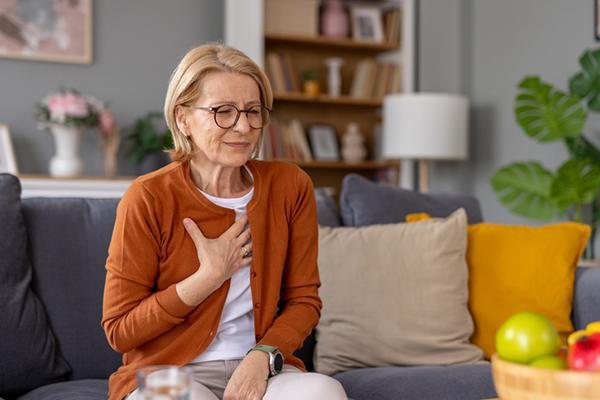
Only about half of women in the United States recognize that heart disease is their leading cause of death, despite longstanding nationwide campaigns to raise awareness about this fact. Currently, about half of adult women in this country have some form of cardiovascular disease — a figure that’s projected to rise in coming decades.
Classic risk factors for heart disease — high blood pressure, high cholesterol, obesity, and diabetes — are important contributors. But women should also be aware of their unique, sex-specific risks, according to a research review in the March 2026 issue of Atherosclerosis.
These factors are often overlooked by both physicians and patients, in part because women were long underrepresented in clinical trials for cardiovascular disease, which delayed the discovery of these risks. Despite recent improvements, disparities remain. “We’re still behind in developing targeted strategies to prevent and treat heart disease in women,” says Harvard cardiologist Dr. Nandita Scott, Ellertson Family Chair in Cardiovascular Medicine at Massachusetts General Hospital.
Important under-recognized risks
Many of women’s unique risks are related to reproduction, especially problems that arise during pregnancy. “There’s a long list of pregnancy complications that raise a woman’s risk of heart disease,” says Dr. Scott. They include diabetes or high blood pressure during pregnancy, giving birth before 37 weeks of pregnancy, and pregnancy loss.
Two conditions linked to hormone imbalances and infertility — polycystic ovary syndrome and endometriosis — are also associated with a higher prevalence of heart disease. So is premature menopause, which is defined as menopause that occurs before age 40. For some women, menopausal symptoms such as hot flashes and night sweats can be quite debilitating. Hormone therapy (estrogen alone or with progesterone) can ease those symptoms when taken in pill or patch form. But because of the possible cardiovascular harms from hormones, all women should talk to their doctors to understand their individual risks and benefits.
In addition, women are twice as likely as men to develop autoimmune diseases. Three of the most common — rheumatoid arthritis, lupus, and psoriatic arthritis — cause bodywide inflammation, which raises the risk of heart attack and stroke. Finally, certain cancer therapies — including those to treat breast cancer, the most common cancer in women — can raise cardiovascular risk. Chemotherapy and radiation to the chest can have adverse effects on the heart and blood vessels.
Heart attacks in women
Most heart attacks in both men and women occur when one of the main coronary arteries is narrowed by fatty plaque and becomes blocked by a piece of plaque or a blood clot. However, women’s hearts are on average smaller than men’s, as are their coronary arteries, notes Dr. Scott. A 2026 study by Harvard researchers found that while women tend to have smaller amounts of coronary plaque than men, those fatty deposits take up a larger fraction of their smaller arteries. Women’s heart risk rose when they had less plaque than men, which suggests that doctors may need to reconsider the plaque threshold that signals risk for women, says Dr. Scott.
Women are also more likely than men to have microvascular disease (which causes the heart’s tiniest vessels to malfunction) and coronary artery spasms, in which the arteries suddenly clamp down for brief periods. Both conditions limit blood flow to the heart, causing chest pain, breathlessness, and other heart-related symptoms (see “Heart attack symptoms: Women vs. men”).
Two other unusual conditions are far more common in women. Spontaneous coronary artery dissection (a tear in the wall of an artery) is the most common mechanism of heart attacks that occur soon after childbirth. And most cases of takotsubo syndrome (also known as “broken heart syndrome”) — a potentially serious condition triggered by stress that temporarily weakens the heart muscle — occur in postmenopausal women.
Heart attack symptoms: Women vs. menCampaigns to raise awareness of heart disease in women have often highlighted the fact that women may experience atypical heart attack symptoms more frequently than men. In reality, heart attack symptoms tend to be pretty similar among both sexes. The two most often reported symptoms (chest pain and sweating) are slightly more common in men, but women experience those symptoms nearly as often. And while other symptoms (such as nausea and vomiting and shortness of breath) tend to be more likely to occur in women, many men also have those symptoms. |
What you can do
Follow your doctor’s advice about managing your risk factors, especially your LDL (bad) cholesterol. “Many women mistakenly believe that having high HDL cholesterol protects against coronary artery disease, but it’s your LDL that really matters,” says Dr. Scott. Tell your doctor if you had any pregnancy-related complications, which may affect how you’re screened and treated for heart disease. If you’re concerned about any heart-related symptoms or your risk factors (including a family history of heart disease), seek out a physician who really listens to you, Dr. Scott advises.
Want to dig deeper? To learn more about women and heart disease, you can register for Massachusetts General Hospital’s ADVANCES Grand Rounds, which features free online lectures about women’s cardiovascular health from national experts.
Image: © Vladimir Vladimirov/Getty Images
About the Author

Julie Corliss, Executive Editor, Harvard Heart Letter
About the Reviewer

Nandita S. Scott, MD, Contributor
Disclaimer:
As a service to our readers, Harvard Health Publishing provides access to our library of archived content. Please note the date of last review or update on all articles.
No content on this site, regardless of date, should ever be used as a substitute for direct medical advice from your doctor or other qualified clinician.