Chronic kidney disease: A hidden threat to your heart
Most people with kidney disease don't know they have it. Two screening tests can tell you if you're at risk.
- Reviewed by John W. Ostrominski, MD, Contributor
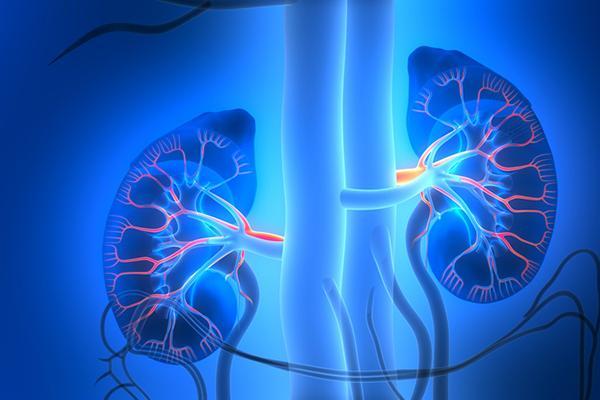
Nestled just below your ribcage on either side of your spine, your kidneys filter some 200 quarts of blood each day, removing waste and balancing fluid levels in your body. These fist-sized organs are more closely connected to your heart health than you might realize. Cardiologists are now calling for more attention to the kidney-heart connection and stressing the importance of early screening for chronic kidney disease.
"Chronic kidney disease affects about one in seven adults in the United States, but it often goes unnoticed," says Dr. John Ostrominski, a fellow in cardiovascular and obesity medicine at Harvard-affiliated Brigham and Women's Hospital. Historically, doctors have tended to put different organ systems into separate silos, he notes. But since 2023, the American Heart Association (AHA) has been highlighting a new term to underscore how these problems are all interconnected (see "What is cardiovascular-kidney-metabolic (CKM) syndrome?")
Two common conditions, diabetes and obesity, can impair metabolic health, which refers to how the body makes, uses, and stores energy. "These conditions, along with heart disease and kidney disease, have shared underlying drivers," says Dr. Ostrominski.
What is cardiovascular-kidney-metabolic (CKM) syndrome?This syndrome, which describes the interconnection between heart disease, kidney disease, and two common metabolic problems (obesity and diabetes), is classified in four stages:
|
What causes kidney disease?
With high blood pressure, the body tends to hold on to water and sodium, which puts added stress on the circulation inside the kidneys. Prolonged exposure to high blood sugar, as occurs in diabetes, causes tiny blood vessels (capillaries) within the kidneys to thicken, which can also impair kidney function. Other possible causes of kidney disease include cardiovascular disease, uncommon genetic conditions, and long-term use of high doses of nonsteroidal anti-inflammatory drugs (such as ibuprofen [Advil] and naproxen [Aleve]) or certain other drugs.
Detecting kidney problems
While many people know their cholesterol and blood pressure values, few are familiar with the tests used to assess kidney health. Two key screening tests measure different aspects of kidney health and function, says Dr. Ostrominski. Both rely on creatinine, a substance released from muscle cells into the bloodstream that's filtered by the kidneys into the urine.
Estimated glomerular filtration rate (eGFR). This value is based on the amount of creatinine in the blood, which is then adjusted for age and sex. A result of 90 or higher is considered normal; 60 to 89 could indicate early kidney disease; and less than 60 is a sign that the kidneys are not working properly.
Urine albumin-to-creatinine ratio (UACR). This ratio compares the amount of albumin (a protein) and creatinine detected in the urine. A UACR above 30 milligrams per gram (mg/g) may suggest kidney damage.
Your latest eGFR may already be in your medical records if you've had either a basic or comprehensive metabolic panel. Doctors often order these blood tests at routine annual exams to check creatinine and various other substances such as glucose (sugar), sodium, and other minerals.
UACR testing isn't as common, although an ad campaign that ran during the 2026 Super Bowl may have raised public awareness of the test. "Shining a spotlight on this test is important," says Dr. Ostrominski. An elevated UACR value isn't just a marker for kidney disease, it's also a sign that your heart health could be at risk, he adds.
A low eGFR and an a high UACR are both strongly linked with a higher risk of heart attacks, strokes, heart failure, and other heart problems. That's why the AHA's latest formula for estimating heart disease risk, based on what's known as the PREVENT equation (short for "predicting risk of cardiovascular disease events"), takes the results from both kidney tests into account. All adults concerned about their cardiovascular health - especially those with diabetes or high blood pressure - should ask their doctor about eGFR and UACR testing, says Dr. Ostrominski.
Image: © magicmine/Getty Images
About the Author

Julie Corliss, Executive Editor, Harvard Heart Letter
About the Reviewer

John W. Ostrominski, MD, Contributor
Disclaimer:
As a service to our readers, Harvard Health Publishing provides access to our library of archived content. Please note the date of last review or update on all articles.
No content on this site, regardless of date, should ever be used as a substitute for direct medical advice from your doctor or other qualified clinician.